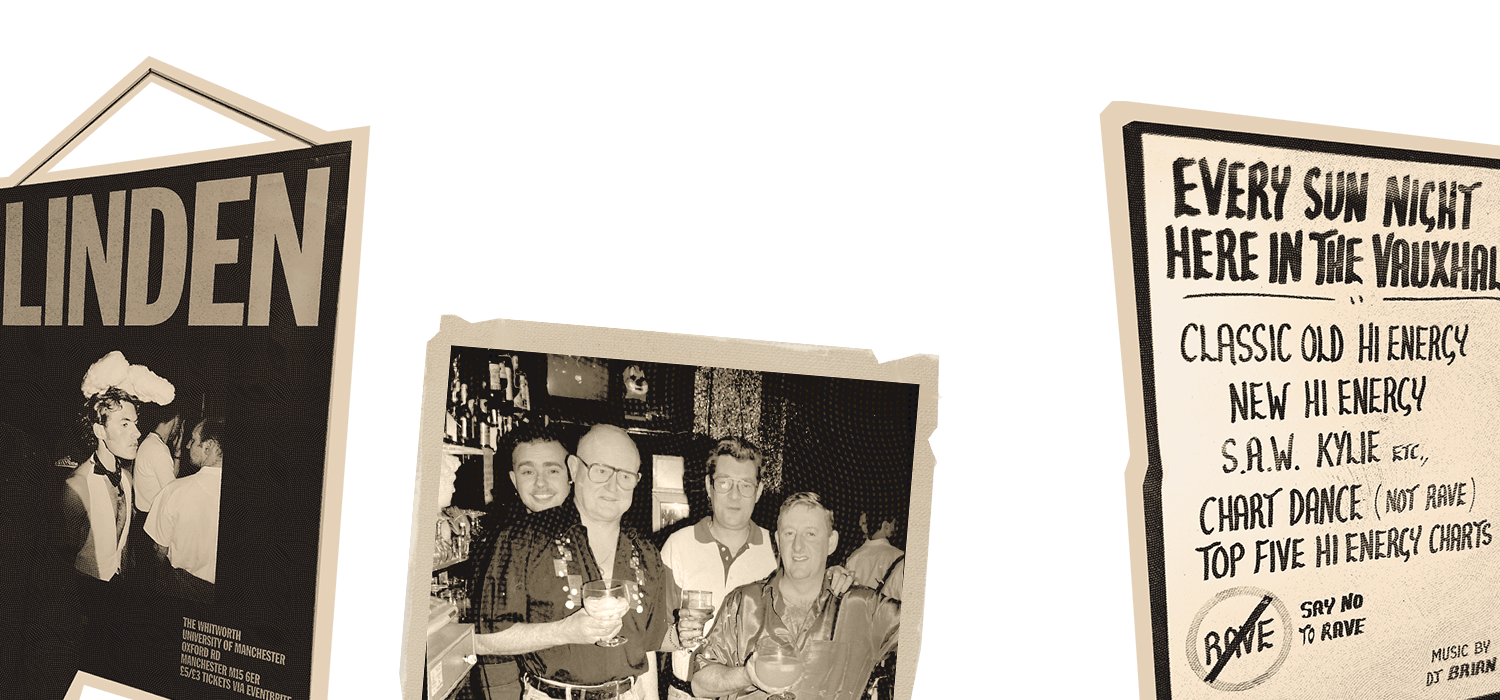
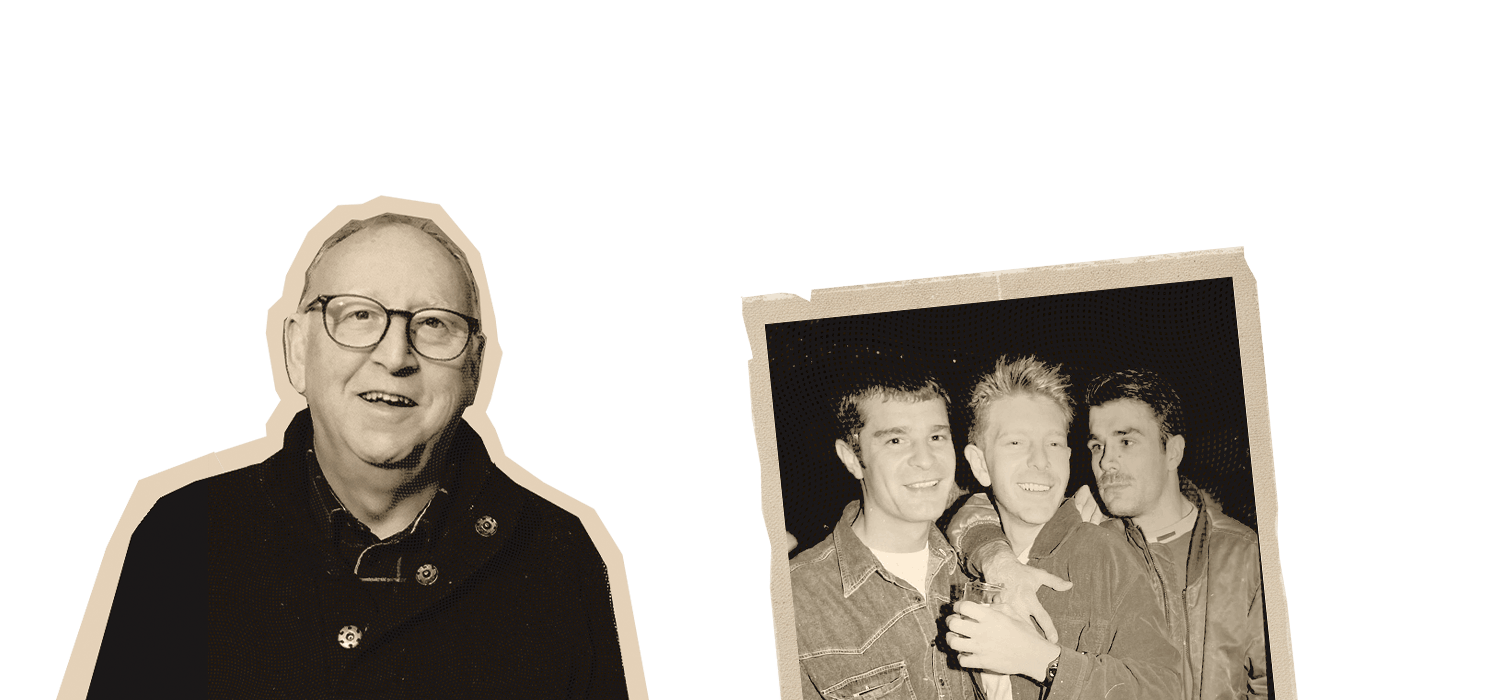
So I’m in Harrogate recording Stuart aka Linden and it is the it’s October the 27th and I’m in there flat and yeah I’m looking forward to hearing what you’re gonna sell us. So Stuart start from the very beginning, the very start, the very start of Linden. Of you? Of me? Yeah, where were you born? Oh I’m originally from Halifax in West Yorkshire and but I left there when I was 16. I finished school on the Friday, packed my bags and moved to Weatherby and started work as an apprentice chef on the Monday morning and that was me left home and I’m starting a career as learning to be a chef. When was that what year? 1973, so long ago, so long ago and then I moved to Harrogate, switched jobs, moved to Harrogate, came to Kim, worked in a hotel here and then moved into my first management position wearing a posh shirt and tie like you do and that’s a kind of friend of my was a woodwork teacher in the grammar school and I was told to him about career moves and where to go next and he suggested that I would make a very good teacher. So I said well I’m not averse to that as an idea you know and then a teaching position came up and here in Harrogate. He said apply for it, apply for it, you know, so he said you won’t get it because it’s a weird interview so so I applied for it and I was shocked myself by getting an interview and so I came for the interview and I got the job and that shocked my friend because not a lot of people get the job on their first interview so and that led to best part of 30 years, career teaching, finishing up teaching at Leeds Beckett University for the last 10, 12 years of teaching life. Teaching what? By then I was teaching corporate events, corporate management still on the hospitality thing but yeah that was that was I enjoyed it it was great for me but the interesting thing was that the side of that I was doing doing the Linden photography and that was looking back at it now it was madness. It was it was I made it wasn’t every night you know you’re talking one night a week maybe sometimes two nights a week depending on what was going on certain times of the year were busier than others and I would finish finish work and while my colleagues all knew that this was the interesting part because I used to take the mic out of them going home to play with the train sets or do the gardening or do whatever the wife told them to do and I was going home and I had lodges there at this big Victorian house and it was full of LGBT lodges and it was it was I felt like Mrs. Madrigal you know we cut we thought we called this was I think it was like three gay houses on the street we called it Barbara Lane and I was Mrs. Madrigal for some reason I still get Mother’s Day cards to this day from some of them and I used to get them in they said right who’s coming to who’s coming to Hall tonight you know who’s coming to Manchester who’s going wherever we were going and I would fill the car with these with these lodges awesome all other friends and the cameras loaded checked all the batteries make sure everything’s ticketed to boo and then we’d head off into the night drive all the way off to wherever we were going and they’d go into it with rock up you know a club I mean the best ones were like New Year’s Eve you know when people are paying a fortune to get into a nightclub and I rock up with four friends and they know we’re coming it’s pretty well and and and in we march for free you know oh I can’t think I believe I’ve got them into the New Year’s Eve into into Vegas or somewhere somewhere flesh or something for free and it’s like oh this is fantastic and I wouldn’t see them again until it’s time to come home and I had to hurt them together like cats to get them back in the car to go home but I would go out and do my photography and of course it was all on 35 mill film and the worst ones were when I was photographing for gay times rather than all points north all points north was straightforward I’d just go into the office the next day on the day after because it was a monthly magazine and we’d just get the pictures developed and it was all pre-computer so it was printing out of the prints cutting them to size physically with scissors and gluing them onto boards for the boards then to go to the printers to get printed the gay times was different that was that was on on slide film and that said I had to stop at the railway station put the stuff in jiffy bags and send it off to London before I could go home so we get back at three two three four o’clock in the morning I’d have to go to the railway station put the stuff in jiffy bags sign all the paperwork send the off then I could drive home get to bed for maybe five five o’clock and then I’d be up and up at seven or half seven to get showered dressed and sorted out and then be in a classroom teaching at nine o’clock so you can imagine I was you know working on reserve power they definitely match things holding up the hours and sometimes the students did get the short the grumpy version of me rather rather than you know there was two says was the nice me and the grumpy me and then you have been out for the night because it was the grumpy me and then I would get home from a day’s teaching and I have to sit down at the desk and find a quarter inch floppy disk dial up modem write the review and email it in you can imagine how long that took so this would be what year did you start doing the work 19 so I think my first review was funnily enough wasn’t for all points off her first review was from magazine in Manchester called Seed Out and they had a competition and I entered it and you to write a review of your hometown and put with photographs I got second place which was asked to write more articles so I did and then a friend of mine called Terry George he learned a big month like called Confetes in Leeds which was probably one of the biggest clubs in the north at the time outside of Manchester and Birmingham and he knew that I was doing this and like to take pictures and said you said you like taking pictures do you want to be our scene review of this new magazine I’m starting so that’s all what’s in it for me you know it was my favorite phrase at the time what’s in it for me and so we struck a deal and I and I right place right time became the scene reviewer and but my problem was we had section 28 which banned the promotion of homosexuality and education but was so loosely word and nobody knew what it meant just don’t say gay it was but was the bottom line so I sort of I realized I couldn’t write under my day-to-day teaching name because it would conflict with my day job my middle name is Linden so we used Linden just pure a simple Linden and we had suddenly this page was created it was called Out and About with Linden and that’s that’s how he came to fruition or I came to this alter ego and the next thing I’m I’m basing off all over the country for either going to like Birmingham or Manchester and spending the entire weekend there doing every bar clubs or a shop it was hard hard-graft you know hard-graft and then coming home and writing a big review and listing all the venues and where there were the addresses were opening times all that sort of thing and and writing a big review or I could end up in a one-horse town I could end up in in Bolton I went November Wednesday night with one pub called The Church taking a picture of six people and trying to make it look like 60 you know it was it was interesting it was interesting it was great fun to be honest it was great fun and so what as Linden what do you tell me about what you’ve amassed I guess as as the archive over the years yeah so so Linden went on I sort of started that was an 1889 scene out I remember that so 1990 91 was the first December 1990 was the first APN with George Michael on the front cover I remember that and I stopped doing APN 96 95 96 and that was because there was a shift in the music suddenly we’d gone from disco and high energy and leather harnesses to high energy house drug culture the cans of breaker and red stripe had disappeared and being replaced by bottles of water and powder up your nose and I felt the complete disconnect it wasn’t my scene so I decided it was time to step away from that but by then I was also photographing for gay times they were sending me up on different projects they were sending me off to Budapest and Copenhagen and things like that to cover their scene scenes and it was a different a different approach so I enjoyed doing that that was more me than and I was still doing gay pride events and I remember going to photograph via foster as it was called that in Manchester, Kenna Street just now called via but that was interesting because it was pre-opening and it was daytime and I was photographing the architecture of the interior rather than the people whereas up until then I’d spent years honing photographing people getting closer onto the dance floor so over a decade I’ve collected a massive work that I kept the negatives apart from the gay times stuff that was all in London so I’d kept all the all points north negatives and it’s the body of work is quite interesting because it’s almost like it’s a social documentary commentary or whatever you ought to call it of of people living their best life my ream it was to take pictures of people having a great time it wasn’t it wasn’t overtly overtly political it was go and take pictures of people having a great time and write a nice review there was a borderline between writing a nice review and writing advertorial I always tried to stay away from advertorial and write more of the truth and it cost me a few times so I remember getting into great trouble with Sheffield because I went and did a review in Sheffield and there was one pub and it stood on its own and all the buildings around it had been demolished and I remember writing in the reviewer it was it was a bad night you know inside it wasn’t a very you know things weren’t right and I remember using the phrase that this this pub was stood in what looked like the middle of a post-atomic Hiroshima and it didn’t go down well with the people of Sheffield and we got letters but we published the letters and we published replies to them as well about well do you want advertorial and make things look glossy or do you want the truth because our readers want the truth them when they go somewhere they really want to know what it’s like so it was you know and sometimes you got letters saying how wonderful it was and yes we we went where you said and it was exactly and it was perfect for us so it it created this I don’t know whether you call it gay tourism or what but it created people moving around going for weekends to different towns to go to different bars but the archive itself you know I’ve got all the reviews that are wrote and this this quite they’re they’re making interesting reading on their own because they give you yeah you’ve got a visual representation from the photographs of what towns looked like and bars looked like and more importantly the people looked like what they were wearing the fashions the fashion faux pass you know it’s everything’s in there what’s and all but then you can put the commentary with them by going to the reviews and looking at what I wrote and I always tried to write with a bit of humor I was used to write a bit tongue in cheek so there’s quite a bit of loosely worded common it could loosely call it comedy you know but it seems to have stood the test of time people seem to like it and then can you tell me something about whole yeah so I went to whole I think three times 92 93 94 I think it was off the top of my head and whole it’s out on a limb isn’t it you know sadly geographically it’s you know it’s it’s like it’s like going to East Anglia it’s one road in and one road out you know it’s on a on a far-flung corner of the earth but I always had a soft spot for all I like I had some fun in whole she was saying and we’ll leave that one there and the number one venue for me was was the voxel tavern that was that was just such a great part tonight you know the DJ was found it was great phone that was just so much there was such a great atmosphere in that place and I got some great photographs and then was the Alexander Alexandria I think was the other one so those were the the main two there were other venues in whole like the polar bear club which I never actually got to but you know it was it whole was one of those you didn’t you didn’t stay overnight not there was only thing wrong this whole stay overnight but it was a case of that was one of the ones it was close and just close enough for me to go do the review and scuttle home again get bleary I get into the classroom the next morning now but so whole whole was was an interesting was an interesting town the it was friendly I remember that very much about whole it was really friendly town even you know strangers come to town it wasn’t you know the heads didn’t spin and go who’s this stranger coming in you know it was really quite welcoming was like oh thank God there’s some fresh people coming in you know fresh meat so what we used to say and then do you remember what do you remember can you have you got any specific memories of being in of a voxel or who might have been in there or tell us about the photographs that you’ve taken like you know those photographs it’s yeah I think there’s this one with that’s got the that’s posted in the background about trips to black pool see the black pool luminescence there’s something like that rings a belly what in one of them there’s the the drag act the entertainment that’s quite interesting yeah it’s difficult to pull them pull them individual photos do you mind because there’s that many you know so what was it about whole that was because obviously you were traveling all across the north I mean your photo your remit was the north so I guess I’m interested to know about it in relation to other cities so what was happening in whole was doing its thing with voxel and Alexandra and bits of nights at silhouette and stuff like that was welcoming and friendly how could you notice anything different or particular about yeah I think I think it was whole was the gay scene in whole at the time was was in the ascendancy I think it was growing it was becoming more which is what attracted I think the attention of all points north in particular that there was there was something going on in whole what’s happening over there Leeds was taking off as well that was that was that was that was so all the gay scenes across the country and particularly in the north were expanding in the early 90s something happened socially there was a social acceptance of the gay queer community which was being recognized and that was it’s something that’s that the clever people that me have written about and explored about being on the back of the AIDS epidemic and because we were in the news so much suddenly people were being more acceptable and tolerant or the hate that word tolerant but being acceptable and recognizing that we exist and what’s wrong with this existing and so there was that shift and Manchester of course was going through the roof Liverpool was was getting new clubs and things like garlands escape Manchester was getting flesh paradise factory Birmingham was getting there were much more adventurous with club names monthly club names in the 90s you’d got flesh and peach in Manchester you’d got the weirdly end confettis in in Leeds and you’d got escape in Liverpool Birmingham I went the furthest and the best one with rim which I always just thought are you going to rim tonight and I was like I’m sorry you mean the club you know and you know they wouldn’t get away without today they just think I’m sorry go to where so it was and I liked to I liked in my mind I always say then the early 90s the whole included but it was it was it was a little bit behind but it was it was happening these that it was like the gay scene in the north came out of the closet worry a year two years behind London but it was happening and the money was coming in because the the breweries had discovered a big business had discovered the power of the pink pound and that these these single people you know the dinkest dual income no kids they saw people they got all this money to spend so suddenly we shifted from sticky carpets and ripped seats and shearly pubs in corners dimly lit to these glossy new new bars money being put into refurbish and pride events happening suddenly suddenly we’re on the streets and we’re marching and we’re having these big pride events and and it’s like what it was an explosion it’s sort of being about it’s like the gay scene came out of the closet on on literally onto the streets particularly in the gear capitals like Manchester and Birmingham I say I always say yes you’ve got London and you’ve got Brighton but you’d also got Birmingham which was huge huge and Manchester those were those were your your biggies I mean Birmingham they had a pride event once they called it five days of fun and it was run like it’s a knockout over five days that had a five day pride it was incredible and the weather was good for them as well I was there I remember I was exhausted but it was a time when we were becoming more socially integrate not integrated but not accepted because I don’t like either don’t like certainly don’t like this accepted market but people are going so what the gay so what leave them alone you know that all right what’s wrong with it you know so there was that transition in the 90s but whole I think I don’t think about Manchester and even Liverpool and Birmingham people could travel from any direction you know it’s like it was like the center of a star a galaxy the big and that Manchester was the star people would bus in traveling from all over the country the whole because geographically where it was people’s harder it was harder people didn’t tend to do that and it was you know going from whole to anywhere and likewise people coming from other parts of the country to go to whole for a night out was a major undertaking you know so I think whole suffered just because of geography and do you remember I mean I guess the quest I want to ask is how did you get into photography in the first place like what suddenly that’s the first question you know like you would teach you were interested in catering and hospitality and suddenly you’re documenting the gay square scene I always had an interesting photography from a young age and it was more about I was always a people watcher I like you know just looking at people and what they’re up to and you know how they interacting and then the next thing I knew I’m sort of picking up my little little little instamatic camera and just capturing real life moments as they happened just instinct I think even now even though I’m not really I’m not really publishing any new material I’m still photographing I’m doing a lot of street photography and because it’s it’s almost I’ve gone back to where I started just photographing everyday people doing everyday things you know even when I was a kid and you know like you’re in the scouts you go scout camp I was the one with the camera photographing what everybody was up to what what were they doing you know and I’m still doing it you know this I was in Paris in the week and there was this little old lady she just I mean this with the rinkle and stockings a bit bit more about it little wrinkle old lady sat there she was as rindled as the stockings actually and the little cap on them everything and she’s just sat on the pavement outside a cafe smoking a cigarette and having a little drink I couldn’t resist it I’m just touching a click click click click click as I walked past you know and an old gentleman in Prague for your months back so dapper really this amazing coat this great hat but he was older and stooped and that is just a picture I cannot resist and then I was in Manchester this weekend I was at the with the art gallery and there’s a young member of staff and he’s sat in between two galleries on his stool and he’s got a book or a booklet or something in his hands but he sat there stooped over looking at this book and there was just something about the pose the position and the juxtaposition between these two galleries and he’s just sat there oblivious to this art around him that he’s seen so much you no longer sees it and it was just a great quick snap you know quick oh got you so I like capturing those and I think that’s where I started I was just you know and I was when I was 10 11 12 13 I’ve just got my first camera and I’m going oh yeah that’s interesting oh that’s interesting so I tend to take those photographs today I did photograph money just a day prior this year just to see what I was like I photographed it in 23 23 was the first time I photographed it since about 96 so that was quite interesting to look at the difference between the two I mean I’m suddenly struck as you’re talking about the idea that your photo you’re interested in photographing people that are overlooked or outside of or I don’t I’m not gonna use the word other but I wonder if that had was that did it feel important when you started to document the community by as Linden do you remember thinking I’m documenting this is an important thing to document or was it no not at all yeah so he was just doing it because you were interested in taking photographs somebody asked you yeah yes I wanted a good time yeah well when Terry started George who ran Confetti’s he decided he’d had enough of paying to advertise in other publications and he was gonna start his own and people could pay him and he asked me to be his scene review just because he knew I like to do the photographs and so I did and my remake was to to go out and take pictures of people having a good time did I realize what the importance of the photographs appearance of the photographs would take in later life no there was a point though subconsciously there was a point where I think there was about six months into the magazine when I remember it was all taken on 35 bill film and we didn’t use the negatives we used the prints so we used to get a five by seven prints done and the negatives were discarded literally on the floor stamped on and trod on and you know and binned and and something said to me you should keep those negatives I think primarily because we might want a reprint we might want to reuse photographs we should keep them so I kept so I started scooping them up and labeling them and then I put them into folders and kept them you know and I kept them all these years in the attic so I think subconsciously there was part of me that thought these might be of in these might be a needed for reprints and be there might be of interest in the future but it was more subconscious than conscious you know you don’t tell me there was a difference of I wasn’t sat there pompously thinking well these are going to be vital parts of queer history of the north of England in the decades to come you know I wasn’t I wasn’t like that it’s I think that’s something that’s just grown since Covid when when I rediscovered them and and scandalous more about that yes I’ve been yes so like we were all going insane locked in our homes during Covid I had a I had a flatbed scanner and my computer and I suddenly thought to myself I can’t watch anymore television I can’t read another book I’m going insane I should take to alcohol if I’m not careful you know I was really was just too much and then I remembered that in the attic with these albums of mechatives I’ll scan them so it took me a year to finish scanning from this there’s just short of 10,000 individual images some on multiples because you know when you when you’re photographing on a nightclub dance floor you it was filmed you couldn’t you couldn’t look at like now you look at the back of the go you know you’ve got the picture you didn’t know if you’ve got the pictures so you took multi-shot so you’d you’d take a burst of 10 10 pictures so I might you might be gliding across the dance floor and I’m going you know and I’d get and then one pray that one of them has got you not pulling a funny face and looking half-decent and that’s the one we’ll use you know so although this nearly 10,000 quite a lot of them are these burst shots but it took me in the past part of a year to scan them because it’s a more laborious process than we think because the scanner would only take eight images at a time and then you’ve got to you know it’s been I spent a while finding the right resolution because you can do them too big you can do too small to all of that and then you’ve got to I think I think each each negative took four minutes to from scanning to labeling and putting popping in a folder you know so it was it was laborious to say the least and interspersed with with the alcohol that sadly did creep in you know in between the dog going please I want to walk and cross-legged and then I thought well now I’ve scanned them what we’re going to do with them you know I’m not a techie person I only today this morning I had to go to the computer shop because I’d had to change a password which meant that my laptop was no longer talking to my phone and my iPad so I was like what have I done now and they had to completely delete my Gmail account and reinstall it you know and I’ve made a right pig zero of it so I’m not a techie person in the slightest I hate it I don’t want to know about it you know and which is hilarious considering they’re using digital photography I don’t do Photoshop or anything I’ve tried it I don’t like it I’m not going to do it and for me as well as a fine line between a photograph and a digital image you know you can see what the moment you start chopping things out and putting things in that is no longer a true photograph that I’m all for if you could do it in the darkroom like altering the light and the shade and things like that that’s fine but shopping the you know there’s a waste bin in the corner will cut that out no it’s part of the story you know it belongs there so I thought well I’ll create an Instagram account that’s the best I can do you know I don’t know how to do a website I’ve no interest in doing a website load the dirt dirt dirt Instagram so I set up Instagram and I thought a few people might like to see what they looked like in the 1990s you know look at my hair oh my god I had hair what and earth was I wearing you know those sorts of things and that’s the sort of feedback that came back and I remember dancing around the living room Giddy because I’ve got I’ve got a hundred followers I thought oh fancy that and the next thing I know it shut up to a thousand and I was like it’s going on it kept going up and up and up and then the people started messaging we wanted to the first guy was a guy called Joe Ingham and he wanted to interview me for Vice UK and online news arts news site thing and he asked me the question outright it said is there gonna be a book and I wouldn’t I would love to do a book but I wouldn’t know where to start it’s a little hide-ooh so we we together created the first book which is out about with Lyndon a queer archive of the north and we got that out and the interviews have kept coming and the numbers have kept growing and I think the last time I looked I think it’s over 14 and a half thousand followers and you know BBC one show was Hoot and Radio six with Lauren Laverne I remember doing that features in the attitude and various multiple other magazines I really enjoyed doing the book tours because we’re now on we’ve just had book two out this last year and I’ve enjoyed doing the book tours the sort of like we do that said book two is more like me with I go along I do a do an old-fashioned slide show you know projection on to wall round this picture here this tells you know and tell the stories behind bring them talk try and bring the pictures to life tell the stories what was going on what was happening around it what’s what’s going on so try and do that and they’ve been grateful up down the country from London up to the Lake District and I haven’t been to Hall there’s rooms come to Hall I’ve got I’ve got played I didn’t get to Newcastle either so that’s on my list but Manchester I don’t know I’m burning up so remiss isn’t it but I remember going to Nottingham I was mental it was 175 people turned up it was crazy and who are those people so I would say a quarter of them are people who are old enough to be in the pictures or know people in the pictures or are themselves in the pictures and the rest is never ceases to amaze me they’re younger people in their late teens early 20s early 30s who are fascinated by what life was like in the 1990s it’s almost like it’s the new 60s you know like the 1960s was in fashion for everybody and it’s the 1990s on the new 1960s and they come along and they are absolutely mesmerized about about stories of what it was like and what the bars were like and what was happening so that’s really interesting and then there’s there’s always a Q&A at the end and the questions can be quite fascinating the comments from people such as well the younger the older ones loved seeing themselves and you know oh I had that I had that jacket I had then I wore that t-shirt you know oh look at them I had them trainers you know oh I used to drink break you know you get so you get all them those sorts of comments and someone’s in some will sell so-and-so in that picture that was my best was one I think there was a fashion show photographed in Manchester for Clonesome and they were wearing these god awful the light wrestlers onesies but they were marketing these as underwear and they really should you know one of the fashion faux-pars of life and the guy came this guy came up to me to freeze book signing at the end and he went see that picture and I said that’s me there’s this guy and he started like they looked at the picture and looked at me and they didn’t they didn’t look like each other you know I was like is that really you that’s fantastic isn’t it you know I’m thinking you know and the ravages of time you know but it’s it’s amazing but the younger ones come because they want to hear those stories and compare them to what their lives are like now and I listened to them and their stories of how they feel that gay communities for them now and like I said they’re convinced that we had a better time that and that they seem to think it was less political but they don’t appreciate or not appreciates the wrong word they don’t grasp that it for it was a different time and we had different pressures we had we had the AIDS crisis the AIDS epidemic that we were we were dealing with we had section 28 that we were dealing with with police oppression in Manchester from the likes of some James Anderson the chief of police so that we did we had different pressures with we’re pushing for the age of consent to be moved to to 18 and then down to 16 you know with all these pressures coming through fighting for these things and all these fledgling pride events and push how far can we push things it was it was it was an it was a new era for the gay community and the younger people they were telling us telling me that for us for them our period felt less political which I didn’t agree with but for them that today was too political it was too divided because of all the different what they felt are different subgroups so they feel that their their gay life is being ruined by politics from within the community you know because you know we we were really really really fortunate because we we got what I considered to be the first in my lifetime positive symbol of gay community that was the rainbow flag Gilbert Baker’s rainbow flag before that I had I had the pink triangle associated with all the things it was associated with and I was expected to wear that I don’t think so and then the next the next symbol was the the Red Ribbon and all that that was associated with there was nothing positive or joyous about either of those and that was my adolescence and growing up as a gay gay young person and suddenly to receive the rainbow flag was a gift from God it was marvelous because I had something I could stand behind and say that is a positive image of of my of my life and now those young people are faced with a myriad of flags for different groups and I think that’s what they were the part of where their focus is about the division and politics that’s what they’re labeling us as politics and seeing as being well you have to be a member of that tribe I remember of that tribe I remember of that tribe well we we had our tribes but we were all gathered under the rainbow flag we you know you could go into we haven’t mentioned black pool you could go into the flamingos in black pool which was just the best you know for me it was it was one of the best but you would have trans people sat with people different ethnicities sat with lesbians sat with twinks sat with bears all in the same all sat around the same table and we the one thing we all had in common was we didn’t fit outside and that made us that made us one group you know you get picked on you get picked on you get picked on you get picked on that makes us one and I think that was the difference in the 90s you know that for me anyway that’s that might take on it and I mean I’m interested to think about well the same my other question was you was a younger person a younger gay man coming from the north and do you remember I mean clearly you were happy to go to these places and take photographs and you were out and you were part of the scene and everybody got to know it was you taking photographs do you remember do you remember facing any difficulties around taking those photographs or being no so I mean I was in the scene and from yes so outside the scene only trusted people knew that I was gay I wasn’t I wasn’t out you know I wasn’t shouting that I was gay from the rooftops I was it was trusted people knew I think it’s part of the way I grew up you know not working class family background I didn’t feel comfortable coming out you know the the rhetoric of of my own peer group and people about fags and you know in somebody when I was 16 17 if somebody used the word queer it was followed by a smack in the face so that was a different type I mean that’s a whole other conversation about the use of the term queer you know and younger people going we’ve reclaimed it you know my generation don’t know not for me I haven’t you know and so there’s a whole thing around that but within the gay community I remember the only time I ever faced in the adversity was actually from a straight Dorman you know it’s quite interesting isn’t it that we have a gay community that’s policed by heterosexuals on the door you know I always find that quite I mean quite an interesting thing that’s a straight person on the door of a gay venue telling you who can come in and who can’t he was there was a there was a nightclub in Manchester called Danceteria got it in open till 4am or is it 2am – 2am it opened and I went to photograph it opening night and there was a queue round the block and I thought this is a great photo great photo all these massive crowd so camera up flash on everything to the picture well this bouncer comes burling over shouting upset this is out me about this taking your picture look take my picture there but I stood by my car so I opened the boom put the camera in and shut the boom and I’ve got some on my posse with me so I wasn’t on my own and anyway I let him run from carrying on and eventually managed to calm him down and get to the nub of the matter was he was signing on and he thought I was from he was thought he thought I was DHS DHS and I was you know he’s gonna get docked in I said look I said you know I’m not this is what I’m doing you know from the gate for the day times do the da da da da I said all you have to say to me is please don’t use my photograph and your photograph won’t get used as simple as that so you calm down after that but he was after the camera and the film and everything so that’s the only time I ever met any adversity the worst adversity I ever met was in my final final four or five years of teaching in a university from the staff because it was homophobic big time and ended up going to HR and get them sacked and I just think I’ve gone all the way through teaching in FE with 16 year olds never had a problem gone through my life really with with apart from the odd faggot shout you know which never came to anything I’ve never been queer back to anything like that but really fortunate in that respect but to come up against homophobia and homophobic language directed at you in a university setting was quite was quite a shock twice it happened so yeah that was that was that was the only place I’ve ever meant counted it it meant in a situation where I felt really threatened sad very sad for a university and not from the students but from the staff so which makes me think that the body of work is deeply political and I know you didn’t set out to make a deeply political body of work but it now can’t be anything but in a way what do you want I mean I know this is an interesting point for you yeah I have been had a few events and exhibitions with with talks with student university students and other photographers and I always I always loved to hear and quite finally quite fascinating what other people read into my photographs in a way I like to sit back and let them read what they want into it and listen rather than chirping and say well this means this to me and that means that to me because everybody gets a different take something different from a story don’t they they can watch a movie or they can read a book and they all come away with with taking something different and I think it’s the same with the archive people and go into it they embrace it they look at it and they take something different away from it and some people do like to look at it more from more of a political stance and what it means and I see it more as a social commentary on a decade of LGBTQ history and how that it how it fared through that decade and you can call that political if you want but I don’t tend to delve into what do you mean by political with people and I let them I like to let people go with and you tell me what you mean by political what do you what are you taking from it you know so I’ve had some quite heated discussions with with other photographers around tables on it and I find it absolutely fascinating what people take out of it what I like is that people are engaging with it and people did you know one thing we’ve not discussed really and I think it brings in politics is the Instagram account itself because the magazines when the when the images first came out a one thing you’ve got the magazines with the review and you can put the two together to get a full picture the Instagram is just the photographs with a caption of a day at time and place there’s no back story to it there’s no where it was where it was there’s no well it was say Manchester 1992 Hacienda flesh or something like that and that’s it but there’s no other context that you would have got from the scene review well you’re getting a different context because the thing I go on Instagram I post a picture it’s gone I’ve let it out into the wild it’s there what I love is the commentary that comes underneath the photographs that I have no control over whatsoever people going on there and making comments about the photographs and the really beautiful thing is people refinding each other as well you know the people come on and go oh that’s so and so that’s Vivian I haven’t seen Vivian since since since 1989 you know and then someone go I know Vivian Vivian’s living in such and such a place I’ll put you in touch and then these people are and the conversations and they’re all there on Instagram it’s absolutely beautiful and you get the sad stories as well you know you get oh my god that’s Sansa who died you know there was there’s one person who was murdered and that was an interesting one because it was the first time I’d come across that and when when when you get something like there’s been a death particularly this one where there’s somebody being murdered it was turmoil of what do I do with the photograph and then I I know have a policy basically I just I’ll turn around and say right if a family member or partner comes to me and says oh please take it down it will come down no questions otherwise it stays and it stays because in my mind the day that person deserves their place in our history and just because something tragic has befallen them in a way they deserve to be there even more and and I think that’s an important part for me you know just because they’ve passed away or been tragically murdered doesn’t mean they should be removed quite the opposite so I think the archive the these two parts to it is the photographs and then the Instagram and then there’s the comment the social commentary of the of the public who are viewing them which are kind of fascinating yeah and it and it makes me think that obviously you were just taking you were going into a club or a bar or wherever and taking photographs of people and they were from appearing looking at the photographs most people look quite happy to be in photographs yeah it was a very different time there was none of this concept of consent that plagues plays us today there’d be an announcement when you you know if you were going to the voxel tablet in whole that be you know gay times are a photographing tonight if you don’t want to be a picture but we’re off somewhere else you know that was the that was the sentiment because the landlord wanted the publicity you know a feature in a gay magazine could lead to some new fresh faces coming over to Holland to his bar or you know so that was their their attitude the big the bigger clubs post post a couple of post-centraled of saying photography has taken place tonight for this magazine or whatever and if you don’t want to be in them keep out the way so that’s how consent was dealt with in those days but people wanted their pictures taking it really weird people taking pictures far yeah yeah yeah yeah maybe taking pictures far as they run the finger down your arms you know and look up take a picture with gay times or all punts north and they go oh gonna take my picture you know so there was all that sort of flirting and but but you know body language changes when there’s a camera pointed out yeah so there are there are there’s two types of photographs in my archive there’s the ones where they’re posed and they’re in groups you know that one horse pulled but the church in Bolton and then you get these two together are pretend you know each other or or you two pretend you don’t know each other do this do do do do and you try and get the pictures but my ultimate favorite favorite pictures are the ones where I’ve managed to get close up like on the dance floor or at the edge of the dance floor and just capturing people in complete for once in a better word gay abandon who are just away with the music and the moment and just leaning in a good poop and you’ve got the picture you know and then they’ve seen the flash go off on them now you’re gonna just tend to be a bit of a gay time is that all right they go yeah that’s fine great yeah yeah and the cost of beauty was they couldn’t come up to you with the camera like they’re doing now and go can I see the picture can I see the picture oh take it again take it again you know and in those days you couldn’t do that because it was fun but what was really fun was everybody was waiting for the magazine to come out I’m a unit you know I’m a unit I had my pictures taken I’m a unit I mean and you know oh I mean I mean I didn’t make it in you know but you know there was a there was a great joy and an excitement to waiting for the magazine to come out and it wasn’t instant you know people like to wait a month for the magazine or maybe even two months depending when I took the picture you know so there was there was that excitement for people as well and then the joy of taking the photographs I mean was the joy of being in those venues you were clearly shown good times oh yeah I had a great time yeah it was it was great when it was hard hard work tiring at times you know if you’ve got a heavy teaching load on in the day job certain times the euroviz were more hectic than others but you know the show must go on and now I had a great time I never one of the one of the codes of conduct one of the rules was you didn’t go expecting free drinks and to be treated so that was a no no you just didn’t do that you paid for everything particularly with gay times you paid for everything and you got receipts and you claimed your money back we weren’t in the market of by me dinner and free and give me free drink to me and my friends free drinks all that you’ll get a good review it wasn’t that that was that was well I’d have been finished if they felt I’ve been doing that the word would soon have got back so no it was it was never like that you did get the occasional free drink obviously you know it would be rude to turn it down he says but so purposefully going out and expecting them no so but you do have a you did have a good time and after you put that at the end of the night you know the common point in the night when you go right I’ve shot enough film and you could have gone on to to the death but you know when you when you’ve taken six rolls seven eight rolls of film you just go you know what they’re not going to pince they’re not going to prove six pictures I’m just wasting money people are looking past their best yeah people are eating their their makeup’s running all that you’re just looking a bit too the it’s an interesting point though because looking at the archive now there are photographs making onto the archive and onto instagram that would never have been published by gay times because they weren’t perfect imperfect in what way well no because they they wanted the perfect shot for the magazine so you know if you’ve got people on the dance floor going you know pulling a pose it needs to be a perfect photo so the looks got to be right the position is going to be right everything you’ve got to look at it and go yes that that you know you look at a picture and you can literally I call it the 10 second rule you can go no yes you know and you can just do that and then that’s really easily done but I’m putting pictures on the instagram I put one the other day of three three lads but Manchester Pride I think one’s in a sailor’s like a bit of a sailor’s outfit and you can you can you you’ve got a sense of the occasion but it’s completely blurred it’s you know the camera just wasn’t quite set right and they’re just it’s a blurred image you’re capturing but you’re capturing the movement you’re capturing the atmosphere and you’re looking at it today you go what a great picture but gay times are going to have Christ you know and so now you’re looking at photographs through different lens you’re judging them as a historical document in a way you know and pictures that you would have thrown away this is the one of the downsides of digital photography people are deleting imperfect photographs and I’m going down I always say it that the evenings with the talks I always say don’t delete the photographs and if you’re going to play around with them and give yourself fat lips and do all these other things keep the original so because when you look back at them in 10 20 30 and the rest years time they’ll take on a different meaning and a different different sense of occasion and that’s one of the beautiful things about the archive and can you remember like who did you mostly for who appears mostly in the photographs like what is the what is the main demographic that we’re seeing so being a hot blooded first-something male at the time obviously my my human nature and quite interesting I didn’t really think about it until I pulled up my camera obviously zoomed towards the the handsome young men of the day you know particularly if they got the shirts off but but you can look at the pictures from that then you know and they’re so funny because you look at them now and you go bless you shouldn’t take the shirt off you know we’re much more body conscious today aren’t we everybody’s down the gym everybody’s getting muscles and things and they didn’t then they didn’t care you know they thought they looked fantastic no matter what they were wearing you know what they what they actually looked like in we were like oh shirts came off and also clubs were hot and clubs were so hot there’s no air conditioning oh it was dripping absolutely dripping but no tattoos you look at the pictures you know people say to what’s it what is it about the about what’s in the pictures no it’s not what’s in them it’s what’s not in them tattoos piercings there’s cigarettes there there’s cans of red stripe and break there’s you know this just the difference between then and now when you look at them the fashions the haircuts you know all these sorts of things so there’s so many things depending on what what is it you’re looking for in this picture what’s why are you looking at this picture you know what is your purpose are you a fashion student are you a historian are you you know what what what is your why so depending on why you’re looking at the picture you see different things um so yeah i did you know when i look back through the archive but what i am quietly proud of is without realizing how did it i did take a good few a good number of photographs of lesbians i got for the time a good ethnic mix or you know it could have it could have been better but the 90s was a very different time we weren’t thinking about things like that you know and then i got pulled up by four older guys in flamingos in blackpool and they said it was a side-out i was walking passing you never take pictures of us do you we’re not oh you’re not young enough we’re not pretty enough and it made me stop and think and i got they’re right why am i not taking their pictures why am i only taking picture because my remit was to take pictures of pretty people having a good time well they’re pretty and they’re having a good time just because they’re in the 60s doesn’t mean i shouldn’t be taking their photos so i did start taking pictures of older gay people as well so when i look back through the archive now yeah it’s predominantly young young males sorry but there is also the others are in there and can be can be dragged out but also through conversation i think through this conversation what’s interesting well like anybody’s taking a photograph there’s lots of stuff around the photograph that’s being left out and yet if we’re not careful we read that body of work as a that’s just what it was it was only young people it was only young men having a great time in the 90s yeah but actually there was a the scene was much more diverse very diverse scene and thankfully particularly in the wider shots you see that you know when you look at the wider shots you can see that diversity on particularly on the dance floor you know so thank you and i think through doing the work around all that there’s this idea that in vox oil and alizan drawl of those it was a really diverse hugely diverse environment in that usually what can you remember anything um it was it was very uh i think it was predominantly from my recollection predominantly there was the the middle group of sort of in their 30s and 40s and we’re very quite plainly addressed um you’ve got a few of the older the older queens in the corner you know would come in and i mean they’re in their halves of bitter or whatever usually a whiskey or something you know something like that um and in their tweed jackets and you know just just you know they’ve come out in the best they’ve got a shirt and tie on you know and then you’ve got the young the young fillies coming in dressed to the nines you know like this like they should be in Manchester or you know somewhere like that but they haven’t got Manchester to go to but they’re getting dressed up anyway so and it was just this old-fashioned pub traditional pub you know with the flock wallpaper and the patent carpet environment and the gas fire in the corner that that sort of environment with a DJ and a little booth and this sign at the back saying poppers one pound a bottle you know uh sign up here for the black pool trip um you know black pool illumination or whatever or what drag show was going to be on or what you know so that the glimpses of those posters in the background and um the DJ’s there with a fagging out of his mouth with one ear one ear phone on and he’s giving it out you know um and it was it was a real eclectic mix of of fashion of demographic by age um gender you know it was you know and of course that the i always say that the the dreaded the dreaded black leather waistcoat or rubber waistcoat you know and it was like oh you know and they’d be appearing they were really popular with the lesbian community in the 90s you weren’t a real lesbian if you didn’t have a black leather waistcoat or a rubber one you know and but it’s when they’re paired it with things like claret red shirts that you see it’s just as good what some of you looked in the mirror you know and what might people be wearing what might the young fillers as you call would be wearing oh the young fillers will be actually white t-shirts and and jeans and boots you know and um that that was popular with the boys and the girls um and jelling experimenting with gel you know some sort of very interesting hairstyles very interesting indeed um color they were big into color they liked they liked colorful colorful garments they were like young peacocks that’s that’s strutting their stuff and that was specific to their do you remember it being no so everywhere same everywhere they you know you you would um all fashion was based on pop stars so all came out of out of fashion magazines and what were the pop stars wearing and then they would put their twist on it so you’ve got the tail end of things like bras you know all that all that so it was all influenced by that but they would come they would be having a great gay old time and they were drinking alka pops you know they were all the all the fashion men hooch and things like that was it white diamond or something yeah so they were all drinking that sort of stuff and getting off the tits it’s just a just a funniest time you know so you’ve got the old couple in the corner drinking whiskey you’ve got the 30 40 year olds who have tried to dress down a bit more casual but they’ll still be wearing a v-neck sweater you know and straight or gay okay yeah yeah because there is also a big conversation around these places being very mixed doesn’t it yeah i think there was i think not so much at the weekend i think they were much more gay at the weekend i think it’s straight community where it going you know the straight people would be doing it and predominantly straight men interestingly enough i don’t recall but was i wouldn’t i don’t recall but then again i wasn’t actively looking for any straight women sorry apologies that i wasn’t i was looking candy well as human nature i’m sorry you know it’s it was your job it was my job that was that was what i was there for um so yeah there was there was there was an element of straight people but i think there was less so at the weekends you know friday and satin at was was probably more gay than people can take and very busy packed absolutely packed particularly the alics when you came out of the the um voxel and you went next door to the alics that was you know for the later night and it was eaving eaving just to jump the story of the the the yeah so this uh three friends with me Kieran Edward and Nev around they were stood stood in a row and this this young boy young man went up to Nev and looked her up and down and went you know you’re you’re you’re single you know how about it you know and Nev was stood there i have to say in her white t-shirt if i remember out in her black leather waistcoat so let’s be fair with her with her very short haircut absolutely modified and offended because turn around to turn around to this your man and when i’m a girl i’m listening man when oh because he obviously thought she was a boy and so having said that to Nev she looked to her left where where Kieran was stood she went up to Kieran and she looked him up down she went what about you? Kieran lied and said and just looked at her with looks at this young lad with disgust of it and with someone and so right and then finally moved to Edward there was the end of the line and looked him up and down well well what about you? and Edward was absolutely what about a third choice? what? so you can imagine going home in the car so this this young lad went away with the fleas he was just like like i mean he was so drunk anyway i think or on something but he was he was out as one pound fifty and he was just like you know so he just went off in a huff but going home in the car was absolutely hilarious because Nev wouldn’t stop going on about him thinking she was a boy and said well you know Nev you are dressed you know should we look in the mirror wonder why he thought that you know and then poor Kieran’s just sat in between them chuckling away and i’m in the hysterics in the front seat and Edward’s going on and Edward’s a bit camp and he’s going i can’t believe i was third choice third choice what do they think i am? it was all the way home in the car was just absolutely you know one of those nights where i how i how i drove i don’t know tears rolling down my cheeks it was just a great night and do you and your friends still reminisce? yes yeah yeah they’re scattered to the four corners of of the country now but but we’re all we’re all still in touch and we still we’re still reminisce about key nights and key events they were just too funny too funny so my final question which is given everything you’ve said this afternoon and we’ve recorded and thinking back about these times and what you’re doing now which is amazing um what is what’s the main thing that you take from thinking about this work and life what is it well i sometimes pinch myself and wonder if i was actually there really you know it’s sort of um it’s not quite the 60s scenario if you can remember you weren’t there you know it’s not quite as bad as that but it’s it’s not long ago but it is a long time ago and it and the recollections are few and far you know they get fewer of the between them so you know things get mixed between your mind but um i set up set this up for out of boredom and because i thought some people might like to see what they look like it’s got a life of its own um outside of me which i love um we’ve got well i’ve managed to get two books out working on book three or about start work on book three should i say um so i just see just i just think i feel quietly proud you know the i’ve just given the archive away lock stock and barrel i’ve kept copyright obviously uh but uh the physical materials the negatives the magazines the articles they’ve all gone to Manchester to the John Ryland’s library for their archives and they will soon be available for public access for research and um the studying is such the such like so they’ll be there they’re safely they’re safely took away in the Ryland’s for future generations and that was important to me um because i just didn’t want them to end up in the skip when i pop my clogs you know when the family come along to clear everything out and go off old albums took them out you know that you when you go to charity shops and things and you see old photo albums found that and that’s somebody’s fine i thought um so i i’d rather like the fact that they’re took to weigh there for future generations and i like the fact that they took to weigh in the north of England where they were taken and you know as much as there are amazing places like the bishop gating London it’s London and these pictures are 99% taken in the north um and i think they should be accessible for people in the north to to study and research and and use for decades hopefully to come what’s next for me with this well i said book three um a movie with a mega movie um so uh 90-minute docket drama which will hopefully be out at the end of 26 so um yeah that that’s will hopefully be out the end of this of this next year yeah and um companion book to the film out in 2027 so yeah there’s a lot going on none of which i ever thought would happen i just thought a few people might like to see what they looked like on instagram i didn’t see myself on the bbc one show i didn’t see myself talking to the bbc radio i didn’t see myself in numerous magazines like the live at the newspapers like the live up pool echo or having a 10 page feature in attitude magazine you know there’s thing this is all just a little bit a little bit crazy but i’m enjoying it i’m enjoying the ride it’s like i tell you what it is you know i had to create this character called london because of section 28 to do the photographs and then when i stopped doing the photographs at the end of the 90s altogether london went back in his box london retired and now london is back is having a is having a resurgence so london is back is how i see you know it’s sort of i’m not out there doing the photographs in the same way i’ve done a couple of pride events and things but and i’m out doing talks and stuff like that but yeah it’s bit of a comeback i’m having a bit of a comeback other comeback kid i wonder if i can have i’m gonna have how many comeback tours i can have you know the never-ending this is the final tour no it’s the final final tour yeah great
Home » Photographers » LINDEN » LINDEN – Transcript