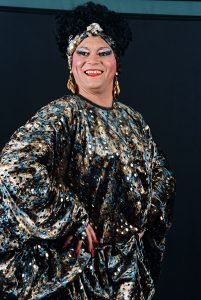
I’m Layla Jabburi and I’m here talking today with Sue Radford, a whole bullmose fishing heritage centre on Boulevard. It’s the 4th of March 2025 and we’re recording for a whole scene but not heard. So Sue, just wanted to start a bit, could you tell me a little bit about yourself where you come from? Yes, I’m Sue Radford, came from Heselrod, Gordon Street off the Boulevard, worked on Heselrod most of my life, worked for the Mars fishing industry for 37 years, until I retired. I’ve been a volunteer at the whole Fish Bull Noes Heritage Centre, doing little bits for them for the past 10 years but now I am a electricity at the centre. Can you tell me a little bit about Mars, what was the first? I did the payroll at Mars and involved with all the factory, I used to sometimes do the Christmas parties for the staff one night and for the factory staff another night. They were all quite happy with it, we used to take the children to Antaman every year and we used to do raffles to get them sweets and ice-creams at the Antaman. I got involved very heavily with it really, you know, I did enjoy it, like I enjoy coming here. Is it very much part of your social circle? Mars was and I still see the girls to today and a week on Saturday I am going to one of the girls daughters 20th birthday parties out of the factory. There is still all this invite me to weddings and engagements and birthday parties for their children because I always spoke to the girls that worked in the factory and I used to say to them, if you didn’t do your job then I couldn’t do mine. So there is no animosity between us and that was how I got on with them. So well, can you tell me a little bit about growing up on Hazzler Road on Golds? Yes, my grandma lived on the boulevard and my mom would always live down there. She was born on the boulevard and my granddad was a Royal Navy officer and my mom, when she first left school, she worked in the offices that told me, “Listen man, we had a good life on Hazzler Road. Everybody was so friendly, everybody was in one of those houses. You never locked your doors because there was no NATO because everything was so… Everybody, we were all brought up the same. None of us had a lot of money in those days. So my grandma used to help my parents because my mom, she was married to a fisherman at first and he got lost, let’s say, and she had a son and a daughter to him and then she married my dad and there was seven of us besides my step brother and sister. Okay. So there was a big family so we got help from grandparents which is natural. You know, my mom used to make a lot of our clothes and knit a lot of our cardigans and jumpers and passed all those on to us. I used to, when I got old, I made my clothes and knit my jumpers and things like that. So that was the way that you would be dressed nicely because my mom sat at the sewing machine making clothes when we were children. So, but we had a good life and we lived opposite the police station and there were very friendly. If we had any problems, we could go across there. They were really nice. Not like the policeman left today, they were sort of involved in the Ezel Road. There used to be one and he used to walk Ezel Road all the time and if I was walking to work, he would sometimes walk along with me. But that’s the way the wearing them days. When I first started work, I was selling the labs and I started work and it was about two hours a week and my wages were three pound total units and six books a week. But I was quite happy because I had a job. You know, I mean, that was the main thing once you grow up and you know, and I used to, my hobby was roller skating, which was winter time at Medley Street Baths. What they used to do is the swimming pool used to put wood and floor over it in winter and we used to go roller skating and I had the white boats, the leather boats with the skates and that was my hobby until I met my husband. I met my husband when I was just turned 18. How did you meet your husband? You came into the roller skating with a friend and I was, because I could dance on the skates as well and it came up to me and asked me if he could walk me on. And I married him six years later. So that was life. You know, in those days we used to drink along Hetzel Road. On a Friday we used to start up top end of Hetzel Road, which we called Dick Rites, the pub. And then we used to walk down and we used to sometimes go in Rose Tavern, Sheffield Arms. And then we used to come down and we used to go into Craterian and then we used to go to Halfway and then we used to walk across the road where the Volvo Garage used to be and we used to get on the bus and go to Ferrybough to Hetzel because they were open to late. Right. And that used to be our Friday night out after we’d been to work all week. Okay. You got, as Jerry said, all the fishermen, well, some of the younger ones used to come into the skating about nine o’clock. You know, they’d had a couple of drinks and they’d come in there and talk to the girls and sometimes take some of them home. You know, and they were all, they were good lads. The work time and it was hard work. And it was so sad because I knew so many that got lost, you know, and never came home. It was so sad. But Hetzel Road life was, well, it was just wonderful because everybody knew everybody. We used to go in the shops and you always knew them. You know, first name, Thames. Yeah. And it was just so nice. Can you tell me a bit about how we’d a night? So on a Friday night, what would be, would you go out with your friends? Yes. Yeah. With a girlfriend, yeah. Yeah. Because we used to go in the pubs at 16. And as long as you behaved yourself, nobody bothered. You know, I mean, along here, as soon as people left school and went to work at 15, they went into the pubs. As long as the, which we never had any bother. You know, I mean, when I was 19, I worked at the King Edward in town upstairs. I had a day job in an office, but I wanted to save up for a car. And the only way I could do that was by having another little job. Yeah. And so I went to work at the King Edward in, in the town. And all the young fishermen used to come in there, you know, and they were really generous. They came in there and they used to say, the other word of the rounded drinks and deals to say, and one for yourself. Yeah. And the landlord said to me, when I started working there, Percy, he said, so he said, if anybody buys you a drink, you don’t have to have it. He said, just get a tip of money for a bottle of paper, put it under the counter in this section that’s yours. And he said, at the end of the night, I will pay for those. So I made a little bit of money that way as well. Because all the fishermen, as I say, they were so generous. If they ordered a round, you’ve got a drink as well. You know, they were good lads. You know, they weren’t frightened to spend the money when they were home, because they never knew when they went away if they were going to come back home. Yeah. Do you think that affected the atmosphere? You think that’s why it was such a like? That’s why everybody on his road was so close. I mean, we knew all the shops. You knew everybody that owned the shops. Well, that worked in the shops. You knew everybody. And like Henry Eds, I’ve still got my watch. What my mum and dad bought me for my 21st birthday from Henry Eds. Wow. You know, so it’s all so nice, you know what I mean? Because Henry Eds, all the fishermen went in there and bought things. And to this day, they still do. You know, you still get them going across to Henry Eds, because we know them, you know, which is so nice. Yeah. You know. Yeah. As I say, all the pubs along his road, everybody was so friendly and those all were so full every night of the week. I mean, we have got Friday, Saturday and Sunday. And I always had to be an early Sunday because I had work next day. And my mum and dad was a bit stripped about that that I had to be in by 11 o’clock on a Sunday because I had work next day. Yeah. But on a Friday and Saturday, if we was going to maybe one of the well going up to Ferrybrook on a Friday, those deals to have live groups on. And so you could get up and down and everything. And it used to be up until late. Yeah. So they had a late license and because it wasn’t near any houses or anything. It was near the river. And so nobody bothered. Yeah. Yeah. So you could have a good time there. And we used to go down there. Yeah. And relied on somebody giving us a lift back into his head. Because it was a lot more when he died to drink. I mean, I didn’t drink a lot. You know, but I mean, if I felt like I didn’t know if I would maybe I’d feel I’m in it. And what were you drinking and what sort of Well, usually a lager man, or was a lager man. So, but if I if I did know if I knew what I would have a lemonade. So because if I had so much and I went home, my mum and dad didn’t like it. So you had to be careful what you had. Did you remember that guy on his or out or would I know? No, they didn’t really drink. Do you know what I mean? It was an only occasions when my mum and dad went out. You know, my mum dressed very nicely. You know what I mean? She always did. And she always had her head on every way. Cut the hairdressers. I’ve recited him on and she’d go and get her head on. But she always worked my mum. So, they didn’t have a lot of time. My dad was a long distance, sorry driver. So it was away from home a lot, you say? Yeah. So, they didn’t have a lot of time to go out. So, occasionally we go to pictures, things like that. You know. And when the maid friends would go out for a night out, you know. But not all the time. No. No. You know. So, because there was a big family and we didn’t have the money to waste. Where did your mum work? She did, she went to her flasher’s identity. It’s the cleaning job. Okay. She went for a hard-earned and Dorothy flasher and got on really well. I mean, after she retired, they used to bring her a Christmas and for every Christmas. You know. So, it was real nice. Yeah. And through marriage, we ended up being related to them. Because my auntie dolly married their uncle. So, in the end, we ended up related to the flashers. You know. It was really strange. Yeah. Because I went into the dentist to get me teeth done. And there was a picture on his table. And I said, “That’s my auntie doll.” So, I said, “Well, it’s my auntie doll.” So, I said, “Oh, right.” So, I said, “She married John. John Jacobs, and she used to have furniture shops in the town.” And, holding this road, I said, “Well, it’s my auntie doll.” So, he said, “Oh, that makes us a little bit related.” And he said, “Well, we’re slapping about it.” You know. Because I’m going there to get me teeth done. You know. And we ended up talking about that. But yeah. I mean, all these pubs on Hazel Road, every Friday. Well, every night at the week, door really full. And you used to get artists like Joe Longthong. Yeah. I used to go into the club down West O’Cabney on the same. And Rina Jordan. Now, I still see Rina now. Right. She did a charity event for us at Radha Club. Not so long back, that’s my phone. I’ll leave you all right. So, we still keep in touch. There was something to do with my song at Walt and Club. Not so long back. And Rina did a charity event from there. Okay. So, can you tell me a bit about when you went to see Rina perform? What would that be? Oh, yeah. She was really good. Really, really good. She used to perform all the clubs, but she still does some charity events, as I said, for the mice. But she doesn’t do the clubs and pubs now anymore. Because she’s like my age, you know. You get past it, don’t you know. Well, her husband, I think he’d have enough. But yeah. She still does the charity events. And if we do a charity event, she’ll come and do it for us. So, when we did the, we did, um, 2019, we did a Hazel Road reunion at Radder Club. And she did the charity event for us there, which was really good. But I mean, Joe was good as well. Yeah. You know, I mean, when he was a child, he lived on Woodcock Street. And I lived Gordon Street, you see, in which it moved along into Woodcock Street, Division Road. And I used to see him quite along. And I knew he was sister. Yeah. Because he had a sister that was my age as well, you see. Okay. Uh, Lizzie. And where would he perform? What sort of clubs would he be? He’d go in the pubs and clubs on this road. Yeah. Yeah. And my, my clutch was the same when he first started. I mean, but Mike was really good. Yeah. You know, I mean, he used to do some, uh, uh, tigers there on the B. Road. And we used to go see him quite often. Okay. You know, so it was, it was good. Was Mike and he used to drink in the pubs on this road. Anyhow, he used to go, um, deals to do all the pubs on this road and used to end up on the newest day in, uh, one of the pubs, because a friend of mine was a bar made there. Um, Esther, Esther Brantano, she was a bar made at, um, I’m just trying to think of the name of the pub. King Fisher. Okay. Now that’s not a pub anymore, but, uh, she was a bar made there for years, you know, so, and she’s, when we all, all used to go out together, she still used to go out with us, but I still see you now, you know, cause she’s an Essel Road girl. And she comes on to Essel Road and we, she’ll pop in here and see me and, um, like some of the girls that I went to school with, they’ll come in and I’m about to raffle tickets here and things like that. And you have a chat with them. Do you not for me? Have you always lived in her? Yes. And in this area. Yeah. Always. Yeah. I lived here until I got married. And then when I first got married, I lived a fourth on Avenue and then I moved up to Gilbert, I can a new little bungalow. And then when I had my daughter, we came back in to hold, um, we lived in Alma, then, um, we’ve lived in quite a few places. I live in Hessel now on the main bull through the road, Hessel, which isn’t very far away. You know, yeah. You still, cause most of the people that moved from Hessel Road, a lot of them moved Hessel, a lot of them moved on to both of your stay when the newest day it was built. And then a lot of them that did a little bit better for themselves, moved into houses and bought them to sell in Hessel. You do not amount. So I still see ever such a lot of people that I know and on Hessel Road, when I work on Hessel Road, I see that many people I know. It’s unbelievable. Cause all the girls on the laptop, the factory, are still accumulate on Hessel Road, you got made. So some of them still work on Hessel Road, you know, some of them work as the fish merchants that are still going, like Simpsons, uh, a lot of the lats from Mars work at Simpsons, you know, so you still see a lot of them, you know, but life was really, really good in those days on Hessel Road, you know. Like I said, none of us had a lot of money, but we all, we were all friends, you know. I mean, there was a lot of girls when I went, I went to Constable Street School and a lot of the girls that went to school with me lived on Hessel Road. So they lived these streets along here and along this way. So I mean, I’m still friends with quite a few of them. Yeah. And my best friend that comes to my house every week, Mavis, she was Mavis race, now she’s Mavis Rolf. She gets a little bit involved here as well. She does a Christmas cake every year for our raffle, you know, which is nice. And we’ve been friends since we were children. Right. And we still see one another every week. Yeah. And we’re still going together. So it’s really nice here. Yeah. So our first holiday abroad was together in 19th, but you see, 64 1964, we went to Spain on holiday for girls. Mavis, a sister and another friend, Janna, to was a hairdresser. So we had two hairdressers with us. So it was okay. And Mavis still cuts my hair to the now, you know. So she’s always been a hairdresser. And when you went to Spain, did you know it’s a difference going out there? Oh, the culture was so different. Yeah. Yeah. Even different to what it is now, because it wasn’t so built up then in those days as what it is now. You know, I mean, friends and neighbors that live round near us, there was all so excited to think that we were going abroad on holiday. 1964 people didn’t do it. You know, because I mean, it wasn’t the anything. But like I say, we did it. And never looked back really after going away. Mike and I started going away when I started going up with them. We started going away together, you know, abroad. And well, we’ve been all over. I mean, we’ve done, well, we did right across the west coast of America. We’ve done Florida. We’ve done all over. We did the fields, crows, and we’ve crowsed all over the Mediterranean. You know, so we’ve been some old, so we’ve been to, well, we’ve been just about every place in Spain that you can think of because when you go on the cruises to stop at all the different places, you say, yeah. So, and, well, my husband passed away two years ago. And we’d been married 52 years. So, but, you know, it was quite loud. I was more outgoing than him. It was quite and reserved, very smart, always. I mean, the lads here say I was smart, you know. And did he work in the fish at industry? No, no, it worked. It worked well. When we got married, he was working up at Capapassa, for a week, where they had all the problems and had to close it down. It worked there for 20 odd years and my family always said that’s part of why he passed away. So young, really, because he was only 76. But, yeah, it worked there for a lot of years and it had a lot of bad reputations. I don’t know anything about it. Oh, no. It was a smelting plant. And it was heavy metals from all over to there. And, well, the reason it got closed down was lots of bad reports about it, saying that it had caused a lot of childhood cancers in the area. And, I mean, a lot of the men that worked there, died of cancer, Mike Schumler, the other did. Because he went, after Mike went there, he went to work there as well. So, an a-died of cancer, he was only about 73, I think, 73, I think, 73. Which is young, you know. It is by today’s standards, because, I mean, my mum and dad lived good lives. My mum was an anti-war. And my dad was an anti-tit with me. Well, no, he lived on Earth Avenue, Greek Street, Earth Avenue. But, if frequented, has the road? Not far, because all his friends did. You know, he used to go to the gym on his road and things like that. So, because he made me laugh when I first met him, because he said that they’d been out running with the gym and they used to run along its road up to Regent Street and back to Somerset Street. And he said that it seemed me walking home with my white roller skate bolts on my shoulder. And he said to his friend, “Do you know that girl over there?” He said, “Well, no, I don’t know her.” But he said, “I wonder where she’s been?” So he said, “Oh, she’ll have been to skid, you know, medley street.” She’s got a bolt on her shoulder. She just put more of them on her shoulder. So he said, “Where is it?” Because he didn’t know anything about it. So he said, “Oh, it’s medley street, but,” he said, “when we’ve been for a drink tomorrow,” he said, “we’ll go, we’ll go there.” So his friend’s mum and dad had rosed, half an hour at the time, so they’d been in there and had a couple of drinks and then they came to the roller skate and that’s all I met and said, “Oh, that’s lovely.” But he seemed the night before. We always laughed about it. He thought, “I want to meet her.” Which is nice. And so did you go out together? Would you go out drinking together along? Yeah, yeah. I’d still go out with my friends, but we used to go out for a drink. We used to go in orthon, put on orthon, haven’t you? And then sometimes silver cod on On the Road. I always remember when we’d been to the church to all organised, you used to have to go in so many weeks before you got married. I was getting married at the church at South in Sunday service on the Sunday night. And when we got in silver cod, the vicar saw himself hot as well. And I said, “Oh, the vicar saw over there.” He said, “Oh, well, the house had a drink here.” But he was so funny. We’d been in the church with him and then he was sat in the pool, you know. And we laughed about it. Yeah. So, yeah, I mean, we did drink, well, I drank more on Essel Road than my husband did because all my friends did as well, you say. So, but yeah, I used to go in Kingfisher sometimes because, well, a lot of the fishermen used to go in Kingfisher, you know, they all used to go in anyhow. And a lot of the latter Fessel Road went in as well. It was a really popular pub. What about it? It was Kingfisher in New York. You know, the denier was there to Pestel Road where the flat side were in all the new houses. It was on there. Right, okay. But it was, I say, it closed down. But it was due to the recession really wanted. You know, I mean, a lot of the pubs, like Jerry said, they’re on the weekend now. But they were still up in seven days a week. I put it used to be 11 till three and then seven till 11. Okay. That was the pub’s arms. Yeah. And 11 till three was that? Afternoon. Yeah. So, like an after lunch, they were going for food or was not really food. No, the one, no, in them days. No. I mean, my aunt’s an uncle had Victoria’s, I’ve known Chapman Street, no rickas. Yeah. And my aunt used to do sandwiches and things like that. But a lot of pubs never. You know, but from there, they went to the Royal Unnewbridge Road where she did like, like the baskets of chips and sandwiches. And she was getting a lot of people in on the lunch time because of that. Yeah. Yeah. Because that was a really big pub was the Royal, which is still up now. I don’t think they call it the Royal, but it is still up. But like my uncle, who was the public, and he did stints, he was to relieve it. Rainers. Oh, okay. Yeah. And was some dams. Yeah. Yeah. I mean, it’s strictly on dams. They still up. So, yeah, you know, we used to go in there sometimes. I mean, wasn’t me and the girls went in there. It didn’t that many years ago because there was a charity door. And we used to go in there to anything like that that was going on. We used to go to a lot of charity then. So, it was really nice. But stripping down still gets a lot of people in. But wasn’t as close. I mean, when we was at work at Mars, those girls in the office, on a Friday, we used to go to was and dams. The last Friday of the month when it was a day, we used to go for a lunch at was and dams because they used to do fishing chips and news to be built. You know, and we also always go on the last Friday of the month. So, it was really nice. Fishing trip day at was and dams. Nice. So, yeah. I mean, I really enjoyed all of my life really on this world. Yeah. I mean, it was a good life. Right up to, well, right up to getting married really, I still come on to Essel Road and I still come on to Essel Road to this day. Yeah. So, that what time was that? Would you say when you were going out frequently on Essel Road? What when was that? Well, it was from the 15th. To be honest. So, that would be 61 when I left school. Okay. 1961 when I left school, automatically, people that you worked with, when it was Christmas time, the last day, the old went to the pub. Yeah. So, even though you was only 15, you went with them. Yeah. Do not mean. But like I said, nobody bothered because we behaved ourselves. You know, I mean, if you behaved yourself, you were fine. And I mean, the police never bothered. Yeah. You know, I mean, they never bothered because everybody behaved themselves. Yeah. Is it because it’s part of the community today? Yeah, yeah. It was, yeah. I mean, it was all part of the community. Everything that you did on Essel Road, you know, I mean, clothing house, they showed everybody went to clothing house and bought clothes. There was a man’s clothing house and there was a lady’s clothing house. And you were on a night time. None of the shutters was on any of the shops. So, you could look in the window and you’d see a really nice dress or a pair of shows. Yeah. And you’d think, “Oh, I might have that a week.” You know. And that’s how it was. And your friend would go in there, “Do you not want me?” Yeah. And then you’d go in there and you’d get yourself a new address and you’d think yours really, really, you know, because you’d started work and you had a little bit of money. Can you tell me a little bit about the outfits that you would wear? Oh, mini skirts. Yeah. Really short mini skirts, you know. And high heels. Yeah. Yeah. Really. I wore really, being small. I wore really high heels always. So, yeah. And all of us really short skirts, ever so short, you know. I mean, my mom used to say, “Are you putting some clothes on?” I used to say, “I’ve got a wand.” Yeah. And she’ll say, “Well, that’s a bit short.” I mean, that was real quiet. You never used to say anything. I mean, I can always remember when I first started going out with Mike during the week. I’d spend at 10 o’clock because he had to be up for work during the next day. And I can always remember in Wauke, Meone and we were stood up on my front door stepping on the street and my dad opened the door and he said, “You’ve so s-ed.” He said, “It’s 10 o’clock. It’s time you’ve got yourself in. It’s working the morning.” I know it’s 18. Which was really, really funny, you know. It is funny. Because nowadays, I’ve seen the married and the gut children and everything else. You know. But life was so different. You know, I mean, my parents were the kids. Obviously, wiggles, especially you had to be. I mean, I only had one sister and she was three years older than me. Did she go out as well? Yes. She used to frequent the pub, Lion, Redmond Street, which weren’t far away. But she went out with one or two fishermen. I mean, I would say that I never let any fisherman walk me on because I did. I went out with them and we also sometimes go into a club down our street. And it was alright in then, but it was always full of fishermen. What was that one called? There used to be a bedsy and shopper that’s above it. I can’t remember the name of it. No, no, no. But yeah, we used to go in there and that was always full of fishermen. There used to be a club, a gillot-straight club used to go up these metal steps of the club. One of the ex-wimper players, you’ll see, won’t it? Okay. So it was alright in there. Well, when I worked at Mars, we always used to go there at Christmas time when we left work. So it was all up there. Yeah. And I said to Jerry a few weeks ago, I’ve seen a few people fall down them stairs, like, “I’m too much to break!” Because we chat about Ezra, you know, and he says, because everybody that comes in here, he says, “Oh, you know everybody that comes in here!” It’s because I’ve spent so much time on this road right up to retiring. Yeah, yeah. You know. So it was a thing that you did know everybody. Yeah. I mean, you might not see anybody for a few years, but two or three girls came in a bit back and I said to one of them, “You went to Constable Street, it’s gold, didn’t you?” So she said to me, “Yeah.” She said, “I don’t know you.” So I said, “Do you know what I said? You won’t, because I had real long black hair.” I said, “Do you know what I’m doing? Call her it now.” I said, “Why are you real long black hair?” I said, “So far as you’re lifting gold in the street.” Oh yeah, I remember. Well, you’re lifting, because these houses were, well, they were very good on Hesle Road and deals to say, “Oh, you’re living the posh houses,” because in Gordon Street, they were nice houses to what these were on Hesle Road, you know. But it didn’t bother me, you know, but they used to say, “Oh, you’re living that posh house.” Nice to say, in posh. It’s just a bit better than yours. I mean, I had friends in all the streets on Hesle Road, you know, so it didn’t bother me, you know. We were all friends and we all had the same. None of us had very much. I’d say, I’m thinking about, obviously, the projects about Jack Queen, and things like that. When do you first remember seeing? Oh, I remember seeing Candy in Puk Don, or something. Down St George’s Road. Right, okay. Yeah. And what did you think? Do you remember the evening? Oh yeah. Actually, it was, it was really, really good. Yeah, you know, I mean, and his final song that he sings, it is absolutely fantastic, because he takes his week off, and everything, as his final song. What’s on that? Don’t worry. I am what I am. Oh, lovely. You know, and that’s always his final song. And it really is good, really good. But going back to Mavis, when she got married, we went to Dominick’s in Andelie for our night out. And the lad who played the piano, well, there was two or three of them off the ferries, because she worked on the ferries for a little while, and there were two or three of them that came to our night, lads that came to our night out. And you know, and what sort of yeah, was that do you think? Fading with it. Let me see, she was a lot older when she got married, she was about to say nothing when she got married. So, okay, because she’s 70 now, she’s 80 this year. So, about 40 or 30 years ago. So, being early, 70s. Yeah, yeah, yeah, okay. Yeah, because I got married 71. And was that quite unusual to see gay people? No, no, no, because, you know, I mean, she invited them to the night go after the wedding, because she worked with them and, I mean, a lot of people down with it, they have something to say about gay people, but it’s never bothered me, because they are what they are, you know, I mean, like I said, the cat helped it, it must be in them when they’re born. Yeah, that’s what I always say. You know, did you think it was quite an accepting space? It was, it was, we never bothered. Yeah, you know, I mean, you didn’t look at them any different. Well, I didn’t, you know, because it never bothered me. I mean, a lot of people didn’t like it, but it never ever bothered me. I mean, as I say, Kang is still does one at all charity events, and he is really good, really good. I mean, when you were, it was total quiet in Radha when he was all not so long ago. Yeah, you know, especially at the end when he does what I am, what I am, you know, and I mean, honestly, you would seeing him dressed up, you would never think it was a man, and his outfit’s a beautiful, the really are, you know, I mean, really, really are, you know, but I mean, there was a lot of ads on this little road that did, that got on well, because those are the lived-armers, and on the street, and he was in a pop group, you know, and I can’t remember the name of it at the moment, but there was a lot of ads that did things like that, because me and my wife had a day job, but he still did the artist work. Yeah, you know, like Johnny Pat, right? He did the artist work, as well. Well, he used to get a lot of the artists together for the company that he did. I mean, it’s been in here once or twice as John, but it’s not too well at the moment. It’s just moved into a home on Victoria Doc. It’s one of those homes where you have your own space, you have a room, and it’s like residential living, you know, is in something like that now. So, because he’s older than me, you know, so, I mean, I’m older than me. Could you tell me that when you say artists work, what sort of things with a performance? Well, Mike used to do, he used to tell jokes, but he could sing as well, but he used to tell a lot of jokes in my collection, then he used to do a lot of singing, but it was good. Similar to sort of Joe Longford, as a famous thing. Joe Longford was a classic asset, right? Yeah, yeah. He used to be, he used to take off a lot of different artists, and he was good, really good. I mean, when it was his funeral, we all came out along his road, because the brought the coffee in along his road. Okay. And we also got a nice little road. For Joe Longford, Mike Lodge didn’t want anything like that. He didn’t even want a funeral as such, but Joe Longford, because he’s still got family that lived just on that new estate on his road, you know, so, his old eldest sister lives there. I mean, when the move from Woodcock Strait, the only moved into Division Road, so they didn’t move far away, you know, so, door-a-reds-a-road people. Yeah, yeah. Okay, and so, I’m thinking again about candy, the first time you saw him perform, was it surprising to you? Was it exciting? I was amazed, when I saw him, Mervis said, “Is gay?” You know, so I said, “Yeah.” I said, “Somebody’s already told, like,” she said, “What do you think?” I said, “Oh, it’s good.” You know, because he was. Yeah. And was he a drawer like to go and see, was that, “Oh, yeah.” Yeah, so he was on your go-ins. Oh, yeah, definitely. And what was the audience like, what sort of people were there to watch? Do we all sort of, even now, the role my age, so they’ve grown up with them? Yeah, not many, because he was a nice little road lad, I know. Yeah, so they’ve grown up with them. So it was nothing unusual to us. Like, Rina Jordan used to do the clubs in that, on Hesle Road, on the clubs, because that’s where they were from. Or from Hesle Road. She was from St. George, just off St. George’s Road. You know, so when the role brought up ground, that sold a note. Yeah, yeah. Yeah. So that’s all we knew when we was younger, I mean, we used to go drinking that. You know, and I saw a road, that’s all we knew. Yeah, it’s all the road. And was it, did it tend to be mainly women in the crowd, or was it a mixture? Oh, a mixture. Yeah, all the three ages. Like Jerry said, the men used to be there, but the men used to not bother much, you know, they’d maybe stand at the bar, having a dream quite a while, the wives was all watching, you know. Yeah, yeah, yeah. And a mixture of age groups. Yeah, yeah, yeah. What do you think, if you were to compare going out on Hesle Road to other places? In that hall or in people that was friendly, is what the world was on. Everybody used, I mean, I went to collect some money on Saturday for calendars that we’ve had at the Sheenerity Center, and I went into the halfway pub just along the road. And I mean, I don’t know many people in there, but you go in and the old top tier still. And I went into mill as to collect some money. And the old top tier when you go in, you know, so it’s just the same. People are still really friendly, you know. The Rizzo Road people, because they still come and drink on Hesle Road. Even if they live on Hesle Road now, people still come and drink on Isle Road. Okay. Yeah. Did you think out, in what ways you think it’s changed? Well, I think it’s the children of Todurve changed. It’s always, I’ve got and I want, whereas we were satisfied with what we had, because we knew our parents and the money. I mean, you imagine a fisherman who would go away for three weeks, and yeah, his wife used to get a wages each week. But if they didn’t make a good trip when they come out, well, I’ve no money. It depended on what fish they brought back with them, as to whether they had money to spend or not. And I mean, the wages weren’t that fantastic when we were sugar. Yeah. Yeah. I mean, I can remember, I think a galley boy’s wages, what they used to leave to them on, was only about two pumps, something away. Okay. Yeah. Like I said, working 40 hours, I only got three pound total ins and six pumps for working 40 hours. Yeah. I mean, kids today won’t do it, won’t do it. But things were cheaper, obviously. I mean, I could go buy a new dress for a pound, and a new pair of shoes for a pound. I mean, they used to be a firm and shoe shop on as a road. And we used to wear it, put me in a marefish, used to wear it a little self-tam. And we used to go buy a new shoes and handbag. We always bought shoes and then handbag to match. Because she did it in them days. Yeah. Yeah. But I mean, it proves that things were right because my daughter’s still the same now. She will buy a pair of shoes and she’ll buy a handbag to match. You know, so it’s, it’s, it rubs off on the younger generation. You see, she’s sort of mid-fortous. And she’ll, she’ll everything after match. You know, just like I did when she was a child, an address to everything after match. And is your daughter to spend time on his? Yeah. She, yeah. She comes in here with me. Yeah. Yeah. We do a trip to North Shields, because a lot of the troloman on the girl, six of them came from North Shields. So every September, we do a trip there and we’ll air raids on that in North Shields. And she comes with me. So, and she helps Jerry now and again on the computer. And helps him do one or two things that he mebbic had. Yeah. You know, because younger ones are, yeah. And she only works two days a week. She works in the solicitors, obviously, in town. So she, she quite often comes in. She’ll sometimes come in with me on a Monday and she quite often comes on a Saturday because on a Saturday here, we do car boats to try and make a bit money for the centre because we run solely on donations. We don’t get any help from our local council or anything. Everything we do here is on donations. So we have to try. We do raffles. We do a raffle every month. And we do, when the weather gets better, we do car boats. We get a lot of donations from the fishermen because on a Thursday, we do what we call mestic days. And we get all the old fishermen in. And they’ll sit chatty and we make a drink for them. And we put a little bit of fold on the noodles and that, you know. And they come in about 10 o’clock and they go any time after 12. Sometimes it’s later if they get chatting and that. But it’s a really nice morning on a Thursday. Really nice. Is that every week? Yes, every week. Every Thursday. Yeah. You see, like me, a lot of them are on the road now. So it’s communication with other people and talking to different people. You know, and we keep getting more and more every week. Yeah. I mean, at first there was maybe half a dozen or so now. It’s just so full in there on a Thursday. Yeah. Yeah. Because they’ll bump into a friend that’s been a fisherman and they’ll tell them. You know, so it gets, the word gets around and they’ll start coming in. Yeah. You know, so it is really nice. Yeah. It’s like lovely. And do they still drink on there already? Do they still? Oh yeah. Yeah. I mean, they’ll go out of here and some of them go to illness for a band when they leave, you know. Yeah. Yeah. I mean, there was a funeral for one of the ex-fishermen last week and Jerry and Dev and all of them. They all went back to the work and it was in illness. But those, Jerry said, I didn’t go, but Jerry said it was really full. There was lots of old skippers there and everything, you know. So a skipper was in charge of the boat, she said. It said there was a lot of them there and everything, you know. Rain has come up a lot. It’s somewhere that you remember going to when you were younger. But even now, we used to go up in the back room and I launched on sometimes. And we used to, we used to take a sandwich in with us because they didn’t do a folk. Yeah. And we used to go in the back room and we used to, maybe have one drink at lunch time. Before we went back to work. But that would usually be on a Friday. Yeah. You know. Yeah. Yeah. A tree. Yeah. A tree. Yeah. But that happened right. Well, not long before we were retired, we were still doing it. You know. So. Did you see any performers at Rainers? Was that a place to go on? Well, you did. Yeah. But not very often do. There was a club down West, West of Avenue and Joe Longfone used to sing in there ever such a lot. Yeah. So. They got, they got that the, they used to ask them to go in and do it. Do you know what I mean? Yeah. Because Joe was on here, young lad when he, because I mean he was on television when he was a young lad. So he was on here, young lad when he used to do the clubs and pubs on here. You know. So it’s just, I’ve got an idea of what the evening was like. Would it just be one performer or would you have a few to watch? Or sometimes you ought to feel what sort of things, how would it kind of? Yeah. You’d maybe have, maybe have a comedian on. And then you’d maybe have something like, “Kandio.” Uh-huh. You know. Or Joe. Yeah. Or things like that. Or Rainer. You know. I mean, it was all, it was always a mixture. Yeah. And when we used to go down to Faribo in Hessel, they used to have the live groups on. Okay. And even Grumpy and Hessel on a Saturday night, they used to have the live group on. So Hessel became part of Hessel Road really. Right. Because a lot of them used to end up there. Because Faribo, like I say, was open to lit. Yeah. So a lot of the fishermen used to be down there when door open, you know. I know we’re talking like the 70s there. Yes. Yeah. Yeah. Yeah. Yeah. Yeah. Yeah. Yeah. Yeah. Yeah. Yeah. Yeah. I know. And when, because a lot of the project was around the 80s as well, do you remember what it was like in the 80s? Yeah. Or less over here? No. Because I didn’t really come drinking. I worked on Hessel Road. But I didn’t come drinking because I had my daughter. Yeah. And yeah. You have to give up things like that when you get a child. So I didn’t really go out a lot. We also occasionally go out for a drink. It would sometimes be in Silver Cod on the Birod because a lot of the fishermen went in there, you know, ex-fisherman. So that was still part. And we went in there, right? Oh, when my daughter got older, we used to go in there because we used to go in with Mike’s old school friends into Silver Cod, you know. So I mean, he had a few friends that were fishermen, you know. But I, unlike two of them, we lost, let’s say. Yeah. So I mean, his best friend was also on the, oh, and I was then, and I tried to think of the name of the troll. It was on fire. And he didn’t get on. I mean, a lot of them did get on. But he didn’t. And the common trend. So it was sad. Yeah. Because I mean, his friend had been sculled together. So they’ve grown up together. It was very sad. But it was sad, when I mean, I knew such a lot of them. When the three trailers went down together, I knew so many people, you know. And when the goal went down, I knew people on there. I mean, one of the labs on there, we used to be as teenagers, friends. You know, so it was sad. It was sad when they all went down, I mean, you know. But when the three of them went down more or less in a month, that was, oh, tragic. That’s not really tragic. Yeah. Do you think, I’m thinking about it from the women’s point of view. Oh, it’s a room. Yeah. So did people come together at this point? Was this a… Oh, they were all together. I mean, the match, with Lily and Bela, the match, along with the room, you know, because she got something done, you know. She lost her job over it and everything. But I don’t think she bothered because some was a fisherman as well. Yeah. Yeah. So obviously, she was protecting her own as well. Yeah. You know. So, but, oh yeah, they had meetings at the, what used to be the church hall. Yeah. They had meetings there and the match, along with the room, to the fish, stuff and everything. I mean, Dave went to number 10. Yeah. So it was a sad time. Yeah. At least she did get something done. She did. Yeah. Yeah. Yeah. And for the women, I imagine this road was… The audience was looking at them. I was one another woman, anything like this happened. Because I mean, I mean, Mum told me about when she lost her husband. The mission man came Christmas Day to tell her it was missing the suit, because I’m dead. And she had one little boy three. And she was expecting another child, which was… She was born in the April, my sister, one half sister. She was born in the April. So she never ever met her dad. All she ever saw was a photograph of her dad. You know. So, yeah. But what she called my dad, dad. Yeah. You know, because she never knew anything else. You know. So she was brought up and she thought it was her dad. It was like she was concerned. Yeah. You know. I mean, when she got married, he gave her away and everything. So it was like being a dad. Yeah. Yeah. But I mean, a lot of fishermen’s wives never remarried, but some of them did. You know. I mean, have a friend that lived down south Boulevard, that went to school with my jail. Her first husband. He was on that trail with Mike’s friend. And they hadn’t been married very long. And she had one child almost expecting another. So… And he got lost, did Tony. And a second husband, which she married, was a fisherman. And he died at sea. He had to suck on… I think it was a half to suck on the drool. Right. And… So it’s stronger to communities. Yeah. Yeah. I mean, I was there for when it happened and when everything was over, I used to take her out with me and things like that. If we had any special things going on. Like when I used to arrange the Christmas parties at Mars for the factory, I used to take her with me, because she knew a lot of people as well, obviously. So I used to take her with me. So I used to try and help her by doing this, do you have to leave? And she comes in here occasionally. When we have the memoriams at Cloner, I believe, you get a lot of people in there, you don’t know. Because they’re involved with the fishing and the families of lost people. Yeah. Yeah. And so… The Christmas party is what were they like. Oh, really good. Really, really good. We used to have the club down Walker Street. No, they’re not out. And that was Rumba to Wessel Rodders. One of the Cassidy Labs and one of the Hamilton girls. She was from… She was from Eaton Street and he was from Bean Street. So they were both Hessel Rodders. And they used to run. I’ve tried to think of the name of it. It was at Topo Wallika Street. We were talking about it the other day, you know. And that’s because it had such a big room upstairs. And there was like 200 knot staff at Mars in the third day. So we needed a big factory. And we used to put a buffet on and everything. And they used to all have a really good night. And they used to say, “What are we doing next year?” So, you know, as long as we’d done it. But like when the fishing industry went, like in the 70s, that… Well, I think Mars was taken over by Young Seifolds. And within four years of them taking it over, the clothes, the factory. So everybody went, you know. They all went different ways. And some of them did go back into fish factories, which were simps and different ones around here that are still open, smells. But a lot of them that worked at Mars work at different jobs. I mean, some of the girls work in Herons on this road. So I still see them. Some of them work in the town. So I still see a lot of them. Well, I bump into a lot of the girls on Ethel’s work. Which is nice because they always have a chat to them. And they say, “Oh, it’s really nice to see you.” So, you know. Because like when they used to go into the office, my office in the factory, and deals to want forms filling in for different places for the DHSs, things like that. Because they used to claim this work in tax credits and things like that. And all right, the work all intelligent enough to fill a form in. But they’re intelligent enough to do their job. So I used to do it for them. They used to come in and I used to say, “I used to say I used to have got a form when you want me to fill it in.” And I’d say, “Oh, yeah, of course it will.” You know, when you finish, come in and I’ll do it with you. And I used to do it with them. I swelled them. I mean, I got on well with all the factory staff. I mean, lots of office staff did. But I did. It was to me that they were part of life. Like I used to say to them, if you didn’t do your job, I couldn’t do mine. So yeah, we had a really good relationship. And I still do have a relationship with a lot of them. Which is nice. I mean, they invited my husband to weddings and everything with me. And we got an invite a month ago to one of the girls, daughters, 21st birthday. And because my husband passed away, they said, “You can bring your daughter in there.” So I wasn’t going on my own. Which is really nice in the day. Lovely. So just to finish off then, what do you know in terms of the pubs and the club scene on Head or Road, what do you see has changed or do you think there’s anything that’s changed for the better or anything that’s changed for the world? Well, no, I’m changed for the best because half of them are always half empty. I mean, I do say, I wonder how they keep going. I mean, one bit, the close criterion for another bit, for a while, but the real thing now, what the one you opened, the one bar, does flaps in the other half of the pub now. So you can tell, yeah, the club down West Rock Avenue was closed. The street club, which was popular with everybody, really popular. I mean, we used to go to a lot of those day street club and they used to have artists on. Another lad that lived on Redmond Street, oh, I’m trying to think of his name. He used to perform a lot in day street. Yeah. Can’t think of his name, but he was a local lad and he used to perform a lot of day street. What sort of performance does he have singing? Singing, yeah. Yeah. Yeah. His sister was as well, actually, you know, they used to sometimes perform together. Oh, I think. Er, Alf Berry. Alf Berry. Yeah. A Margaret, his sister. I occasionally say Margaret, because she went to these sim schoolers, my. And my age as well, you say. So, but yeah, he performed. Last time I saw him performing, he was in day street club before it closed, but that’s closed now when it’s flat. Subway club closed. Our street club closed. Subway club club closed. Day street club closed. Gillot street club closed. All the clubs, you know, which did a real lot of business with the fisherman. Yeah. The Voll closed. Because that’s where a lot of the Edelrod artists used to perform. Yeah. And can you describe to me? Sorry. What day street club was like, what was it like inside? Was it, you know, just it was just like. Well, Gillot club, whichever one you came. Yeah. Give us a day street club was just. Upstairs was the main room where the artists, where the stage wasn’t everything. Downstairs was a bar. So we always went upstairs where the artists was on. And it was really good times, you know, we had some really good times there. Yeah. Really good times. Like we do when there’s a function on that rider club. Now, you know, I mean, we still go to the functions in rider club. Yeah. I mean, that’s where we had the goal function when it was 50 years, you know, which, well, it was so practical moving there. Because there’s all the ex-fishermen in, you know, so it was really nice. Yeah. Yeah. Made quite a lot of money for the centre on the raffle and that, you know. So, because we get a lot of raffle prizes donated. Yeah. Which is nice. And there’s lots of ourselves. We donate them. Yeah. So, well, you’ve got a little help in some ways, aren’t you? Yeah. So, but yeah, I love coming to the centre. It’s part of my life now. Yeah. Good to have it. Three days a week. So. And do you help with just keeping it running? Well, yeah. I do. I sometimes do the banking, whatever we’ve taken. I do the drink. I was, like I said, I was cleaning the kitchen when you’re… Right. …in. So, and I just make sure everything’s clean in there, because we do fold in there, as I say. So, Dave O’Wex, also a trustee, his wife comes and helps me on a Thursday, because we do the fold. And she usually makes the sandwiches. Usually just them before she comes. You know, it just brings them, puts sandwiches on sausage rolls, put up eyes, other bits of cheese and crackers and things like that. You know, just nibbles. That’s really… And they all enjoy it, you know. I mean, especially those that are on the road. You know, because when they’re on the road, it’s hard work. Yeah. For a man, I think it’s actually, I think it’s worse for a man than it is for a woman, really. Right. Because a woman’s used to doing the elsewhere and cooking and stuff like that. I mean, my husband used to help me cook and everything. He could cook and he could bake and everything. My husband. He was really domesticated, but a lot of men are, isn’t he? You know, so it’s real nice for them. I mean, they’ll come in here and they’ll have a few sandwiches and put up eyes, things like that. And then they’ll go to the pub for a part of the go home. You say. So it’s like a social event for… Yeah. Do you think women find it easier to socialise outside of like organised? Yes, did they? Yeah. But we do say it’s certain to everybody. So if the women want to come in, which you do get one or two that come in, you know. So it’s certain to everybody, you know, nobody would be turned away, even if you were a fisherman, you know. You won’t be turned away. Because it’s a social, as a world social event. Which is nice. Because anybody off as a road can come in. Yeah. And it feels like they’re a social place. Oh, yeah, it is. Yeah. I mean, why we don’t get any help from the council? I don’t know. Because the amount of people that come over the doorstep is phenomenal. It really is. And we put him for a warm home grant with the council, but we didn’t get it. We put in for it for winter, really. But we didn’t get it. We were refused it. It’s sad, really. Because this is the centre of us all road now. You know, here, and rainers, halfway up, and millers. There’s the three pubs that are yours by, all the ex-fishermen. Yeah. And uncraterian as well. And it’s so sad to think that they’ll communicate. Yeah. And yet we can’t get nothing from the council. Yeah. It’s difficult, isn’t it? Yeah. It’s sad. Thank you so much for talking to me today. Oh, that’s fine. Is there anything else you want to say before? Not really. I think I’ve gone through most things, haven’t I? Well, if you think of anything else, yeah. I’ll get in with you. Yeah, I’ll just have to get there.
Home » Wider Scene » Susan Radford » Susan Radford – Audio Transcription