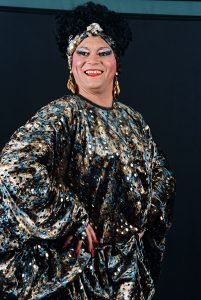
Okay so it’s Kate Jenavo recording Russell Boy, so on Saturday the 9th of August 2025 in Kate’s house in Offington. Okay so Russell start from the beginning. The beginning really the beginning of the whole thing is from a very early age all I knew all I knew all I knew all to do is pictures and I remember very clearly the moment it actually happens we were at school I was probably about six or seven and the teacher she cut out on a brown card and stuck on a tree and all the branches and all this stuff and it’s a there’s a tree there’s a blue sky it’s a big circle the yellow sun there and in her draw she had lots and lots of leaves I think she’s about photosynthesis from that that and she asked all the children what’s okay children what’s missing from the picture and I used to have never ever used to have a hand at hand and she said oh Russell what’s missing I said miss the sun shining as no shadows because I thought saw the shadow and she wanted to say there’s leaves missing and I didn’t say and so she said oh she did that very well and she said also of course there’s no leaves said said you can pick two friends if you like and you can stick the leaves on and paint some shadows on the tree I thought it’s great so I chose my best friend Colin Daniels and a guy I really liked it and I was Helen Attlewell and we spent the afternoon painting a single day rather than doing a little boy’s schoolwork I thought this is for me I’ll ask that and so I need for that moment on I want to do pictures my parents basically none of my family have ever gone university there’s for the background my grandfather on my mother’s side was a postman and my grandfather on my mother’s and that’s it on my father’s side was a cop who used to make shoes so there’s no experience of arts or anything in that world that’s unbelievable and when I said I want to do drawings and I used to be obsessed with drawing I draw and draw and draw and draw and draw my friend two friends used to draw yourself cartoons or used to make them out used to make up characters and do cartoons and then I started collecting Marvel comics I used to love and I’d buy the comics not buy the characters by the man or who’s famous but whatever was but by the artist he was drawing because I liked certain artists so Jim Starring was my favorite and when the artists moved from one character down I would then start collecting those comics because the artist I used to love basic love all that but my parents didn’t want me to do arts because they said there’s no you can’t get a job you can’t earn money don’t be silly about blah and so they made me do the sciences and for the hold of my school up to when I did the GCSEs I only did sciences and English and that’s what stuff and I realized that what I really wanted and then they of course have the conversations about university on the stuff I thought you know oh what you’re gonna do with your life you know so and I said well I really want to do art I really want to do art and and eventually they said I could go to the school and see if you can do a level art and I went to go and see the tutor there and he said well you haven’t done would you see a sea art so you can’t do the A levels and he said but let me have a look at your work so I showed him all my cartoons and I drawn it he said oh he said that’s fantastic he said I tell you what we can do you can do the A level but you have to do the the O level in the first year and then you have to do the A level in the second year so basically I’ve got to do four years worth of work in two years which of course I did because I just looked well how nice is that you sit in the classroom you’re painting and drawing and I loved it and the second year of of A level zoomed this guy Mr. Taylor and he was exactly as you can imagine he’s sort of like a beaten it he’s got a beaten star suddenly that sort of gray hair and you know and suit hair and berry and he would invite us around to his house and my friend Liz and we would just chat and talk about art or painting and have a glass of wine and it was just like a grown-up space and I felt sort of liberated in this grown-up space and I did all the work and I really wanted to be a painter I loved them I loved light and I was very interested in oils and how you you build up layers of oil so they become translucent and you can and that that I used to love all that that the way the light came through that but I always liked paint where people were so I always I wouldn’t do in the studio I always go out and try and paint their life and so and I like the interaction with people so then I did the foundation course in Cambridge so I got an A in both of those things which was nice you know because I wasn’t a student really because words will swirl around I’m pretty it works worse that they’ll work but then I did the foundation I got the foundation course and Julia Bourne I think was the name the one she was a painter they in Cambridge so it’s in Cambridge Foundation course and she was a very gentle woman and lovely and of course in foundations you try lots of different things so you do it sculptured it a pottery hated pottery I just couldn’t get on with that little plain mess and stuff going horrible so I didn’t like that but I then I said I want to do painting and at the time you have to remember this was in the early 80s where the country was in massive recession so the thought you’re going to go to university to study fine art in the period of Thatcher and recession and unemployment was bizarre my father was really worried about it all and he said he said what you’re going to do for a living I said don’t worry I’ll be fine it’ll be fine I just knew it’ll be fine and I’ve always believed that we find it just just is fine things fine if you you work hard enough you get you’re lucky great so you really have a passion I think it no matter what you want to do it fine so I went to I was working Tesco’s actually Tesco Bakery and it was in Bar Hill and I used to work on the shop floor first of all and which are hated because people always ask you whether tomato puree is where’s the tomato I’ve never know where the tomato be I’m where’s the I got no no no I didn’t like people asking me things so now I just don’t have to load the shelves and one day someone’s asking me something about we had a electric forklift trucks to get the pallet so if you get the pallet of the beans whatever you we certainly have to stack the shelves and I remember this one was talking to me and I helped them it had the forklift truck thing by that and talking to I didn’t know I activated the thing to go up and it just half got under someone else’s trolley lifted the trolley up in there and the whole thing just crashed the ground I think smashed on and as a punishment the management said to right you can go in the bakery and clean up all the messes there and for me it’s just perfect so I didn’t have to deal with customers or that and I worked in the bakery and then I got my friend John Moore who recently reconnected with I got him a job as well so we used to both go there but we have to be there at like half five six in the morning and it was during the time of punt so we’d go we go to Cambridge Corn Exchange go and see the glass or the dand or ever it was drink underage what come back suckers we I lived in an village nine miles north of Cambridge so it’s a cycling town and you’ve never loved you you know oh we’re gonna meet people you never meet people looking like I just cycled nine miles the point of rain then we suck away home drunk whatever go home get into get get home and they’ll have to cycle to bar hill to start a baker’s job and basically it was it was a lot fun and we learned basically how to become bakers because the guys they were asked that we were half smart and they used to say hi I’ll add your idea as a we go for we go for breakfast which I mean they disappeared for two hours and we would mix up all the doughs would prove the bread and in the you know we’d grow it and then we would know different mixes have for different sorts of braves the French sticks or loads or the spitines and that stuff and then we put them all in the ovens and then take them out the ovens and they get it ready then the bakers will turn out when all it was done and I remember I had my interview because I was looking at some colleges to go to of course you think it goes to London College but because I’ve sort of started about we lived in Bromley near London initially before we moved to Cambridge and I wanted to experience something different in life I didn’t want that so I didn’t quite know what it was but I wanted something different and I was looking at the colleges the art scores and money was a real problem and I think they’re investing in some of the northern colleges so when I looked to harm they promised all these things that film staff technology there they had photography they had painting they had design all these wonderful I thought oh go there so really you would use the subject be the go to London College because that’s where it’s where you’re supposed to go so I thought no I wanted to go so I could have more money so the more opportunities for me to experiment because I hadn’t experimented with anything I wanted to just consume this stuff and so I chose hard and but a week before my interview I was going to go and see Mr. Taylor to show my portfolio before I went to the interview and I drove to Tesco it was a blue 850 mini which I saved up to use the work and National Institute of Agricultural Pottery which in came to me they measure onions and things so I’d spend a whole summer being at onion you have to measure them except for the identification of different new species which would be good for the you probably know it you would probably know yeah for the different plants for whether a resilient against disease and I don’t know enough money to buy a card so because if you like I said when you’re cycling nine miles you’re never gonna have a day ever you know because bike flips wet here in oil grease it’s not not a good look so you need a car that I thought need a car and basically so I had put my portfolio in the back of my car went to Tesco’s when I came out someone stole my car my whole portfolio and thought that’s what I thought I shit and they found the car and basically all my stuff had been gone it’s all gone whole I thought it was gone and the only thing I had left were all my sketches for my drawer for my work that’s all I had left so next week I went to Hull and all I had in my from the eye display was drawings that’s all I had just drawing so I did in the street and I explained it to them this is this and I liked all my drawings so they got places off the place so maybe it’s a good thing because maybe it’s a craft and the drawings were nicer so so I went there and I lived basically those days you didn’t I think with the art school it didn’t have like in-house what I call it halls of residence I think you went to the university up in the the avenues area it’s very posh and nicer and you go to uni there and blah blah the art school you’re just sort of like a second-class citizen so so then it begins to look for accommodation of course because my parents did not experience it so I was having to do it all myself because I didn’t know they just didn’t know and so then I ended up basically I was sort of I think I always ended up with a pup you know so I ended up on George’s road and there was one guy called Jerry and he was doing nautical communications course so he was older than us and he was the I think it was the polytechnic or the there was the art school on Queen’s Gardens in Hull there’s a like a poly mix that where you did nursing and queuing and sort of stuff and he was there as a guy called Philaspie who was a sculptor and you lived in weight training you know you all beeped up and I mean Jerry won and basically that was on St. George’s road and actually one day we used to take a piss out of Phil and his weight training and he I think we went to one night drinking and one day we would say he used to go and all the stuff and one day we have both me and Jerry agreed that he would let Phil taste the gym he said you really got to taste the gym and he’s a major he turned up there in our sort of funny vests and sorts and things and looking puffy and pale and thin and horrible and Phil said you just do this just lots of little exercises do that with your feet do that with your arms obviously alright and the next day I was every bone and my body just eight to eight today my girlfriend now I couldn’t she just rolled me out of bed and I couldn’t move it’s just horrible horrible I just I saw never going so I’m not really a gym money but he felt that’s very very funny I think we would see Jerry for two days early just staying there just combative anyway so the point is that for me how was like an awakening of of understanding people and humanity and stuff like that so I was doing fine art in college stuff painting and so I was basically drawing but I wanted to always be drawing in sitting where people are and I’m doing a bit painting of the painting tutor he was a drunk really so you turn up in the morning and he’d take everything he did it just wrap wrap rubbish on rubbish in the afternoon he would come back and I think he’d be wonderful and I wonder I thought I put the test so he slagged up my painting hated this and why am I live and stuff and I decided to do nothing to talk and he went for lunch few points came out it’s all one of one of one of one and I thought then as this is it’s it’s all dependent this is like it’s all you know you have to have your own conference you know work you have to go this is like one other people’s opinions are of course valuable if you value their opinions but then then it’s it’s sometimes just how they feel what they think and I said that you have to yes you have to choose people who are going to evaluate your work of criticizing critique here and at the same time you have to have confidence to go actually I agree with that I don’t agree with that I think that’s that’s being the hallmark of it but anyway I got basically what happened was I was drawing outside it’s always cold in heart never means a cold in my life it’s just freezing the heat of my mean you start working as well and I remember that thing frozen in there like I do remember sort of that’s that the wind comes straight from Siberia into hull and straight through any clothing you’ve got as a student you’ve got like horrible ex-army coats that you wear it’s got the money it’s all called freezing cold and wearing lid there’s no heating they used to be frosting inside of the window it’s just like you can scrape and it’s a bloody freezing and the bathroom was a bathroom was used to be cold so it had corrugated roof metal as a roof so when you turn the water on in there the whole room was filled up steam and the bath because it was a one of those metal bars you’d sit on it it’s cold and so you’d have like three minutes of hold moving around that you got horrible horrible horrible and tiny little flat was damp everything was dampened but for me really exciting and I really liked it and so I started doing I was always like drawing with people and so I thought there’s Bob Carla’s fish and chips up and it was remember the beautiful red doors and I was interested in the structure like I suppose it’s called a bifold doors now they fold out and then of course it made the substructure of all the red and the lines and and all the tiles in there and I was drawing out there and and I was interested so I would draw the structure in reds because I would do that and then I look at the way people who did colors and the shape and the feet moving so it’s interesting movement and the and the color within the structure of the architecture and so I started using charcoal’s and different crayons and he said to look at the blur and movement I remember this bloke sitting there watching me and he said to me what are you doing there son so I’m doing some drawing and he said I can’t he said why is that there I said it’s Bob Carla said that’s not Bob Carla’s he said he said I can’t see what’s going on because it’s quite abstract I said that’s right he said no mate that’s rubbish that’s right then but I thought he walked off I thought he doesn’t understand I’ll do I don’t know what I’m doing then I was then I had a girlfriend she was doing graphic design and and Daniel Meadows was teaching photography one of the the graphic design course they would do little modules of courses a bit of design work bit of typography bit of photography bit of you know copy how they have been print production of stuff and she made this guy Daniel is running the course and I bumped into her at the same time she was talking to Daniel and we’ve got chatting and then he suggested to me I told him about my Bob Carla’s painting I was doing about Robin and he said me why don’t you take a camera down to to take some pictures in it to support your painting and I’ll try that and and yet to go to this sort of like the storeroom where there’s a bloke there a young guy they used to chase with the girls around really but and he would and you’d be able to sign out a camera she’d sign out a nikon camera and a maybe a couple of lenses and some some film I think you have to buy the film is but maybe you have like a couple of roles from the college and after you go to buy them of course I know this thing works so Daniel showed me how it worked this is an F-start and this is an aperture this is the film set loads and I think I’m actually and basically half I went and learning about focusing which is difficult to do and just and the the light and Bob Carla’s fish and shit because it’s half outside half inside it’s quite bright outside when it was bright and how it was not from Brian Hallard or when it’s bright it’s very very bright and then in so it’s quite dark and you’d have that contrast of light and the light coming in and because of all the steam and the smoke it then diffused their life and it was really quite nice and so but to try and capture that in photography is very hard so basically I would screw up quite a lot so I do things I didn’t know what I was doing the exposure be wrong the folks were wrong and slowly after processing films I got used to it I need to do this and I produced a set of pictures and I thought I have quite nice just a picture but what happened then there’s a change I suddenly realized that in the 60th of second I could have a complete picture none of this drawing and painting and mixing colours and it really grabs my it was just like this for me it suits my personality quite impulsive I’m impatient to degree and then I suddenly get right to do this now and then I’m positive that’s it and then what I really like to do the pictures and so why decided I would do so I used to give people prints I’d make a print and give it to the women that serve it Bob Carver himself and stuff like that and I decided what I do I try and have an exhibition in the chip shop and the spokes that choose how you do this because basically I was then attending basically when you do a final course it means you can just do what you want and you just you can do nothing if you want for the whole day you just do you can do nothing and turn up throw some paint and go there isn’t that’s fine so I was able to do what I wanted to do I then started doing what was basically the graphic course the photography and I would and Daniel would show me how to do some the guy who’s in the the technician was showing how to process film how to make a print and I was learning all that as well and so I was learning those skills and what I wanted to have an exhibition in the chip shop I thought be quite nice I did you had how to show the work so I was always keen on people to see the work and have ordinary people interacting with the with the work you created because it was about them and I mentioned to Bob Kavka he said yeah yeah sure Bob Bob Kavka the guy who said yeah you can do that I think it’s Bob Kavka senior at the time because he ran it this Bob Kavka junior that took over this I think that’s right Georgia tell you more there but what I had to do was I laminated 16 by 12 prints printed them up and then I thought what I need to stick them on the on the on the chip shop it’s all tiled and then the technician I said why don’t you laminate them they had a laminating machine so you stick in you get plastic both sides of the print that I could go there but when I went to stick it with those sort of double sided bono there’s so much grease on the wall nothing nothing was stick so I then got sort of like this nuclear chemical type thing to wipe down all the walls I work down all the walls to get the grease off it so my pictures could stick and that’s why I did so I must be about 12 or maybe 16 pictures I’ve got comments book which I hung up there as well and there’s lots of people are comments but my favorite comment which I remember even today was great pictures of people enjoying their day the Bob Kavka’s way and I thought that was it and what’s nice if the local paper did a little story about my pictures and I think local TV came down and did it as well so promote and that to me it’s just magic means that people saw my work even that was a great it was like the first time I’ve been taking pictures the people that are actually in the pictures were enjoyed the images and the people responding visually to the people that are in the pictures and bothering to actually comment and I thought this is fantastic so once I got better photography and I was wandering around the St George’s road I used to wherever you went so wherever I went I would go that’s fantastic so I met I saw George Norris was the only horse of car so I’d go past a couple times you know rain, boom, battery, I used to shout battery boiler, bike frame number, rag boom that was his cry I thought I’d quite go like that a couple times and also up further up once over the street so you come out of my house I think it was two four two St George’s road to the left and up there was St George’s pub and you come up to the right to go down to Hessel Road and further along and there would be the what the pubs called Starnagata and then there’s also George so I started doing I went into the complicated many things will happen at the same time because that’s how so like it wasn’t I wasn’t working on one story at one particular time the next story I was working on three different things so I’d go to the Starnagata lunchtime and the there’d be old boys and the fish when they’re drinking their plants because the lights had they’re all smoking in there there was the windows were half frosted and half clear with heavy curtains and so when the sun came around the light was streaming it’d be beautiful very contrasty and then sometimes and then Brett who was Brett Hamming who was the year above me I mentioned him about this this this rag boom and he said I know him so Brett introduced me to George and so then I met George I said can I take pictures of George so George’s yeah it could come along and I was then photographing him to go over here for a time taking pictures but then further up the road to St George’s pub which was run by Claris Mack Sunday night was drag night and I just stumbled across it I thought I’d go for pint I think me and Jerry went up there from the house we’re going to go for pint there stumbled in there and they’re setting up the stage and we’re always having and then this this drag attack thing it was just like mind-blowing chaos it was just like and I’m sitting there with my southern head and my my yeah because everyone thought I was very posh because of my son actually I’m not particularly posh but there and just this chaos erupted and everyone got completely shit faced and it was like standing on the chairs and singing and blah blah and shouting and and never forget it so at the end of the show that so so it was candid to bury the tiles which is called Ray Minut and and he would do this song called he was my basically he would mind to there be a you’d have a cassettes he put it on he would mind to the to the different cassettes but dressed up in different outfits it can be a pregnant nun it can be show you temple it could be show you Bassey it could be just different different characters will come out and it’s just fantastic by the end of the show we would do he would sing along to what makes a man a man by Charles Edlin Hasnebore and he would change from basically normally this is Union Jack outfit because we just done standing on the chairs all shouting raw baton you’re and always be in England waving arms and and then he would come he would transform from this flamboyant drag artist into a sort of a boarding slightly built guy wearing black trousers and there was I mean there was he was he wiped his makeup off and then at the end of it he would bow him down on his little stage and Clarice Mack with her I’ll never get you because ladies and gentlemen ladies can you do Barry a true artist you would say she would say after you artist and she would make her a clap and if you were clapping she’d go oh you’re not clapping clap and she’d be ferocially around that and then disappear and then they think oh finally when he’s tumble home and then your day work would happen and then the next week Sunday would be drag night again there and it was just fantastic and even though he would do different acts so that the evening format was the same they’d come on there’d be a few drinks like a warm-up act and and he might peer in whatever costume it was and he would go off chains that means he’d come by some more drinks and the St. George’s was dividing into two bars so if you go into the building on the left hand side I think it was the salon or saloon I can say on the right hand side was a bar and on Sunday night and then the other night it’d be like different they’d just be local guys people in there drinking but that’s quite quite a place Sunday night was different so crammed on the left hand side would be the candid to Barry show game I basically have a good game night in there but then all the local drinkers a lot of them weren’t interested so they would be in the other bar and I remember one time I was there with my girlfriend and it was the interval so so she said go get me drink I said okay I’ll get drinks so when so the bar on the candy sauce he was so that I’m nipping to get them to the other but I get the drink there and there’s these big fellas in there and they knew that come from the other bar so I squeezed them much with the bar and she was drinking that disgusting drink called snowball is it white that white is it white for horrible why anyone drink is gummy so I went into into the bar the other side I said come over point of bitter and can I get a snowball please and there’s bloke there’s no right next to me like that he said he said to me is that for you love I said no it’s not for me I said who was that for then I said that’s my girlfriend so what’s his name then I said he’s a she so he’s not he’s a she’s a guy who’s all right is it be your from next door I said yeah he said there’s a strange bunch in there but it’s fun you know so it’s like it was a and then some like this it was a slight micky take but it was it wasn’t angry it wasn’t it was just gentle joching you know I didn’t feel threatened I felt like and I think they’re enjoying the sport because I have a funny southern accent and buying this weird strange snowball drink and I’ve come from there and I think I might have even had my camera with him as well which when you have a camera immediately because those days having a camera is quite rare and it measly draws tension to you and then the so you’re immediately a possible target for joching anyway but it was always it was always fun I never saw any trouble ever ever it always welcoming and good and just a fun evening and as a and other people would drift in it wouldn’t necessarily part of sort of raised group because great railroads like his entourage people I think it’s called twaddles there and and different people and and Clarice Mack would run it like common dark you know she would sort it out a fabulous woman she was she was always where she wears some of those suits you know and the double breasted suits and powers a ferocious woman but in control of the whole thing hair was all set lippy and but you did not mess with her at all there’s a great great evening but always calm was good and what was nice is that they got so used to be taken pictures that they just forgot about me it’s lovely and I was learning through Daniel to use different techniques so it’s quite a dark it’s a nice it’s dark so so to freeze the action because what he was quite frenetic you have to use flash to capture it because if you use too slow a shutter speed that we blur it out focus and if you use flash it just killed the and the light that’s all around so then I said to them so I need to I need to combine a mixture I need to get retain the light to get sense of the space and I want to also freeze the motion so then he took me about flash blur so you can basically you can but what it is is you have a slower shutter speed and you pop a flash into it during the exposure so freeze is some part of it the image and then because it allows the ambient light into the rest of it blurs and the longer the exposure the more blue you get you always get the frozen image and you have to strike a balance as to how much blur and how much frozen you want and how much to get the light in and I was very interested in that so some some of my images are really really blurry where I’ve just done a tiny flash of long exposure and some I’ve got like a little bit of bit of movement in it as well so I was beginning to build up the sort of a visual portfolio of the evening as well so some things needed photographing with no flash told just ambient light and some things direct flash because it was thought how because it added the image and some things was a mixture of the two so as you’re working through the megas as you’re doing an edit you begin to get a sense of the visual experience of being in that pub as well with the smoke and that so so then then begin to work on my edit as to to put the story together as to how I think it should look visually one of my regrets is I never actually went to the room where Ray was changing I never thought today was too busy just taking pictures and drinking I didn’t think about I always regret that so when I followed up again in 2021 I decided that’s what would be quite an important part of it as well but I’m so sorry I’m so sorry I’m laughing George at the same time and that worked very very well and the star and garter pictures as well so it’s now raining so that’s good but I’m well yeah I think that’s it so the editing of the pictures was was always interesting I became because of those those that it’s usually filled 36 frames that’s it you can’t see you can’t look at the back camera good now those you have to process it and sometimes you would you look at the work and go oh it’s not quite work blah blah but what was always like I’m going to show my work to Daniel but he’ll go through the contact sheets so fail what you do you process the film you cut them up in six is you put a piece of glass a photographic paper you make a contact sheet so you can see all the images small so you can go through with a loop look at the pictures and I remember showing my work to Daniel and I basically I’d sort of just crash into his lesson thing and I’ll look at this and he was always very welcoming he was always so yeah always find time always encouragement and he would actually critique your work but you always came away with a piece of knowledge and the sense that you’d actually achieve something good you move forward because I mean he’s a he’s a big guy and he’d better laughing see a picture of his arms wave around his hair and he’d really like oh great one that is it and go oh that’s a fantastic feeling but wouldn’t it be nice if you also do this so you’d you come away feeling good you come away feeling you’d learn something and you’d also come away with with another nugget of information that you need to when you’re shooting more pictures to learn and improve your photography and your storytelling because that’s what Daniel’s always about working with him he said you got to tell the story you got to show it’s an ordinary scene you got a photograph of the way it hasn’t been photographed or show some of this ordinary in a way that hasn’t been seen before or you do something that’s extraordinary and the you know that the candidate was always extraordinary it’s all going on yeah just just everyone else didn’t so I remember one time one evening there we just we’re the show’s going on and this this bloke in a gorilla suit turned up and it was the place was always very fortunate never room to move you couldn’t move it and all the tables were squashing that people squished around and this gorilla turned up and I think it just grabbed the woman who screamed and the crusher the table went over the beers like everywhere it’s grille came around and it sat on someone’s knee and cug people and just disappeared and I thought what has just happened there I remember getting out two or three frames off of this bizarre thing happening I think to out focus one was good enough and the people laughing and mayhem and when they left there’s like beer everywhere and glass everywhere just fantastic and it was only when I photographed a guy in an arse race he said yeah you said you love gorillas you love gorillas he’s got gorilla little stuff gorillas around his house and he said I always thought big fun to have a gorilla so he used to get his mate to dress up with a gorilla suit and you never know when they’re turning up they’ll turn up crash around but they couldn’t have them for maybe three weeks and then suddenly the gorilla would reappear for no reason to different times of the scene almost like it was something happening in parallel to the act you go what was that about you know but it was a lot of fun so good yeah nice so it was nice to see different things and the hardest thing was actually editing down because when you get so you get different costumes so so he would have a costume like suspenders and brown big what they call those bovers is a feather boa swirling around them and he would loop he was mixed with them and pull them in a bit oh my god yeah because you also get you’d get people just coming for paint and there wasn’t really other place they come there and they were up there like it and he would know if someone would never know what’s going on they go oh it was a bit of show-go and that’s nice they said and suddenly they’re drawn in and they would choose people to you never intimidated you know what it was inclusive it was fun and people enjoyed it I mean it was it was it was just a funny evening you know very funny evening yeah can you remember the costumes yeah um there was basically Shirley Temple a little dress and and the wig a little dress that came out there was Shirley Bassie it was all or there’s either a white outfit with all tassels and very like very Shirley Bassie there’s a black one and a white one I think there was a never forget the pregnant nun act and the song they used to see was always something there to remind me so it came up with an enormous balloon and there’s a nun there’s an enormous balloon where they’re pregnant and seeing there’s always something there to remind me and there’s some part of these show you they’re both ballooning they disappear and people were oh that’s fantastic so that was always good there was um there was just like the basically the strippers out for somebody suspenders and and and bra all sort of black so like you that’s all right I remember him telling me he said he said his mum didn’t like you wearing the outfit maybe it was his grandson son I think it was his grandson oh I don’t think he said he said don’t like you show your ass on the in public it was just too too rigid and he said to me he said I had to catch you so they put a load for bread on my table which made me laugh yeah so and I’ve got a lovely picture and he’s like he’s wearing this you know full flying kit and he’s twizzling this bow around and he’s got this sort of slight tortured face iron and there’s a woman sitting in front of it watching and she’s got a great big fur coat on it and you don’t quite know which person is a drag artist and which one is actually just turned up looking glamorous so there’s a lot of women also where see they’re almost you it’s like mirroring of where people dress that way because people would make a lot of effort with how they would and they would wear fur and the hair would be all blue fun not really pee and stuff and yeah but a lot of young people there as well so it’s just just there’s a lot of other outfits now oh a little red Indian as well we’ve read Indian acts with tassels on the dress of brown dresses I can’t remember what son it is and and also that’s at the the so the end of it so be accomplished so we’re maybe pregnant now maybe Shirley Temple or Shirley Bassie but then towards the evening he would come out and wear a large union drag dress and he’d have I think he’d have blue or great blue wig a union drag dress and he would sing they’d always sing over a couple songs but they’d always sing like Royal Britannia they’re always being England and people would always be on the chairs joining hands and all like that and but he told me that that dress was actually made out of a doo doo doo doo and it was he said oh yeah sorry I must have that then and he would open his arms to reveal the whole union jack and it was just just down people just enjoyed it but occasionally you get people that would not have anything to do with it so they would not get involved in it once down on the tables they wouldn’t sing and I got a picture of just chaos and people saying the chairs and two people sitting like that right they’re not not interested at all and actually Ray told me he says the guy that’s sitting there looking around he said he’s a lovely lovely guy he said he would never seem like that and he said he never talked to me when I was in drag he would only talk to me when I came out of power as Ray minutes and he said he was a lovely guy so it’s just I’ve been honest with you like him that’s what he told me so those are the outfits yeah and he would do the changes so the quick change like I said I regret not photographing changing and a couple of times I remember photographing him waiting to do his entrance so standing in the in the corridor where the toilets were we walking there’s a corridor down the middle and the left was where he performed on the right side of the bar and he’s waiting outside for his Q on the tape thinking of guy put the Q on the tape and then there’s a guy coming at the toilet so he’s standing up and he’s a bit shut up and they’re standing in the hallway it’s a pregnant nun he’s thinking what’s going on here waiting for the show to begin so and I’ve got that picture as one of my favorites there and then he goes in and stuff and he would he would perform basically they’ve run cassette tapes and the person that helped him play it and he puts Q’s on there and the sound system is always he always wanted to be right so Ray was always focused on making sure that show was right he always wanted his costumes to be good and he wanted some makeup to be good and it had to be perfect because no matter how many people turned up there it was important for the show to work for him and it was good and then at the end of the evening pack up and then chat and then it all got home so you were still studying all all this was happening yeah and then what happened so you were making these photos I basically I fell in love with daughter in photography fell in love with photography and I wanted to make a living doing this but and when you’re young and you believe in your photos I know exhibitions I had a picture exhibited in the Haywood gallery none at the time it was when the folklands were happening what was the ship that came back to Hull Northern, Northern that’s right yeah and I remember the Northern couldn’t dock just too windy and we’re waiting this ship to turn up and I got this picture of a group of policemen and they’re all just waiting and a great gust of wind and it blew them all of that and they looked like they’d do this dance there’s all these police all around the day of dance and that was exhibited in the Young Blood exhibition the Haywood gallery in London and I got a commission from the I’m called now the impressions gallery at the time was in York and it was basically it’s called the Rotor William Pier it’s based on the because it’s 1984 then and I got a commission to with I think with five other photographers to shoot pictures based around Orwell books and mine was the Rotor William Pier and I photographed a woman called Tina that was living in the condemned house in Hull and who George introduced me actually she was there she was pregnant I think her younger sister was living with her because their mum wasn’t around it was a complicated situation the place for quality it was really really damp and horrible and George introduced me home and she said because I wanted to to with the oil books there’s this extreme poverty that you got but also I was aware that within the poverty there’s always life goes on people find joy people find pleasure and I wanted to photograph that so it was partly about the the unemployment that was happening to the members of the massive recession around this time so as Tina who was struggling this house it was condemned so it’s a little cul-de-sac of houses that used to be on the back of factories and most of them were boarded up and she was living on she’s waiting to be re-housed and it was really slow outside toilet really squirly thing and she was pregnant and she was basically nothing she remembers she said she said I’m so bored I’m just smoking myself to death I’ve got pictures of her sitting there with her mate and mate sitting on the chair next to her she’s smoking watch on telly and on the telly I think it’s Margaret Thatcher which is p.m she was actually visiting men with two swords and where she was looking at the stack the waxwork of her so on the telly is two Margaret Thatcher’s with Tina sitting there with a stevon pregnant and then I remember she had a poverty there so it’s like her shoes were really scruffy she wanted to try and look smart did a best but shoes are really really worn out and they’re really quite slightly but anyway so that work was shown in the impressions gallery which was fantastic for me because it’s quite a prestigious thing to do and I’ve tried to at that time you could get grants where you get residences and you can stay in for a town for a little while and you do a residency where you do your own projects and you can help people you teach them a little bit of apply for a couple of those which I think get one was in Boston and then basically I realized that I moved to Peterborough and basically the day I was trying to get work out to do these commissions and basically the money ran out and the day I picked a piece of bread out of my own bin that I threw the day before threw away they go because it was too mouldy it’s too much moulding I thought I can’t eat it just mould and I had no money and no food and so I got that piece of bread out of the bin to eat it and I thought this is not so good and I thought I can’t this isn’t working so my sister she used to work for the Cambridge Evening News and she was friends with Michael Manley who ran his own federal business and she heard that he wanted someone to be in Peterborough to be able to expand his business so he basically got a part-time job with him basically taking pictures of someone eating a parcel of a picture down you know and that he then closed that didn’t work and then I ended up coming down working for him working in the dark room so I spent all my time printing and then I knew you would do commercial work and it was good a good experience because I learned the commercial aspects of photography there as well that the fans and we used to do things I it was all before digital was everyone’s filming you have to copy slides and he would do studio work he would do wedding work he would do PR work he would do a bit of press work and what I was interested in is the press work we are like that I did doing that but because I could as a cheery chap he and when we did PR work after you go to PR work and all the suits then we’ll have an idea what they wanted they want to do pictures on this and do like it and it’s always boring or horrible and and so what you’d have to do with those people is you go yeah go out of the area of it as a general do you mind if you do this and you arrange a picture and you shoot it and it’s a nice picture which of course they would laugh so Michael realized I could do that because it made a lot of money where I wanted to press work so when occasional press stock came in from one of the national newspapers can you go to do the court work and do this to that because it had occupied whole day you wouldn’t earn as much money as if you did the commercial work and he wanted me to do more more commercial I could sense him if I if you had to choose it made me do the commercial work and then one day I heard actually a job I heard that there was a job going at a news agency small news called anger press agency and it was at the time when they were doing the pioneer work with heart and lung transports in Packworth Hospital and I remember we got a call and there’s this woman that had I think she had the whole lot she had a lot it was a real groundbreaking operation and I was sent off to to the hospital to see if I could get some sort of picture couldn’t so it’s what you get and it’s also when the business was changing from black and white to color so some newspapers like today would want color transparency others like the mirror and yeah mirror wanted color negative and the broadsheet still wanted black and white so you’d have three cameras one loaded with transparency one loaded with color neck one loaded black and white because they’re all different things those days you’d you put the role of film on the train and it would come down somewhere in London pick it up and then press stuff so you imagine our three cameras it was filming turn on the car park and that’s another car park a family the family turned up and it was a family of this woman that had just had this operation done and right front of me in fact that all hugs and kisses all just it was just very very emotional and I had this three and it happened all in front of me so I was taking pictures on the film on the transparency on the black and in the end I ended up with all all these cameras twisted around my neck like a tire but I had basically three cameras worth all this stuff so Michael Manning was over the moon with this stuff so we sent it all off and it actually fronted just by every single newspaper in the country so it’s front front front because it was a it was a non-intrusive moment of an emotional time with this family so it was I think they’re very strong pictures anyway so that that was all that and I’ve heard on the grapevine that anger press agency were looking for a four-time news photographer so I phoned them up and said um can I I’m interested in this job so yeah I can’t I’m into you and because I was working for for my man I was working 13 days every 14 so that’s how he worked for Sathese I never did weddings ever because I just can’t stand the pressure it’s just too much pressure so this guy was doing Keith that was Keith lovely guy just so calm he was always like a monk and he would do the weddings he would shoot at large format and I would assist him I would help blow the films up at that and he would control the thing I just thought I would never want to ever ever want to do that I remember joking once with a place oh let’s do some pictures on the blue patio and it was a swimming pool with a blue cover luckily in bright evening because it would have not been good yeah but remember Keith give me a hard time about making such a silly joke but um yeah so anyway so anyway so they phoned me up and said okay you come down on it was on a Sunday he said we met up in the pub and the two guys that run the business called anger press agency and they’re based in cultures as two guys there’s um Jeff Cooper and Richard Goss and they were both text earnest and used to work for the nationals sketch and they’d so come to East Anglia and we met in the pub and it just started drinking drinking and eventually they said to me um how quickly can you get a picture out the dark room from get a writing film to get in the picture ready to be sent and I didn’t really know what the answer was because I didn’t know I didn’t want to exaggerate it because I didn’t know it was too long so I think I was slow so because I didn’t really know what the answer was I said to Richard I said well is that wet or dry necks and because he was a technically I had no idea what’s up here he said he said I don’t know I’d any better I still he said anyway who’s around is it and then we just basically do try and that was it they gave me the offer me the job and um they offered me the job so muggle manners I left them at Christmas and started anger press agency I had nothing in like nothing like it just a almost like a hold with a few clothes and went drove down there and I said oh we’ve got company flat so that’s good that’s for you so and so I said Jeff was married to Jackie and they’re the very nice house there and the company flat was basically a Derek building that had sometimes I had war sums that did I’m no beating at all and that’s one of those things where I put 50 bees in for electricity as freezing cold winter and the power stopped working and we used to drink in the Uig and Penn which was in there and the Jackie was there one they said oh how russells how do you only throw it yesterday so where are you living I said I’m living in the company flat he said what do you mean the company flat said oh the place in I think it was relatively straight on something conscious there and she barked at Jeff what do you mean you’re making this guy sleeping that sabbara and she then said oh you can’t live anyways it’s disgusting and I live with him for a with them in the house for a month and it turned out that the the basically because she said I was basically living in a Derek building you know they’re for talking about and so then the the bar made there’s a woman called Sue and she said that she said I’ve got a spare you can come and live with me in my tent so she sued became my life she was a lifelong friend so we went large with his friend she was my best woman at my wedding actually so she loved it very lovely woman and yeah so that was good so that’s and basically I spent the whole maybe maybe two years 80 months or two years doing press photography for the tabloids basically and those guys taught me everything you need to know about creating it making a living as a news photographer and you have to do horrible stories you’d have to go into houses where people have died trying to get it was called a clay picture you know you get the pictures of the people when they died you’d have to knock on the door and dive and explain it and get try and get the picture and explain what you’re doing I was never aggressive though I’ll say if they said no I said whether this is nice and there’s ways to do it because I think it’s important to have images of people and stories I think it’s very important to do it and you would you would discuss with her how you’d do it and then we’d do court stories as well she’d wait aside for the person that’s been on criminal child whatever it was a photograph of them coming in and sports there’s a few football so if you football in and we cover Norwich and Ipswich and so that involved in going up to because we’re basically cultures you drive there keep off and depending on the deadline because basically you’d have to get your film back to ANT press agency and those days you’re in J-Man’s you couldn’t wild picture yourself so we’d come back process the negatives we would then get the print Jeff original right the caption type it out it would then be stuck on the bottom of the 86 print and this would print would then be put on a drum and it was to be transmitted to London and the way it worked was the Ren J-Man in our office he would contact the NGA man in the Colchester Post office who would then contact the NGA man in London but then contact the NGA man in each of the clients as the Express or the mirror or the Guardian or the Times and then the picture be all right Georgia, I heard Fred Roar and they’re basically connect the wires up you’d start the print drum roll and it will then scan the image and send it analog to the planet yeah all right good video yeah fine and then you get the next person online to send pictures to be the football pictures and of course when the papers go to the press once they’ve gone the press that’s it so you need to be fast so we would have to drive you would have to work out when you left Norwich football ground to get in time to process the film to get the paper into these days I mean it’s all digital and it’s just been immediately so you’d have to you know you do about the first few minutes of the football you’d have to do a little bit of action maybe maximum 20 minutes and hope you go on and focus all men focus all film and you’d roll back in your car so you’d have to drive from Norwich to Colchester in an hour which was the one 40 isn’t it? It’s like a race charm in a way just like how I lived was like you know I was of course you’re 20 in this bar and it’s exciting and you’re driving dangerously and as I and you get there approached the film and off your send it and then the next day you sit in the Sunday papers your picture and it’s very exciting you’d never get a byline to be a Matt West APA and the two guys there so eventually ended up living in a lived in above a sandwich bar as well there and it was at the bottom of the hill so Jeff’s wife ran a sandwich bars called I can’t remember now but I’d come back in a minute so we used to drink the Wig and Pen and in the Wig and Pen so we’d always sitting in the offices down in I’m in Hive I think it’s Hive Road and the docs in Colchester and the office was lovely it’d be four three tables were put together Jeff and Richard were sitting there with a typewriter just a time in a way and there’d be literally a pile about foot and a half high at all the newspapers there the place was always messy and Jeff would smoke his pipe and there’s the day warring he would go I’ll never forget he sucked he looked like Jockey Wilson and he’d go he’d go rusting my boy time for a pint okay Jeff and then we’ll go up so we’re getting the cars Jeff had a Mercedes, Gossie had a a Range Rover, it would all go to the Wig and Pen and I lived in a bit of go there we’ll fill ourselves up with booze between six and eight pints of IPA I’ll tumble down the hill where I was living above the sandwich shop and what would happen is that the Gossie Richard Goss he would be the early man so he would then he would go home early so he would look at the news papers this in the news and so he would go he’d find me up and there’d be days before mobile phone so it’d bleep me or I’d be in the flat and he would call me on the phone or bleep me and I’d have to the bleep would go to the phone box yes it would go to Kingsley and go to wherever this is happening as I go they’d find so he would wake me up at six or maybe seven in the morning and get in the car raw off to do whatever story it was take the pictures come back come back to the office process the film and then Jeff would go rusting my boy time for a pint and that would happen and then I was ready up from the pub I rolled down the hill into my flat and then the next day and that’s what I did and I remember it didn’t really eat very much there I was just drinking living on IPA and the Wigan Penner did this lovely thing called garlic potatoes which was put basically sliced potatoes with oil and garlic in there put it there fantastic it was really really lovely and basically I actually had a rash on my skin I went to the doctors and he said to me oh you said that’s not a really good tell me about your diet and I described my diet actually you’ve you’ve actually got vitamin deficiencies and you’ve got well you’re living so yeah basically you’re not going to live very long it’s not good so he said what you’re going to he said I have to eat carrots so you should have a bag of carrots peeled in my car so I was driving eating carrots to try to but I didn’t make the association between the garlic potatoes and the IPA so I thought the carrots was the cure and then they had to change my lifestyle a little bit but they learned a lot about that member one of the court case we did and there’s the guy Phil Hanifah were for some and sometimes other newspapers would come and they would actually wire from our place and he there’s I think it’s one of the one of the there’s a like a court marshalling and they’re all trying to protect the person because you take pictures there and you can see but I remember waiting to see this guy’s face and I’m waiting waiting waiting and I didn’t see a face I didn’t drop a single frame whereas Philip took a picture all you can see this guy’s ear and he sent the picture and Jeff said to me he said Roswell he says he says you didn’t take a picture took nothing to go no picture he says he said how can we pay you if we haven’t got something to sell if you haven’t got a picture we can sell in my only being a year in my only being a gaggler person and not the guy himself but it’s anything we’ve got nothing to sell so therefore how can we manage to pay you and it opened my eyes the fact that you need to be you need to be commercially successful for your for your work to carry on and and it was very important a very important lesson to me but I learned that because you’ve got nothing to sell I thought you can’t work you can’t do anything at all so I’ve always I’ve always learned that I thought it was very very important then what happens after about 18 months working for them I didn’t want to do tablet works didn’t really suit my personality and I enjoy it’s fun it’s a lot fun it’s brutal but you learn your skills you learn the job and you meet some fantastic interesting people so what’s not all angry tablets you do nice teach stories for the broadest eats and you do interesting stuff but I was learning the train to actually make a living in a photographer because I didn’t want to be someone that works in a bar says one I’m going to be a photographer I wanted to make my living taking pictures I didn’t want to do waiting so I couldn’t do maybe too nervous I didn’t want to work in studio because I’m not I didn’t want to be confined in I wanted to be with people so news photography and the camera from me was also possible into people’s lives people’s stories good stories bad stories sad stories happy stories stories stories even for it is a story for 90 minutes I used to like that and then all of a sudden that’s my thinking that’s sort of job advertised by in the UK press cuz they’re writers removing their international operation from Russia to London and they were looking for I think eight young photographers and picture editors to sit on the UK desk operation to to basically look at the field all the pictures coming in and they said it’s a desk job it’s not for the results it’s a desk job but we’re gonna do just look at look at all these pictures coming from around the world and you’re innocent and I thought actually I would like to do that because I can learn and basically I might be able to become whatever was a new skill so I remember getting an interview and I had to get a reference from Jeff so the two guys because they were usually ideas through what they would do that the antidepressants they would get young photographers they’d work them to death and eventually the photographers go and work for the for the base of the nationals that’s what they were doing they’ve got some ranting there was a guy called claggy son of a Wilkinson Phil Haniford there’s a guy called Shaky working with the BBC they also have video as well not film for BBC and days of bonyx and but then people then move on to work for the nationals and it’s almost like a training ground and like a boot camp to learn the business and so I said to them I’m going to go and work for the I’m going to apply to software writers and they gave me a hard time because most of them go to Tamboy but he used to call it um what’s it called a rim lighters you know artists oh bloody rim lighters are high end you think are too good for us and Jeff remember I said can you write me a letter reference? I need it and he wrote me says dear who hadn’t made it was I think of Steve Crisp as a perfect he said our employee Russell Boyes is right for your piss poor operation he’s a piss poor photographer he’s a drunk he’s abusive he said don’t let any of your female staff because he just caught your hands on that I will not employ recommend this person whatsoever it’s like that and he had a big and he said and he came I was like I know it’s a joke yeah I’ve still got that letter time but it was lovely it’s a very affectionate and that’s what it’s like we have all the time so I remember once I got a letter from there so I did a picture for the house Martins for their record cover I think it’s pink for a minute and I’ve flagged I think I did two one was flagged day one was I think for a minute and I remember the days before mobile so we had answer phones the high of technology and you have to balance when you’re in so you wait for work when you’re out you have to have the answer phone there and I remember getting a message on my answer phone and it’s Paul Heaton from the house Mart said he said you don’t know who I am but I know you are we want to use one of your pictures for a um for our cover and I said okay so I and I had no idea I was charged and I did a print and I asked my friend Verity actually she was now my wife we were friends at the time and I said how much I charged and he said I would say any jay rates because you have to be a member of the anyj there there’s another story done getting involved in that hard work so anyways I drove the print down there going to them and it was a record cover and then by then I moved to Colchester and I remember getting a letter from a solicitor saying um that his client who was on the basis of pictures I shot in the star regardless old boy and he’s saying that um he that I hadn’t secured the rights to sell this image and he’s been facing mental pressures and torment from his peers and this guy must have been 80 of him’s a day and it’s just a and I was a bit shocked at this from the solicitor I’m going to go wearing what we do and I gave this letter to Gossie I said what do I Gossie want to do this is I’ve got just a solution for that and he pulled the drawer out from underneath like that and he glummies around like that he got my hairies and he got this ink pad out he got a ink I went spank there’s great big ink pad from this thing he said just send it back to them and it said bullshit and I saved it back to them and I never heard anything else and that’s what they were like you know they were they just just I remember one time they used to get bills come in there and it’s broke phoned up and um so we haven’t you haven’t had the we’re inquiring about an invoice we hadn’t had paid who knows what I can’t remember and he’d go yeah I just put you through to our because we’re sitting in a small room we go I just put you through to the accounts department and those days you could click the phone the the line would say and they go hang on then he passed the phone over to to Gossie go hello accounts accounts and they go oh you need to talk to mr. Joe and then he had the phone to me he goes hello is Jones here Jones and then we just mess up about and then eventually we give back to Gossie and Gossie said to love me he says he says we are in a very tight ship here with our with our with our own accounts he said the way we do our accounts is we get all the bills we’ve got at the end of the month we put all into a hat and out of the hat we put out three if you don’t fuck off you’re not even going in the hat and you you just and this was what it’s like every day and it’s like this thing and um where we’re drinking then we can pen there would be lawyers in there and police there and the stories and just being amongst the same it was I mean they weren’t saying to these people they’re not in a million years but you learned that you learned the trade but from there I went to Reuters and I sat on the picture desk they’re watching these pictures coming from around the world on analog but the thing is they said right the his they’re giving they’re in the cupboard there was some cameras and things and every now and then you might get a chance to go and do a picture if you didn’t pick for pictures for Reuters when it went on the wire it would just be sent absolutely everywhere and we used to wear a shirt and tie if to wear jacket because I was expected and um they can be boys boys yeah I’m sitting there he says it right right England are playing football today Wembley off you go I’m sitting here I’m a circuit oh okay get the cameras the bike with those days you’d you’d have a biker with you you’d see it roll the film give it to the biker he would bike you back to the office and they’d do the thing and off the picture we go okay fine so I’m sitting there in my suit in the pissing rain at Wembley shooting England versus Latvia whoever it was and you know I think it is fantastic because it’s England playing football when but don’t know but you forget and then so you get opportunity the things happen you you learn to go and you’re meeting people and seeing so then suddenly the whole world opened up but I hadn’t forgotten the fact that I wanted to shoot stories so I then because I was then living in East London I began to shoot my own stories I photographed there was curd I was living the Hackney and there’s curdish refugees living there they were all coming in there I can’t remember the name of the hall but they used to all gather in the hall because they’re trying to get asylum status here and because they are started shooting pictures there I met this family this guy who’d been tortured and there are four of them sleeping in one bed I did their story and the new states were published here I did it all aside of Reuters but they didn’t want a story so I knew states were used to story which I’m very proud of and that was that was a good thing and of course when you work for Reuters you don’t have time for that do your work and so then eventual happened was they then said they wanted that I moved from being a desk go they sent up a u-couperation and I said so I became a photographer working based in London and I just basically for 10 years traveled the world shooting news and sport politics conflicts it’s more around the world that’s fantastic and that was a great time but I’m always aware of the fact that that you have to be human when you’re doing news pictures because news stories about you take pictures you’re taking taking taking and you’re there the letters covering the news you’re there to be honest and fair and I always I never we never set up with Reuters you don’t set up pictures you don’t vote on that in pictures if you do your fight that’s it so I really like the trust principles the ethics of the way they work safety was always a big issue and so you keep safe but more so as further up and then the technology changed so when we because I basically work through the transition of analogue and film to digital so we brought it to the cameras and auto focus cameras as well and so then what happens is instead of the effort cut final you would shoot three rolls of film that’s it so three lots of 36 what’s that that’s um where that is 112 isn’t it 100 you’ve got 112 pictures whole ethic up final from goals celebrations parts the whole thing you know and that’d be it and and then but now that is you’re using digital the cameras do 20 frames a second they do thousands of stuff and you can stream stuff on through lines you got an editor 10 of the pictures so you do the whole thing so when we used to cover international football in in the days of film which is good limple versus bi-munic yeah our competitors would be AP and AFP and we’d all cover the game we got our past we’d go there and because they’re deadline you would have three or maybe five minutes shooting football and then you have to get your hotel and approach the film and send it off because if you miss the deadline it’s too late you might have been bothered so you drive all the way to Liverpool or Manchester or ever the where the team is playing in sashley so then a hotel set the dark room up you go there and with your competitors you don’t need to compete because they’re because they’re framed you see all the time they’re friend you’d only really compete when you’re taking pictures so you might share a taxi back to the hotel to you stand the same hotel because it’s near it says you know it’s the same thing you’re so you don’t need to fuck each other over by it so we’d share a taxi and there’ll be a bit of action and we’d all leave at the same time and basically if you months that bit of action did go out focus or you’re slow pressing your film or ever and you were third on the water you lose so you’d be competing directly with these two other guys and you lose so it means a whole trip up there was completely wasted because your pictures would be in the paper so you’d have to and every day it was competing hard and you’d try and get the best picture but if you lost you lost you won’t in it and it’s like you can’t lose this you can’t lose you have to be first you have to be first and it really drums it into speed accuracy speed accuracy and so you then begin to put processes into place in your work to make sure that everything works smoothly so if you something wrong you lose you go a lot and your bosses would see it you lost because they’re going well you got nothing in the paper what’s wrong and because you wanted to go on to the best jobs only the best people went to the Olympics only best people were at the World Cup only the best people would go to the big new stores I want to do that so I always so the whole of my working life like now even now I have put structures into place to make myself efficient so I don’t have made some mistakes with timing I was very organized with my film and my pictures and make sure it’s all accessible as well so I think it’s very important to be to be organized it’s very important I’m not naturally an organized person but certainly it’ll be organized but then when the technology changed from out of lots of digital people you could send you hundreds of pictures cameras out and I became more interested in editing the pictures so I became so I like so you mainly work with two or three people and events that you get went to a demonstration or run something you’d have one person would go up the film and then they would go back and process the film and send the pictures on the work because then you could you used to have a remote shield of a machine you set it in the bathroom in a hotel so you could transmit them to telephone line and I became more more interested in in in editing people’s works I shoot a picture myself pick the other photographers film up as well and a lot of people would actually put their own pictures on and bug the others and I was actually more interested in the best picture because I wanted that team to win I want to win I want to win I want to be the best but it’s that teamwork and other photographers light the way I do it I didn’t think they’d crop a voice because I would crop their pictures in a way that I knew would go to newspapers and I’d be fast to it and I became more more interested in the editing process and rather than actually taking pictures I still love taking pictures but I liked it for the business and then eventually I got I applied for job to be chief photographer Asia which is a big you know big gig and I thought on a travel and holiday issues shoot pictures and it’s going to be wonderful and it involves shipping the whole family to live in Singapore and when I got there’s a boss there Paul Barker lovely guy and he said okay things started happening in Asia things happen all the time earthquakes or canoes, riots just every time so it’s happening it’s like brilliant brilliant dynamic place news full of news good stories happy stories everything we’ve imagined and I thought oh the photograph of that and of course it’s so big you’re not going anywhere so in the end I realized that what I was doing was actually looking at other people’s working and that’s exactly how I began and I thought this is not and also because it was easy it was actually Europe and America’s Asia was like number three and Africa as well probably number four and I thought what I want to do is train bring my knowledge of Europe and my experience to the Asian photographers and explain to them this is what we need about speed, about systems, about so I traveled to the so if there was like Formula One so you’d be in Tokyo it would be in Malaysia so you’d need an excuse to go to the country you’d meet the team you’d run a story and explain this is what we want and then you spend time with them and they’ve always come up with more money come on camera you listen to photographers so a lot of my work there was actually about growing photographers and getting them to to understand what the company wants and I wanted to as my job and I wanted to get the company to understand what the photographers needed to do what the company wants and I was always very interested in that dynamic relationship and I spent six years there and I remember the guys in Japan great photographers but they all wanted to shoot sport and they said to me said we never get to go to the Olympics we never get to the World Cup so why is that and I said to them that’s just to be very Japanese they said well because you can’t speak English and we’re doing this through some of the translators and you don’t speak English you know why I said at the Olympics the whole team is connected on radios because the way the Olympics work you’ve got all the events happening you’ve got the track record that things have and inside the track you’ve got the field events happening and you’re only allowed certain photographers and they’re all talking on the radios and they’re telling all the so-so’s going to do a long job it could be a record bomb get around and you know you move a team around I said the whole team communicate on radio and they work as a team if you don’t speak English and you don’t go to the right spot when something’s happening and you don’t get the guy winning the gold medal because you don’t understand I said you’re the whole team and in the Olympics everyone’s looking two weeks everyone looking and if you don’t get that key gold winning medal blah blah it’s just not sight when England pay football if you do not get the winning gold you might as well not bother do not and when photographers miss it they don’t need to be told that they’re they’re crushed they know there’s a guy I remember in the one one there and the study went into you know that yeah he went in his corner fucked it up he did no picture just whatever reason it was it’s not a bad guy that just sometimes the photo called Stone Smile and he was like better state just like and no matter how much you try and chip that why it makes another and as an England one but yeah there’ll be another game yeah but I you know because we knew we lost so then papers next day would have no picture and so the team I said to I said what you got to do then I said you got to learn to speak English how do you do that I said well basically just have a quick an English day I said all of you in the office when you’re just talking this if you want a coffee no just I said and then learn your English and then when you’re good enough I would say right because they’re a piece of good enough but you couldn’t and when you’re good enough you can push for it and I also pushed for the diversity aspects I mean you needed people from Asia to go like the Japanese team they wanted Japanese photographer in the world world cup the old man so and then and that really pleased me that that growing these people who are fabulous people fabulous photographers and suddenly the work improved and it was brilliant and now I’ll explain things and that’s fantastic and then what happened is that Reuters decided they want to set up a thing called the wider image which was because Reuters businesses knew photography now now now now and it doesn’t matter and they decided what they wanted to do to diversify the to make ourselves different from other clients they wanted to have them think for the wider image which is like story in their stories where you you have an in-depth story about well to explain why the news is happening or there’s a right going here because people there’s a right kicking off or why is the right kicking off oh because the fuel prices have gone up and people can’t afford it and and this and the impact of that is the fuel prices they can’t buy the all for their cooking and therefore you’ve got families that can’t afford to cook that’s why it’s arrived so the news image is the right the explanation of the news is the fact that they can’t buy the cooking oil and that’s the wider image story so they said to me basically they said right can you because I knew I’d do a story of these stories they said right basically they wanted me to run it so I then took over working with the Boston Reinhard left Asia came back the London to run the wider image and so basically set up this training program to teach photographers that we’re saying right we would want you fast now now now to set and actually know we want you to do the complete obstacle slow so you complete other but at the same time you’ve got to be fast but you’ve got to be slowly go and I said this is a really complicated message to explain photographers news photographers are reactive bomb happens they’ll run to it fight happens they’ll run to it a kiss happens they’ll run to they’ll run they react to the news they’re not proactive they’re not they’re not trained naturally to proactively go what is going to happen here they were something happens and then they see it and that’s that’s what makes a great news photographer most people run away from trouble and things are happening news photographers straight in there and so to get them to try and do the other thing about the same time it’s very hard so I devised a like a training program so we would we basically me and Reinhard was very nice actually we traveled the world going to different senses we get all the photographers it should meet with these people and explain to them the sort of structure of the wider image and the structure the wider image was based around the the teachings what Danny made us taught me when I was at college so it’s a big circle I’ve talked to you know so so basically he would say you need the establishing shots the portrait picture you need the the the doing picture you need the result of the doing the general view and the wow picture and if you have all those pictures you’ve got enough for story and that’s what he taught us and that’s our taught the actual wider image and our and a decent picture so after the dethe we go through again so it’s a general view a portrait the action picture the consequence of the action the detail picture something close that you wouldn’t want to see and the wow picture you know those images you have a story and some stories need lots of detail pictures some stories need lots of action pictures some stories need the consequence of the action so like so for example the for Coleman delivers coal you’ve got the guy with the face you do the general view of him in his car and his truck then you got a picture of him delivering the coal face and then the action picture of him put the coal out the result of the action is the people that have the coal got a fire and then you do a detail picture which is maybe the is grubby hands and then the wow picture maybe just the wow picture where that seems and then you’ve got the story of the Coleman living car and you apply that to floods to tsunamis to conflict to whatever new story is and you build stories with the royter’s platform delivered to the customers there you go wow and you have the wow picture you have a wow picture that’s delivered globally and the one wards it’s still you see it still sitting out of the wider image it’s not as good as it used to be before that but the thing is alerting is they when you get on a new format and suddenly everyone was completely blown away by by these things and they use it now other people are doing it when I did my when I was doing cropping stuff they people used to like me to to edit their stuff because I’d do it and you cropped through for a while we would with a new corporation our pictures would be in all the newspapers even though so I’d say party conference the paper would send their own photographers and we would actually get our pictures on the front page of that photographers paper and it was very difficult because it meant that that he or she didn’t have a picture in their own newspaper because they use an agency picture and it was like not good that’s like we’re handling it we’ve sent you there why is it that royters have got a better picture we had a team of people who weren’t there and we were very very good and we would regularly get pictures out of everyone out of their own papers because we would then we would take risks so I would always use a long lens very long lens people what you use that for so I don’t know and I was we were always trying to get something different so because everyone did the same thing and we so we would crop to some of the eyes I remember we did a what I did a Prince Charles tour he went to India and then put the the market in the fire coverups called whatever the mark called and and they come back to me and Arthur Edwards famous Arthur Edwards the Sun News paid Rothdog and I he saw my picture on the screen it’s literally just Prince Charles his eyes and his nose and his big red dot on the other it’s a russian mate he said you’ve caught too much of that you can’t see you know Prince Charles his face what stupid picture so yeah yeah after you’re right yeah next day it’s a front of the Sun he went well I’ve got a height to you it was never nasty because they know we were just doing our job and they and they would look at it and then they would begin to shoot that way and then people begin to emulate our star so what were the team photographers and great guys we’re all competitive we got on well we had we all did different we had it just gelled like a jigsaw puzzle when you put all the pieces together made a perfect picture and we would operate in different ways so some guys always want to say pictures I’m always happy to shoot picture and edit and yeah I remember when they’re doing the rights in in Italy I think it’s G7 riots um basic protests got shot in the face by the Italian police and my friend photographed that picture and he had the film of it and he said it was tear gassar there this happened and he had this picture this policeman shooting him in the face the protests are how they are a fire extinguisher and he’s just gonna throw at the police and the battalion police are on shot in the face and my fellow picture and the only person he wanted me to the only person would want to look at the picture with me and everyone knew we had these pictures and I was went and I hid him where I just calmed went through the whole stuff because he was photographing through a gas mask a lot of them were out of focus you needed a few be you know and that was just a sequence of about eight pictures sent it everywhere that picture but um and that’s that was nice as we got respect because I liked how it is I liked to do the anyway back to um better wider image so the wider image that was very successful and after it’s up and running then they said to me right you can give that to someone else that really pleased me because I could combine my love for the news and my love for the storytelling and also to help people we would bring a new photographers to try to get them to do this thing some could do it some couldn’t do it that’s the most of the piece then they said to me oh can you um we want you to run um first of its side slowly he said oh can you help me run africa yeah run africa and then a bit later he said oh can you help me run bits of because it went to the serial conflict was going on it was rules bad stuff and because the guy ran it he he retired and there’s a really complicated story to run and eventually Ryan was saying can you run africa’s yeah I hope you’re that and he said can you by the way you’re running Middle East Africa and so I then ran and normally that job is in um based in Beirut I thought oh go Beirut that’d be nice bit of an old conversation with the misses but that’s I thought that’d be good um because Beirut is just fabulous case anyway so um they he said actually no it’s about savings you want to be based in London oh there you go this is happening so based in London and I spent five years running the Middle East in Africa and growing the team there working with the fabulous team there it’s hard work because you’d get anything happens there as people die basically because it’s a conflict stuff and so I’ll get calls two or three times middle of night being an explosion this time the misses you see who says every time we’ve got for dinner people a bit phone call and I’d go how many dead and we’d have done having dinner and the phone would go yeah yeah okay yeah but yeah how many dead they go that up and then they would depend on a number of dead like tsunami you know if there’s a few if it’s a vodka you need to work out how how to send your resources is every time you do a story it costs money to send people flying different countries there’s the risk um uh evaluation for their their safety what’s going on logistics I mean it’s it’s been like an earthquake or something and people you can’t send your team in they have to come with with generators food safety and water and also be prepared the people you’re going into don’t have any of that stuff so they might try to take you know what so all those things have to be taken to account anyway so I ran that for a while it’s great the team of fantastic it’s really really hard work and then they decided their resources so they were going to combine television and still they decided they’re one and the same thing and so therefore I knew then the writers of law they were going to get rid of one management and TV name on my pictures so and they may redundant and the day I got the email from HR you are invited from mandatory or requested to attend a mandatory meeting with HR in your boss went to the student covid I said to the very TSR I’m going to be maybe redundant she said good that job’s killing you and then I was maybe redundant I had a fantastic time there brilliant met travel the world met fantastic people I did a career picture but what that redundancy allowed me to do is I now shoot my new stories so I got a pension I’m a pensioner and I can now shoot my stories and I’ve felt all of that experience I’ve learned to to not actually come back to my roots and I’m now shooting stories about my community the first story I did because I thought about I can’t go back to what I did when I was 21 with black and white film camera and float around because I’m not 21 anymore sadly I do want to do what I did with Reuters as using digital 35 mill because it was like where would it go what would I do with it and I was worrying about what to do and then I then a friend of mine Mike Hutchings from South Africa he mentioned that someone given a rolling flex which is a medium format camera and I used to use those in Michael Manic we used to do some stories square for that I thought just do the commercial jobs I thought oh yeah I’ll vote because of the way you look the way you compose it square format where it’s not 35 mill so you begin to look at pictures differently and with a rolling flexor you know if everything’s back to front so it’s like you have to left is right and right it’s left so I thought that’s an interesting challenge so I said to the very first is I’m going to buy a rolling flexor there you get a good one it’s hard because every two cameras they don’t make any more you have to get by an old one and I said so I’m going to buy a vintage rolling flex but I’m going to get a good one and she said oh that’s what okay right so how much that so they’re going to cost about two and a half thousand pounds oh two and a half thousand inches so she she’s won the day she’s explaining russels so you have got to the company going with cameras so you’ve got two or three top of the range digital cameras with the lenses they’re all digital so it’s the money and you want me you want us to have our parkers with now picked so you want to spend two and a half thousand pounds on a camera that’s vintage that works back to front that you need to put film into process that because my bad has now with them cameras my has got my to shoot picture stories kind of explain to me what you’re thinking and you can’t really explain it penny because then the face is pretty bloody steep isn’t it I say I want to experiment to show you you can do she went okay that makes sense because she’s cool that he understands it and so then I had to look I’ve got this camera and I bought it from it’s been a long time looking and I tried on eBay and it’s a terrible problem and in the end I got I saw I advertised in this guy called classic and vintage cameras based on Portsmouth whose name’s Robert and I said to him so this is what I’m interested at I said don’t want to shoot cameras I’ve not I said don’t want cameras on the shelf because people collect these things now but on the shelf so I want to take pictures with it I want it to work I don’t want to take a picture that I come back to discover that the technology has not got so many you said about just the camera for you so not cheap says and that’s what I was wrong and so I got this camera very excited and I didn’t even know how to load it so I took on YouTube and to learn how to load the film what the film and it’s six pound 80 roll 12 frames can be caused anyway and then so basically I was then learning how to do it so what I want to do is I want to do a small project so first of all I thought I need to learn how to use it so I photographed my neighbors outside the house I love those Victorian and walking pictures people standing inside the shop and the shop keepers and the shop is beautiful I love those pictures and it’s because they’re so proud they’re so ordinary I love things that are ordinary because time makes them extraordinary so it’s anything that’s ordinary with enough years it becomes extraordinary and so I needed to learn I thought what I’d do during covid and when there’s about the high streets people thought about the high street and the shop keepers and people and shops to be open and I decided that my first project would be my own high street and I’d photograph the shop keepers like with a nod to the Edwardian pictures and I’d ask them what their business was when they started it and what they thought their the future of the high street would be after covid and going onwards and video those things so because I learned about video as well because of the righteous days and questions from the journals and then I actually then shot still picture shot still picture of the whole shop keep at the owner and the business owner and their staff all outside and I did a picture single picture inside of the owner of the business and then I’m videoed and asked the questions and produced an exhibition all along the high street which was nice because I exhibited that out on the street because I think it’s very important to to when you do work in a community that community could see it and see the work and that was important to me and then went from there and then I’ve just grown the projects so it’s always important people to see the pictures and now the the camel for me is like a passport into other people’s lives to be interested and now what I’m interested in what I call is negotiated space and I’d crash in and take a picture I’d talk about what I’m doing with photography and you get different sort of portrait by using a different technology different format and having that negotiated space so a long way from the basis come back and what I did coming back to Ray is that when I was I think it was a lesson but yeah I’ve been maybe done them George the Ragan Bowman told me that he was going back out on the Ragan Bowman with his dad after nearly 40 years and he had basically been working the Ragan so I photographed him in 83 and he was a clueless looking guy on earth shirt off you know Rit Ragan you know flat top haircut you know getting stuff and then he with a horse of cart and he said after all these years I go out again this time I said George I said I’d love to take another set of pictures to fall up on this and he said yeah he said yeah yeah fine I said George asked you dad you might not want me there and his dad said yeah you come on just doesn’t get in the way and I spent all that time I then followed up with with with George doing that so should this I’m sure I want in color to come to the black and white because I want to look different and it do you know that’s it and when I was up there I noticed that Candy de Barrie was still performing and I said is that as Bobby Mann that’s what he told me George told me that that basically Bobby Mandrell was Candy de Barrie Millington and I said that is amazing I said I’ve got two some pictures so I found him out and said can I take some pictures and he said yeah yeah sure sure sure that’d be great and I said well I’d also like to do a video and ask you about your life and stuff and I want to show you the obvious show black and white you can talk to them and it’s all yeah yeah because I thought fantastic and then because the star and garter is now rainers still there as well I thought I’d take my black and white prints and they hold them up in the same position to picture those so there’s three storage all that data be nice and then Ray called me back and said no I decided I don’t want to do it I said oh I said I don’t want to do this too much hassle I blow up I said I said tell you what Ray just let me come and photograph the show just that he said yeah you could do that do that and then they then basically change his mind and he let me film him talking about his life and once he got into it it was just fantastic here and it was like showing him the pictures it was just refreshing memories and he was just basically me George and him just had a laugh for about three hours looking at pictures laughing and then he up to his room where he’s got all his costumes and he put his makeup on I did the time lapse of him put his makeup on because he said he said do the eye makeup is the hardest thing you got to do that it’s got to be right got to be right so I do at home and I drive in and he said something I’m stopped by the police they look in the car and go look at what’s going on here then you know son and he explained it and these days everyone took a couple of hours doesn’t matter but then so and then he did the show and yeah so then I ended up with basically three sets of pictures that I shot originally in the 80s and all updated 21 22 which formed the basis of exhibition of George um you and me and you three so there it is for me that’s it that’s pretty impressive so okay brilliant I do have some questions on this um first of all could I mean it’s fascinating thinking about the influence of Daniel on your career like as a student and then yeah right through to Reuters um could you tell us something more about Daniel or your experience of him and maybe how he critiques the work or yeah I mean the thing is you you’d a college um he was he was always have time for you no how busy was it always have time and he would show Prince but he was it was very um he was right it was very annoying he thinking you know it’s like he’d think about a revision he goes ruffler forever and that’s been imagining if you did that and he’d go in did it and he realized where he was coming from and he really helped you grow I mean during that time it was basically he sparked my passion for documentary it was him it was his it’s his funny fault you know so um and that’s it so same to take the camera down to Bob Carp’s it and then then rather just forget me oh yeah you know he then nurtured and grew me to extend that I became confident enough to to go under my own steam and what was nice is my last set of pictures I did then leave his road actually sent him I said to him it’s all very well you know all this experience but it’s always nice to have when I show people now they got me lovely lovely lovely you know and they go one of one of but I really wanted someone to actually critique my work in a way that that I could trust so I showed it sent in my stuff and he um basically said to me he said why are you shooting in black and white he said the world’s color he said um he said you need to get closer to your subject not necessarily physically closer some of what’s physically closer and because I was using the wrongy I was hard to focus I was standing too far away because I was trying to get a focus and I realized outside and he was asking well why are you doing it was why why why this why the story was he says someone pictures of boring he’s right he said some of them aren’t sharp he’s right and he said just you need to tighten it all up so and then he felt guilty he said he said I’ve reread the criticism I did he said I felt I’d be really harsh I said Daniel I don’t have a problem that’s uh that’s like man you know this but it’s really the right way said you know and and and I enjoyed the feedback I got from him and we talk every now and then and we don’t talk a lot um because our lives moved on definitely but when we do seem to set up seen his exhibitions it’s very warm very friend it’s like we we we met last week you know years and years meant part but he’s still got a passion for stories he’s still got a passion for for the documentary work I think you still got the passion for ethical storytelling which is why I’m very interested as well so yeah it’s nice and did he mean by closer that to build a relationship with people more um now I think you mean I think he felt like he was viewing the story from a distance and I needed to get closer so he could view the story closer and that meant both getting so you felt the images were more intimate because people were getting more used to me and physically closer so you can see more people than it’s so it’s it’s a complicated thing to say and it took me a while to work out while I’m doing I’m still working out you never have sold it completely you’re still struggling to work in some of the things I wish I’d sold out of that but every now and then you get pretty yeah that’s nice you know so yeah then there was I mean clearly you’ve had an incredible career and taken lots of amazing photos and edited amazing photos but what is it about a whole of those early days that’s been so influential I think when it was was a transition from having a no arts background no almost at being exposed to life I suddenly thought I seen life raw and it wasn’t as frightening as I thought it might be it was actually frankly exciting and interesting and what I’ve learned and what I believe is there’s more good in people than there is bad in them and I think even bad people got good in them and you and what I’ve learned is that some people you think well I know for them you photograph well and then you talk to them can I take and explain what you’re doing and it’s fine so so I came to part with Starnagata who used to go in there, a barman of the the lander would every day go oh I’ll say pour me a pint and they go that’s a you son there you go think I’m gonna have a couple of sits a bit of a chit set put the pint down take some pictures look at some bug over the pint away every single time you know and some people will be aggressive towards me first of all you’re not taking my fucking picture you’re old get a fucking sandwich like stuff and then when I started giving prints to people the same guy where’s my picture then I said well you said you give me a knuckle that’s yeah yeah I didn’t mean that course yeah and I think you just take time and I think what I’ve learned from how is is people are warm and the whole you know people are over there no matter how harsh they might appear on the outside if you take time taking interest and listen to them then they just people it’s people on that of course there are some bad people but most people and I believe it’s most people are good you know they’ve gone that’s well that’s what learned and so like when I so the photographer I really admire Zora she’s our jury woman and she does stories that are just terrible stories it papes you you know you when people have died and just a funeral and I said she says it’s about because a new photographer you need to get the picture and she said I never take pictures of her permission and she says somebody’s going to be the language and I said how did you do that she explained to you why did I go into a city imagine a room full of women weeping over a dead relative and it’s a closed room and there’s people and the atmosphere is tense and you’re walking in as a complete stranger with the cameras and you still go up so what I do is I always walk in and I hold in my camera so we can see I’ve got my camera and I look at people in the eye in the eyes and I know those eyes are going to say to me yes or no and she’s I know when I’ve been given permission it’s not written it’s not spoken I look in the eyes and I know the answer is no and I’ll be given a no and I will never take that picture but once I’ve got a yes I put the camera on our pictures and that’s it and I think you do the same thing with conversation you just know you just as with years and years of taking pictures you you know when you get permission and the thing to do is to not exploit that position of the yes to actually take advantage of people that might be vulnerable might be in a desperate situation but same time it’s important to record those situations because it’s important to record the stories to show the stories but you have to do in a way that’s respectful and I like to think that’s what my photography is about respect um I mean and I think that is really clear in the photographs of that of that time in the 80s when you were in whole well even in your photos more recently of Ray there is a warmth and generosity in them there’s a lot of humour yeah that’s got to be funny isn’t it yeah yeah yeah um I had a question it was about the people that were in when you talked before about St George’s and you said it wasn’t ever called a drag night it was called a gay night no I didn’t tell that it was sometimes called drag night so it was referred to as gay night sometimes it was but it was in the adverts or just between I don’t remember just amongst people I think the band at the via these posts of drag night with candida barrie I think it was literally drag night but I think the logo might say oh it’s it’s gay night in the pub and it wasn’t a negative thing it was like a label there it is so it’s like oh that’s that night it’s like the it’s a blue night or a green night oh it’s going wherever it is you know so I think that’s um do you and you talked to work as well about the there was no violence or tolerance but and there was a lot of tolerance do you remember um do you I mean I guess what we’re I’m interested in knowing is do you remember who was in those venues like I think it was young people from across the city or was it all just locals I think it’s locals I mean there’s a picture there I’ve got and I call it I call the picture date night and I don’t know who these people are but there’s a woman and a man there and he’s got his jacket on and he’s got his tie on and he’s sitting next to a woman who’s slightly younger than her and you wouldn’t imagine those people to be in a drag event there was like you could imagine them having lunch in a beef eater you couldn’t imagine them being in that pub and I’m ever taking the picture thinking that because when you do it when you when you’re building a story you include elements and one of the element was there were people that in the pub that I wouldn’t thought would be in the pub knowing what the event was and I think it was because people actually came to the pub for a pleasant evening a fun evening it didn’t matter whether they’re a member of the gay community or just the local and the fact this guy brought his I look like they’re other new their new couple or very I know there’s something I don’t know what it is it’s just it’s just they’re sort of if you’re prejudiced of the wrong word so I’m surprised that they were they didn’t they sort of kind of looked it’s sort of like you’re going to a party or something someone’s turned up in fancy dress and they shouldn’t be in fancy dress that’s so new so everyone is is noisy and drunk and these people are sort of very straightforward but when you looked around there were a few people like that so you excuse me it’s like um I don’t know it’s just like it was the local and the local on Sunday night was drag night and so I’m going to go to my local oh that’s how you like if it’s been go night or if it was I don’t know whatever night it is you know they would just go there so or quiz night you want to go to your local oh it happens to be quiz night you go to the local I happen to be drag night but I’m going to my local and I think that’s what it was and I like that mix of people obviously race on Toronto was there because they had to always take his stuff and his mates would turn up um I wouldn’t go there every sort Sunday because some of them do other things but I would know that I think it’s happening today and I was there to take pictures but some of those people in the house should have some of them come with me just from that out and some of those they were I’d rather than weren’t there because I didn’t want to be my pictures you know but the art students in my pictures so it’s um yeah it was just I think it was just a mix of the local community really I think that was it I was part of that community so
Home » Photographers » Russell Boyce » Russell Boyce – Transcript