Kate Genever: This is Kate Genever, um, recording Daniel Meadows on Monday the 2nd of Feb, 2026, at his home in Monmouth. We’re sat in his small, he refers to it as a cupboard, I would call it a library, um, and uh, yeah, for the Scene But Not Heard project. So, Daniel, uh, start at the beginning, maybe. Where were you born, how did it begin? Something about your parents…?
Daniel Meadows: Alright. I was born in Gloucestershire, my parents, um, lived on a big country estate owned by a peer of the realm, uh, my father was the resident agent for the estate, so his job was to make the estate work, produce money for their lordships to spend, um, so he knew about land management and property and stuff like that, um, my mum is quite a curious story in that she had been working in the Bank of England as, ah, some kind of a clerk, secretary person in London, so sort of, quite, I think, having quite a nice time as a young woman in the city before the war broke out in the 1930s, she always liked her clothes and all of that, and then the war broke out and the bank shipped its treasures, including my mother, to a big country house in Gloucestershire called Overbury Court. The estate we lived on was called the Dunbolton Estate, and the Dunbolton Estate and the Overbury Estate were almost adjacent to each other, just a few miles apart, um, the Overbury Estate was rather grander than the Dunbolton Estate, um, the house Overbury Court features in the John Le Carais film Tinker Tailor Soldier Spire, the one without a Guinness in it, in the ’80s, whenever it was, ’90s, ’80s, probably. Um, yeah, so at the end, when Ann, the missing wife appears, she walks out of Overbury Court, and it’s, you can see how grand it is. Anyway, my mother was put there in the war, with the Bank of England’s treasures, and a land army of girls, I think, to look … Oh, I don’t know what she did with them, but, um, she was certainly involved with the land army. So then, um, yes, so she was a fish out of water, really, but then she met my dad in the local pub, ’cause he was, he didn’t have to join up until much later in the war, ’cause he was growing food, and, um, yeah, and so after the war I grew up on the estate in the village Great Washbourne, it was called.
1952 I was born. But also, um, they both expected… Um, you know, they were slightly, they both came from families that had been a bit grander, I think, and so they kind of liked the sort of feudalist world of the country estates, and, uh, wanted me to be raised as a gentleman, constantly, I was told that’s what I was to become, and so when I was eight years old, I was sent off to boarding school, and, um, basically, if I look back across my life, that was, uh, basically that was the end of home life, really, I mean, they were, you know, continued to be my parents, and they behaved very loyally towards me and all of that, but basically I, that was it, I realised that I was on my own, now, really. So I went away to boarding school, which, first one actually wasn’t too bad, it had some people of principle, it was a, the school had been set up by Quakers, in Morevan, called the Darren School, um, and there was, uh, one teacher there called Mr. Ricketts, whose, who had been a… I think he’d been a conscientious objector, like a lot of, um, Quakers were, or had been, and um, he impressed me for all sorts of reasons, um, and then I went on to a really horrible school called Mugton Coombe in Somerset, which was full of very, very, very lazy, lazy, self-satisfied, sanctimonious, mildly bullying teachers, who abdicated the responsibility for keeping discipline and gave it to the boys, so, boys were in charge of boys, and it was … It was horrible, it was absolutely horrible.
Five years of really horrible, I’d … If I was in charge, I’d pull those, the lot of those schools, I’d have ’em all flattened. You’d have to do something symbolic, you can’t just say, “we’re going to get rid of private education,” you have to, you’d start by demolishing, you know, at the top, Eton and Winchester and Harrow and all, you’d just flatten them, and they represent to me so horrible about British, and, um, I’ve got nothing good to say about them, and they poisoned me, uh, very badly. There isn’t a day in my life that goes by without me thinking about, ah, those days. And so when I was, um, eighteen and finally free of all that, um … I’d also been somebody who deliberately failed exams, because it was the only way I could think of punishing everyone around me. I was a very angry teenager, um, so there wasn’t much prospect of me ever going to university or, um, you know, doing the things that people who’d been to such a school might be expected to … I’d failed it completely. But I did manage to get into Manchester Polytechnic, and the reason I chose to do photography was that, um, on a school trip to London, I’d seen the Bill Brandt exhibition, um, which was a life changing event for me, you know, um, seeing that one person using photography as the excuse could move through all sectors of society, and he was a gent, and also, I mean, I don’t know, I never met him, and I’ve never heard him speak, but, um, he was a toff, even though he was a German extraction, and, but his family lived in some state of grandeur in London, so he was able to photograph maids warming baths for their lordships, but then he also photographed miners in South Wales, and, um, snickets in Halifax, and um, that was a revelation, that you had this thing that was like a passport, a camera is like a passport, and you could move between the layers of society and make some kind of record, you could go on a journey exploring the world, that it wasn’t full of just bigoted, lazy, fat, God-bothering horrors of, you know, adults like I’d, which were the only people I knew, um, that the world was a much more probably, I hoped, you know, I had enough optimism to believe that the world wasn’t full of people who, like everybody was gonna be like that, cruel and unpleasant and lazy. Um, I think it was the sloth, when people are badly behaved and lazy, that is, um, something horrible, lazy in the way they teach you, lazy in the way that they’d discipline you, you know, everything is lazy, um, and you’re just constantly being bullied by other boys, and bullying, I mean, they teach you to be a bully, that’s the crime, really, the ultimate crime, um, anyway, I hated them, and I hated everybody when I was seventeen or eighteen, but going to Manchester Poly was like, um, oh, it was wonderful, it was the best, it was just the best thing. Suddenly you’re in a big, dirty Northern city. Pretty soon I was living in Moss Side, which was … You know, there were, there was an underlying community of Irish people, but then over the top of that were people from all over the world, uh, Polish, and people from the African-Caribbean countries, African, lot of, you know, West Indian, people of West Indian descent, first and second generation. There were, um, a lot of South Asians one kind or another, and, um, at the same time, the whole place was being demolished because of urban regeneration, so you had this, I found myself, in a, cheaply renting as a student, flat on Yarborough Street, which is uh, on the edge of Moss Side, and I, every day I’d cycle to college, and you would be going through streets that, “oh, wait a minute, that was there last week, oh it, where’s it gone?” you know, I mean, it was extraordinary how this whole city landscape was changing around me, and I thought, “I’ve got to respond to this somehow in photography,” and I had no, you know, I mean, I loved all those Sunday Times magazine pieces, you know, with stories by John Balmer and Philip Jones Creviss, David Hearne, and Don MacKine, but I mean, that, I had no idea how I would ever be able to make some work that looked like that. Um, and then one of my tutors showed me … The book hadn’t been published so it must’ve been in a magazine, but Irving Penn did a thing called World In A Small Room, where he’d taken … I mean, it’s very sort of, um, culturally inappropriate these days, but at that time, it seemed rather adventurous, he’d … you know, Irving Penn being like Mr. Cool, Mr. Perfect, you know, with American studio photographer photographing for all those posh magazines, you know, Harper’s and all the rest of them, beautiful women in lovely dresses with wonderful studios and assistants and all of that, but he’d just kind of had sticks and built a portable tent and took it round the world and photographed people in their own communities.
When you look at them now, it is a cultural appropriation, you know, mud men, it doesn’t hang well with a modern way of looking at things, but at the time, the idea that you could take a studio out to the people that you were interested in, and so I rented a, I mean, you could rent a shop for nothing, because they were about to be demolished, so if you gave someone a couple of quid, they were glad, because that was two quid they weren’t gonna get anyway, and I rented a little shop for, ah, I suppose about eight weeks, maybe, in Moss Side, and opened it as a free photography studio, so, you know, people who came through the door were people who wanted their picture taken, and a million kids, there’s, there was just always a million kids, but then the kids’ parents would turn up and sort of check you out and I’d manage to corral the kids and teach them how to distribute my pictures around the houses and so on, um, but, you know, I mean I was just another long haired student who was, had an alternative idea like everybody was at that time, you know, sort of post-hippie kind of, um, um, countercultural, all of that. We were all looking for … you know, there’s that wonderful book, Alternative England and Wales, um, and that does it all, really, read there and you crack how we all were at that time, and, um, yeah, so I used to just take these pictures of all comers, and try and organise people, and try and do it as best as I could, which wasn’t very good in lots of ways, but, you know, um, they’re okay, those pictures, best of them anyway, and, um, yeah, did a series of portraits of people and a lot of children, but a lot of teenagers, a lot of, um, mums with kids, a few dads, couple of older people, um, and gave the pictures away, you know, so I’d do it one Saturday, and then give them away the next Saturday, and then I’d have a new lot of people to photograph, and it worked, well, I liked it, I thought it was a nice way of working, and I thought, “now, if I could put that bus, that shop onto wheels, then I, if I got a bus, then I could do this anywhere in the country,” so I spent the whole of my final year, pretty much, all of the time raising the money to do that. You’d call it crowdfunding these days, but, um, then it was just getting sponsors, and, um, so yes, and then I was also working with … Martin Parr was a, became a good friend, we worked together as students, we did projects together, ’cause we always wanted to be out of the college.
The college was essentially trying to train people to be studio assistants, to be commercial photographers, and we didn’t really like working in the studio, we liked the darkrooms to make prints in and, um, we liked the, you know, being a student and going to lectures and all that, but when we were doing practical things we wanted to be out and about, and we did two projects together, one summer holidays we worked at Butlins, uh, in Filey, and, um, that body of work became the opening exhibition at Impressions Gallery in York. We’d approached Val Williams and Andy Sprogsten, who were just opening that gallery, and they said, “if you go and do a piece of work and we like it, we’ll exhibit it,” so they put on an exhibition by Frank Meadow Sutcliffe, which were his work, Victorian work from, um, Whitby, and they put on our show, um, Butlins by the Sea, so we’d worked all that summer, ’72, as walking photographers at Butlins, you know, and learnt … in doing … [he chuckles] that’s a whole other story, working at Butlins. Anyway, we did, and I raised a bit of money from that to make a nice sort of brochure to be printed, to help me raise money for the bus. Um, and, uh, we also worked together on Dune Street, which has become a project that has, um, uh, at the moment, we’re, I think … I mean, obviously, Martin’s just died, which has been a big thing for me this, um, last few months, because I did, um, a eulogy at his funeral, which was a, you know, big event, um, last month, and, um, but yeah, we’re … up to the point he died, we were well advanced in doing a new edition of the Dune Street pictures as a book, ’cause they’ve ever only, they’ve been published in books, but never as a complete set, and there was never one good hardback book of the Dune Street pictures, and we’d been working with Blue Coat Press to make a book, but, um, that’s probably all on hold now Martin’s dead,
I, so I’m not really sure where we are with that, um, but yeah, we photographed everybody who lived in the street sitting in their front rooms, and that, that’s a body of work that’s been exhibited all over the place, um, from, you know, um, church halls in Manchester through to the 18:42 Isle Festival in the South of France, through to museums and Manchester Art Gallery, Martin had showed it there, I’ve, I showed it at, um, um, National Medium Museum in Bradford, and that show tours, so it’s been to Wales, it’s been to Birmingham Library, it’s been everywhere, so, and it’s, um, it’s a body of work that visitors to galleries really like that body of work, um, but, and it’s an example of, you know, if you photograph everyone who lives in a street, if the street’s just down the road, you know, you haven’t had to go very far to do it, but actually no one’s ever done that before. In all the years of all those Victorian terraced houses in the North of England, and all the experiences of so many people in, who’ve lived in the North of England, living in those kind of houses, no one had photographed a whole street full of people. I mean, it was only a short street, there’s nineteen photographs, and there was a … I thought one of the houses was empty, or they never wanted to be part of it, I, there were twenty houses in the street, I think we got nineteen of them, but, um, yeah, so, and also what we, we were very good at teaching ourselves how to do things, um, you know, like we set that up, nobody suggested it to us, we knocked on the doors, we put leaflets through the door, handwritten leaflets, we, um, persuaded people, we then did the set, you know, like, what, we wouldn’t’ve known that it was a typology, but it is really a typology, same lens, camera in a pretty similar position in each room, every living creature in the house, we’ve got a tortoise in one of the photographs, there’s 20:29 Budgie , there’s dogs, um, fire, you know, if there was a coal fire, we had it lit, you know, and all of that, um, same lighting arrangement, and, um, yeah, the same wide angle lens on the 20:44 Hassleblad, which we’d borrowed from the college, but then we got the BBC interested, and the BBC came and did a lot of audio interviews with the people we were, um, photographing, and then they made a kind of audio visual slideshow, which they put out on TV on the evening news program, so we kind of learned our practice, ’cause that’s how, from then on, we both kind of worked, which was what do you want to photograph, what’s your subject matter, what are you interested in, what’s the audience for it, how are you going to pay for it, you know, and then what’s it, what’s the finished thing look like? And, you know, it was an exemplar, really, for the rest of our careers, I’ve always continued to work in pretty much in that way. Um, so anyway, college, and then we left, went our separate ways, I lived on my bus for, um, um, however many months it was, a year and a bit, was it, um, fourteen months, I think, on the road, um, photographing people up and down the country, um, with, and that’s well documented in various books, I mean, I can talk about it, but, um, you know, it’s very well documented, Living Like This was the book that was published at the time, published in 1975, um, which explains it all, pretty much, and then subsequently, Val Williams did a lot of writing about it in the book that she did in 2011, um, it’s called Daniel Meadows Early Photographs, uh, Daniel Meadows Edited Photographs From the ’70s and ’80s, yes, and Val Williams’ book is probably the most scholarly work about my writing, my, scholarly writing about my work, um, nicely produced book, beautifully printed, um, all that stuff’s in there, really, and then I did a, for the fiftieth anniversary of the project, I did a thing with Blue Coat called, um, Book of the Road, which is a revisiting of the project as from going back to all the source material, the diaries, the, um, audio recordings, yeah, which was, I kind of ignored part of the original, you know, the project’s always just seen as a lot of portrait, and actually, the portraits were only part of the story, um, I did an awful lot of audio recording, and I’ve always done a lot of audio recording, and, um, so I wanted to restore that part of the storytelling of the bus project, and so for the fiftieth anniversary, we did a new exhibition with the James Hyman Collection, Centre for British Photography, um, that went on in London, and then we did the new book with Blue Coat, so that’s all pretty well documented. Um, after that, I worked, um, as the photographer in residence to the borough of Pendle in Lancashire, and, um, just here, I’ve got the, again, we just, because fifty years has happened since them, um, I did this exhibition at the time of that work, which is, uh, largely about the textile industry, um, and, um, photobooks are suddenly very expensive, you know, like they cost forty or 45 quid to do a really nice photobook. 24:42 Shuttle Steamers, so it was always about people who worked in the textile industry, factories, um, so them and their families, I’d like them to be able to access that material, so we decided to break the book into three newspapers, so they would be much cheaper, and so yeah, Shuttles was about the textile industry, and it’s set in Nelson in Lancashire and the Pendle area, and the mill I spent most time photographing is 25:11 Bancroft Shed in Barnholswick, um, which is, sorry, in Pendle large weaving sheds with, you know, a thousand looms all lined up, um, and an incredible noise, and the story of the weavers and how they worked, and their relationships and how they, you know, their stuff, their looms, their perms, their 25:37 , their raw state, cloth, the slasher sizing machines, and the, um, spinning, and these beautiful, amazing, old weaving sheds with fleece lined shafting and belts, um, so it’s in three, there’s the Shuttles, and then there’s Steam, which is about the steam engine, and this man, Stanley Graham, was a particular, um, became a particular friend of mine, and he opened lots of doors for me, so he’s running this massive, um, power unit in this factory, driven by steam, um, and but he, you know, he explained it all to me in great detail, and so, you know, like, where the steam is produced is in the boiler, so that, and the engineers who came to service the boiler became part of the story, as did the engineers who came to help him service bits of the engine itself, and the engine had two cylinders, double acting, cross-compound condensing engine, and the two cylinders were named after the first founder and his wife, Mary Jane and James, so, um so Shuttle, Steam, and then Soot is the third one, which is about the, um, men who serviced the boilers, so diagrams of where the boiler is and how it’s sort of buried in the ground, and how it has all these passages around it that are allowed to cool enough to let somebody in to sweep them out and clear out the flue dyston 27:18 , that has to happen three times a year, Charlie Sutton was his name, was the leader of the well done gang, and, um, yeah, I mean, crawling into these furnace tubes and clearing out this soot, there he is, Charlie. “I were named after old Charlie, where…” what did he say? This one .. 27:44 yeah, “he had cancer of his privates, but he wouldn’t have a priest, I want no devil black where I am,” [he laughs] I love Charlie, he was wonderful, and then Peter the steeple track-
27:59 KG: This is incredible.
27:59 DM: So I did a story of climbing factory chimneys, and I went up … Yeah, he was actually doing a, demolishing a city incinerator, so I documented how he did that, and I went up the chimney with him, and photographed all the bits, and did this quite nice portrait of him on the top of it, and, um-
28:24 KG: You’ll find it.
28:24 DM: -yeah, and then photographed the demolition of Bancroft, you know, Bancroft and this, um, demolished, and became a little housing estate, so those came out last year, fifty years old, so yeah, so the project in order were shop on Gream Street in Moss Side, um, Butlins, Dune Street, the Salford Street, we photographed everybody, um, then working as, then, obviously, the bus journey, free photographic omnibus, then, um, I did Shuttle, Steam, and Soot, the, um, working as a photographer in residence in the borough of Pendle, that finished in 1977, um, when I was 25, so I’m caught up to being 25. Then, um, I got offered work doing research for Granada TV, and at that point, getting into television, they had about 3,000 applications for every job, so being offered the chance to work at Granada TV was one I didn’t really want to turn down, even though it wasn’t to do with photography, but it did seem to, you know, I thought I’d learn quite a lot, particularly by, you know, I’d always been into alternatives, and here was mainstream media. So I spent two years on and off working at Granada, I didn’t enjoy big media at all, I didn’t enjoy being in an office, didn’t like, I hated, the thing I hated most about big media was that basically, people would sit around in offices, and they’d come up with a story, usually based on having read stuff in local newspapers, and then you were sent out to make the story stand up, you know, the story was kind of worked out before you’d done it, so the pressure was always to deliver something, you know, for that evening’s program that stood up with what had been said in the morning meeting at 9 o’clock, and I always hated that, and, um, and anyway, I’ve never been great at working under that kind of pressure, and, uh, I, it was always very suspicious of news, you know, how news is made, um, you know, news is a construct, like any other storytelling, and, um, I was always, the stories that interested me were always the ones that I could never persuade anybody to want to do anything about. Um, anyway, I stuck it for a while, and also, I earned some money doing that, and, um, uh, well, I also at that time decided I’d wanted to get married, so I needed more money [he laughs]. I mean, you can always bumble along, you know, but, um, I was doing freelance work and stuff as a photographer, I was working for, started to work for, I don’t know, News Society, and the Observer, and stuff doing, and I, and it, you know, I enjoyed all that, and, um, but you know, I, if you work for the Observer, I think you’ve got … I can’t remember now, but basically, if I did a News Society job, or an Observer job, that was it for the month, they’d paid enough for me to pay my rent and run a car and feed myself, so I never really worried about money, because I always had, you know, did one or other jobs like that, plus I’d been artist and photographer in residence, plus I was, had money coming in from TV, so, but then when you want to get married, suddenly you need a lot more money, because you want children and all of that, and, um, yes, uh, so, and I couldn’t earn enough money as a freelance to support a family, and so I began to think about, um, other ways of making some money. I got, I started doing a lot of theatre work, front of house pictures for theatres, I had about ten theatres in the Northwest, and my favourite theatre company was Welfare State International, who were a, an alternative theatre company, if you like, I mean, they were into street spectaculars, and they were way ahead of the curve, and I learned so much about community arts and how you function in communities from photographing them, working with them, and I got to know and like them, and John and Sue, oh, they came to stay here not that long … I mean, John died last year, but, um, it was only about five years, just before COVID, I think, John and Sue came to stay here, you know, the, John Fox and Sue Gill. So I stayed in touch with them, and Boris Haworth, um, Boris and Maggie Haworth, um, but, you know, these people were our friends, and they became our friends, and I absolutely, you know, I did, I worked, a lot of my pictures are in the first edition of, um, Engineers the Imagination, which was their book, um, yeah, so they were a massive influence, um, but it then reached the point where I, as, when I was working in TV, I was suddenly earning a lot more money, I mean, not any ridiculous sums of money, but you know, like, oh, I don’t know, I haven’t got the figures in my head, but maybe I was, as a photographer, I probably was scraping together, you know, two or three grand a year, and then suddenly you’re working in telly and you’re earning ten grand a year, you know, so it’s like, um, whoa, this is nice, kind of thing. Um, but I hated telly, so I didn’t really want to stay, and you know, I just, um, but you know, you, and, like, the other thing that happens is, of course, whenever you do anything, you pick up friends and associates and colleagues that then live with you for the rest of your life, so, you know, in all sorts of ways, you know, so on the one hand, you’ve got, you know, um, countercultural theatre spectacle producers like, um, Welfare State International, but on the other hand, I’m working in mainstream telly, and I’m walking into the canteen with everybody from Coronation Street, you know, at the same time, so you’ve got lots and lots of influences, and people that I’d started with at Granada, like Steven Garrett, he’s the exec producer on, um, the Night Manager, which is a current big hit on British television, so there are people I’ve stayed friends with who, you know, kept in their careers, but I’ve always kind of … I’ve always had this, um, what’s the word, uh, I’ve tried to plan my own, find my own way, you know, I’m always want to learn from other people, but I’ve tried to look for a way to do the stories that I want to do and try and tell the stories in the way that I want to tell them. Um, so, uh, I didn’t want to work in TV, I didn’t want to get married, I got married, um, we had our first son, Harry, um, I was working, I was doing … Oh, yeah, but there were other people I, um, Tony Wilson, who, at Granada, who was starting Factory Records, he got me photographing Joy Division and other of his Factory bands, um, and so, you know, I mean, those things don’t leave me alone, either, I’m still … Every, well, I dunno, it seems like every five minutes, ’cause Joy Division are this kind of cult band, there’s always somebody writing to me and asking about, “oh, tell me about, you know, the night you photographed Joy Division recording La Voltaire 37:08 “or whatever it was and, um, yeah, so, all of these things live in my head, and they live in my past, and they live in my negative files, and they’re in there, and they’ve cause influence in one way or another. Anyway, Tony Wilson was a radical thinker, but, you know, I’ve got Boris Haworth and John Fox in Welfare State in one part of my head, and then at the same time, I’m listening to Tony Wilson, you know, talking about his, um, approach to … What was he? He was a kind of Marxist with a chequebook, wasn’t he? [they laugh] Oh, yeah, I love Tony, he was mad, and he, oh, I loved him, he was a very, yeah, but I like people who intellectually challenge you, make you rethink where you stand all the time, um, and um, yeah, he was great. Um, but then, um, I just … The problem once you get married and you have children is that, if you freelance, you’re never with them, you’re always off working somewhere else, and I was trying to organise a way of making that not happen, and so I applied for a teaching job in Hull, um, uh, the artist in residence, photographer in residence thing was over, um, I didn’t want to work at Granada anymore, um, uh, Welfare State were moving on from where they were living in Burnley on a, in caravans, they were moving up to Alderston in the Lake District, um, and I thought maybe this is the time to move on, really, and, um, so I got this job teaching in Hull, um, I’d applied for a job teaching in Huddersfield, but they, I didn’t get that job, um, uh, but I did get the job in Hull, and the, what was the job? The job was, basically, to teach photography to graphic designers, um, they had photographers teaching fine artists, but they didn’t have anyone teaching photography to graphic designers, so they wanted me to go along, and I basically, and they, it was one of those job descriptions where they say they expect you to have a practice, expect you to have a photographic practice, which, you know, in the art school world meant that most of the other people who were teaching, there were several, my colleagues were, um 39:52 yeah, Phil Coska, who was really teaching scriptwriting and film, Mike Harper, Dave Sample, I mean, these were people who were, basically, making kind of nice landscape photographs, and, um, who were very good creators of photographic image and loved printing and all the rest of it, but they weren’t into kind of documentary like I was, so they could kind of do their work at weekends and then there’s, you know, there’s the summer holidays and so on, but I said to them when they offered me the job, I said, “look, I want to, my practice is as a freelancer, and I’m always trying to develop ideas, and if I develop an idea and it means that I’ve got to go off for a couple of weeks, I want to be able to take unpaid leave to do something, and, you know, I’m not going to do it all the time, but I’m gonna, and I’ll be very good at organising with my colleagues around covering for me and all that, but I want to be able to continue functioning, and I think that’s probably what’s going to be most useful to the students is they see that I’m continuing to work,” and, um, and they said, “fine,” which, you know, you wouldn’t get these days, um, so at the moment that I started in Hull, which was, um, at the beginning of 1981, I think, I’ve got the diary here, Monday the 5th of January, 1981, start work in Hull, there it is, start work in Hull. [they chuckle] And then, you know, immediately, I’ve got notes in here about various students that I was seeing for tutorials or whatever, um, we didn’t move until, um, I dunno, it took a while for us to move, I think it was April we actually moved, anyway, I’ve got … do have the diaries, so we can always check up on dates and things, but, um, but I had, immediately I had, there were two jobs I was working on that had nothing to do with Hull, but had everything to do with me developing my career and also, um, making money. It wasn’t that I wanted to get rich, it was that I wanted to have enough money to be able to live. [they chuckle] You know, moving house is expensive, moving to Hull, we had to have a car that worked, we had to, um, have a house we could live in that was warm enough to keep children in, and food on the table, and, um, uh, also I, because Georgie was having babies at that time, we weren’t, she wasn’t working in Hull, um, she did work all the other times in our marriage, but at that particular time, and so I needed income, um, and so the two, I started working for a film director called Tony Palmer, um, doing, um, movie stills. He worked mainly in television making films about musicians and music, um, he did a lot of other subjects as well, but, um, at the time that I was photographing him he was, photographing for him, he was, the first thing he wanted me to work on was the film of an opera, um, a Benjamin Britain opera version of Thomas Mann’s Death in Venice, um, which was the last opera the Benjamin Britain wrote, um, and in fact, was dying while he, um, was writing it, um, as is the main character in the story, and so this is an opera, it’s people singing, but it’s also a version of the opera envisaged as a film, and he wanted me to shoot stills on that, which I did, um, which was all in 44:17 Ellestry, and then that got, um, I think that was well received, and he started making a film about Vagner, which was starred Richard Burton and Vanessa Redgrave, and much, and had Lawrence Olivier, and, um, uh, you know, the three famous actor knights, Gilgood, John Gilgood, and Ralph Richardson, and, um, Lawrence Olivier, and everybody, really, it seemed like everybody was in it, and it was at the, it took place all over the … Anyway, I did two stints on that, one in Venice, and one in Vienna, um, and then I also worked, he, Palmer and I worked together on a book about Julian Bream, the guitar player, it was called a Life on the Road. He was, I mean, he was probably someone who the younger generation don’t know who he was, but, um, there were one or two classical musicians in the 1970s who crossed over, they sold so many records that it was like they were pop stars, um, but they were still classical musicians who got dressed up in a, you know, the evening dress, and sat in front of an audience, in a, some beautiful Baroque theatre [he chuckles] in some corner of Europe and played magically on their instruments, um, he and John Williams, the other famous guitarist at the time, did some albums together called Playing Together and Together Again, and these were million selling albums, I mean, they were like pop music, but Bream was quite a character in that he organised his own affairs, he didn’t really trust other people to sort out a thing for him, so he organised everything himself, the hotels he stayed in, the venues he played, when he got paid, he always insisted on being paid in the intermission [he chuckles], he’d be playing this fantastic music in front of a wonderful audience in, I don’t know, Florence or Pisa or Rome or something, I, you know, these are all places I went with him photographing him, um, and he’d, uh, the interval would come and he’d sit there in his dressing room smoking a cigarette and, you know, the promoter would come in and, but he goes, “okay, where’s the money then?” [he laughs] The guy would have to open a suitcase, I mean, in Italy, it was Lyra, so it was literally a suitcase packed with money, and Bream then filled the pockets of his dinner jacket, his little, you know, tuxedo gear, he’d fill the pockets with the money, and he’d go out on stage and play the second half, and if he didn’t get the money, he’d sit there until he’d had it all, because he’d say, “I won’t play the second half unless you give me the money now,” and then he’d, I remember him coming in off stage somewhere, and he said, um, I said, “how was that, Julian?” as he came back, you know, all sweaty, and off stage into the green room, and he said, “oh, it was terrible,” he said, “fingers like a bunch of bananas, I don’t know what’s wrong with,” he said, “I know what’s wrong, the guitar’s an inch too high because of all the money in my pocket.” [they laugh] Oh, he was very funny, ah, um, anyway I spent best part of a year photographing, 1981, I spent a lot of time, went to America twice, all over Europe, so basically the … What you have to imagine in Hull is that I’m going in, I’m living in the Avenues, eventually, we had a horrible flat for a while and then we used to go back to Barnholswick at weekends,but by Easter we’d bought a house in Marlborough Avenue, and, um, [clears throat] so I’d go into work on a bicycle wearing a Macintosh and a cap in the rain, but then some days, I’d be on, I’d be standing in Paragon Station, on my way to Venice, or Vienna, somewhere, and I’d see my colleagues coming towards me, and they’d go, “oh, you’re going the wrong way, Daniel,” [he laughs] and I’d say, “no I’m not!” [he laughs] “have a good week, I’m going to be in, you know, Belgium,” or wherever it is, and they’d look at me going, “what?” Can I say … Who is this madman? You know, so yeah, so even the people who I was working for, I think it surprised them that, you know, I organised my life so that I’d take unpaid leave at a moment’s notice and go off and work on these things, but at the same time, I was very committed to the students, and I think the, so the students would see me working, and I would share the work that I was doing, you know, there was, we always, I built a darkroom in our house, and I always had piles of contact sheets and I’d be, you know, I’d be on my way, I dunno, I’d be up all night developing film or something and then I’d have a pile of contact sheets, and I’d be going into work, I’d probably just show them, you know, have them lying around, students would see what I was doing, and then maybe I’d be posting those or stick them on a train or something at lunchtime so they’d get to London for the client to look at the work, so that’s how I was kind of working, and so that was when I met, you know, the likes of, um, Steven Conlan and Ross Williams.
49:45 KG: Mm-hmm (affirmative).
49:46 DM: They were my students, and, um, Brett Hamling.
49:51 KG: Mm-hmm (affirmative), Russell.
49:52 DM: Russell Boyce. Um, Melvin Newman was another one, oh, and there was a, there’s one who we always leave out, but he was actually the, uh, I applied him apply for, uh, there was a commission called And The North, which I actually got, um, and so I was commissioned along with, I dunno, Rick 50:17 and Martin Parr, um, who were the other photographers? Um … Anyway, this is a Creative Camera from 1984, which, uh, um, did a complete thing about … And The North was an Arts Council commission and we all got, I mean, all the people in here, um, yeah, were all in the Creative Camera together, it’ll spread to each person, I’m just trying to find the name of … There was a nice, um, chap who was one of my students, and I encouraged him to apply for this, and he also got a commission, which was nice. Mike Harper, who was a colleague at Hull, so he was one of the people who got a commission. Um, Paul Graham, of course, um, I’ll get there in a minute … Martin Parr’s page. What was his name? Mick Sed … Michael Sedgewick, that’s right, he was a Hull student, and he got, um, he got, uh, yeah, part of the And The North commission, so he’s in here, sorry, I’m just looking for his pictures.
51:40 KG: Mm-hmm (affirmative).
51:41 DM: Being, fumbling through. He did something about, um, Muslims at work … He were go. Michael Sedgewick, yes, it’s about the Muslim community in Halifax, and I think, Leeds, maybe, so there used to be the Islamic schools, the homes people were living in, how they were decorated, and you see a man next to, I think, a carding machine in a cashmere mill, and he’s doing his prayer thing, so that was a story done by, yeah, one of the, my students at Hull, so yeah, so that was, those were the students, some of the students that I taught at that time. So I, but I was only in Hull for two years, because one of the things that, um, happened to me, I mean, obviously, I invited my friends to come and be part, to do part time stints in Hull, sometimes covering for me, but mostly just as visiting lecturers. So Martin Parr and Brian Griffin both visited Hull while I was there and did teaching stints, um, sometimes just for a day, sometimes for two or three days, um, with the students, um, they were both people I’d been at college with, and they remained friends, and, um, we’d put them up, they’d stay in our house, and they’d come to work with me, um, so yes, having, bringing, as it were, my own world with me to teach in Hull, but it only lasted for two years, because Martin wanted me to share a post at Newport with him, in South Wales. David Hearne taught the documentary photography course at Newport, which was the best place for learning about being a documentary photography, ’cause you could just deal with that subject, whereas in Hull, I was teaching graphic design students, they, basically, were going back to being graphic designers, or stepping out from being graphic designers, but that was their first interest, whereas in Newport, if I went there, I would be teaching people who only wanted to be documentary photographers, and that’s, and I’d met David, David Hearne had come up to Harrogate to do a talk and I’d gone across from Hull to listen to him, and he was keen that, um, I should do this thing with Martin, where we’d share a post in Newport, um, but actually, I couldn’t afford to move from Hull to Newport on half a salary, and also, I wouldn’t have any of my … All the people who used me for photographs as a freelancer in the North of England wouldn’t be using me anymore, ’cause I wouldn’t be in the North of England, I’d have to start again, and then I’d be competing with people who were already established, many of whom would be my colleagues, so you know, coming to Newport, I’d be, you know, there was, well, the place was full of ex-students who were all working for the same organisations that I wanted to work for, and so why would the Observer suddenly change to using me in South Wales when they already had David working there, you know? Um, so, um, it was gonna be a big shift, um, and I wouldn’t be able to go on working for Welfare State anymore, I’d be too far away, um, and although I had these films and this Julian Bream book and stuff done, um, I, you know, would be a complete shift geographically, and there was no way I could afford to move. It was also, the property was so much more expensive in South Wales than it was in the North of England, um, there was no way we could’ve afforded to move, um, on half a salary, so I eventually said to Martin, “I’m, you know, I’m not going to go, or I’ll stay in Hull, or I’ll go for a teaching job, but I’m not gonna share it with you, or with anybody, because I can’t afford it,” and, um, yeah, it was a bit awkward for a while, but anyway, I applied for the job, and they gave it to me, and that’s how it was, you know, I, um, yeah, and it, uh, that was great, I absolutely loved teaching at Newport, but yeah, so Hull was two years, really, um, I went in January 1981, and left in ’83, I started in Newport in, um, yeah, in ’83, in the autumn of ’83, so two and a half years in … ’81 to ’82, yeah, two and a half years in Hull. Um, yeah.
57:03 KG: Is there … Can you tell me, maybe, something about, um, the projects that you set, or your teaching approach, or…?
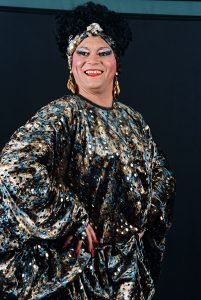
57:15 DM: Well, for me, teaching has always been, I mean, photography is no good unless you’ve got a subject, something that interests you, so I would make the students think about what their subject matter was, and then I’d say, “go and photograph it,” and sometimes they’d try and fail, and then other times they’d try and succeed, and then other times they’d try and maybe get halfway there, and I’d say, “well, have you tried this approach, or that approach?” I mean, a lot of documentary is about how you get on with people, so, you know, if you wander off into the street to photograph somebody at work, and the first person you go up to tells you to go away, um, you, you know, it doesn’t do much for your self confidence, but if you decide ahead of time that, actually, what you’re really interested in is, I dunno, the people who service gasometers ’cause you’ve seen them climbing all over these things on your way to work in the bus, um, then you research who the company are, which isn’t hard to do, usually, ’cause there’s a van parked somewhere nearby with a phone number on it, you ring it up, and you say, “oh, I’m, can I come and photograph your men crawling all over the gasometers on Anlaby Road?” or whatever it is, um, and they go, “yeah, alright,” or, “can you get a letter from your college or,” you know, the negotiation begins, so you then learn how to persuade people to do things, and then you actually learn that if you give people pictures when you’ve taken their photograph, that you earn some respect from those people, so that when, later, you want to photograph, I don’t know, um, people in their houses, and you remember that two of the guys that you met on the gasometer were living in council houses that were about to be demolished or something, and you say, you’d go and knock on their door and say, “oh yeah, remember me? I’m trying to do a story about demolishing council houses,” um, they go, “oh yeah, you’re the guy that gave us that picture, hey,” you know, and they shout through to the kitchen, “you remember that guy who took that picture that’s on the wall in the front room? He’s come, he wants to do us again, what do you reckon?” You know, and it’s, “come in for a cuppa,” and then before you … So it’s about human relations, it’s not about doing media to people, it’s about working with people, and so I would always just teach like that, because that’s how I worked, and, um, um, yeah, and so the subject matter that the students chose was entirely their own, you know, if they were going down to photograph, you know, um, drag night at the local pub, um, then that was what they chose to do, it wasn’t because I said, “oh,” you know, “go down to the local pub and photograph some drag queens,” it was never like that, it was, um, they chose their subjects, and then I would help them to decide what they wanted to do with that, you know, do you want to make a portrait? Do you want to make a story out of it? How big is the story? Is it drag queen just about the performance, is it a piece of theatre you were photographing, or is it interested in the person themselves, you know, do you want to see them when they’re not being, dressing up as dames, when they’re being blokes, and, you know, what job might they have, um, apart from that, and do you want to photograph them being a welder or a whatever it is that they do the rest of the time, and what about their families, you know, do they have wives, or boyfriends, or, I don’t know, you know, you tell me what interests you, and then let’s think how we might, I might help you construct that story, and think about the bits of it that you might want, and then what are you going to do with the pictures afterwards, you know, are you gonna stick them up in the pub, or are you gonna give them to the bloke as an album, or are you gonna try and publish them somewhere, you know, how does it, how do you make, like, okay, well you’re a student, you’ve got a grant, but in the long run, you know, these pictures are gonna be in a portfolio somewhere that you’re gonna present to a picture editor somewhere in the hope of getting some work, so, you know, how are you going to present this stuff, and who’s it aimed at, um, do you know the difference between the way the Observer might run a story and the way the Sunday Times might run a story? Do you know the difference between, um, a gallery, you know, like, if you’re aiming to get into the photographers’ gallery, well, how many pictures would you need in a show to fill that space? You know, there’s the big space, and then there’s the Tom Hopkins room, and then there’s the sort of, the beginner’s corridor, as it were, you know, which of these spaces do you want, and how are you going to fill it, or are you going to do this as an exhibition on your street, or is it going to be, are you going to persuade somebody who owns advertising holdings to give you an advertising holding so that you can do a piece of artwork, you know, where’s it gonna go? Think about where it’s gonna go, what it’s aimed for, um, because that’s all part of the thing, you know, it was just like going back to Dune Street, photographing Dune Street, we paid for it ourselves, we finished the body of work, everybody liked the pictures, we got everybody, people out of their houses, we did a group shot of everybody together, and then we sold the whole thing to the BBC as a film, um, and it became a part of the Salford archives, you know that, there were local newspapers and local, um, I don’t mean local newspapers, I mean [clears throat] local community publications since then, and often included our photographs, not from us giving them to those publication, but from those publications finding them in people’s houses, okay, “oh look at this, this is nice picture from the 1970s, where can we put this in our publication?” um, and you would only hear about it because somebody’s contacted you because they want copyright permission to use it, so the, you put in, in what way are you putting the stuff out there, because there’s no point in [clears throat] shooting pictures and just sticking them under your bed, they’ve got to have a function, reach an audience, earn you some money so that you can make the next project, um, and trying to make people think in that way from the start, so that’s all I ever did really was encourage people to think up ideas and think how that work would be used, and then help them to make it to the best that they could, um, and I was always, I always made people be serious about it, and, um, I hated it when people didn’t finish work, I was quite, you know, I’d be, I’d tick people off if they simply were lazy or didn’t finish the work. Never liked being around lazy people, um, and I’d tell them as well, you know, don’t be lazy about this, it’s such a privilege to have the opportunity, you know, to be able to do this thing, um, you can only do it well, you’ve gotta do it well, you can’t do it badly, by, uh, you can do it badly by just not being good enough, and I can help you get better, that’s alright, that’s honest, but you, don’t do it badly by being lazy or sloppy or not being bothered, um, these things require hard work and you’ve got to get them right, um, but then, you know, they’d see me taking off after class and, you know, I’d be on a plane going somewhere, and, or a train, or, and I’d be gone for a while, and then, um, yeah, I’d come back with a box of prints and contact sheets and whatever, and, um, you know, they realised that, well you know, there were many nights I’d work ’til … you know, I was coming home from, I dunno, Vienna or something, say hello to the kids, jump into the darkroom, and be up all night making prints, or most of the night, or developing film and making contact sheets, and I used to like developing film, making the contact sheets, then going to bed, and then printing the next day, um, and I’m certain I brought work into college and printed it and stuff, around the students, but yeah, I never stinted on the energy I put into teaching, but it was always a balance of them seeing what I was doing as well, and as well as me seeing what they were doing.
1:06:08 KG: Lots of the people we’ve spoken to, the photographers you’ve mentioned, talk about this absolute commitment to looking at contact sheets, that that is their abiding memory of being with you is this referral to, you know, the intense looking. Can you say anything about that?
1:06:31 DM: Yeah, well, um, it depends where you think the picture is. I think the picture is the negative, I’ve always thought the thing that went through the camera, the thing you actually saw when you pressed the button, that’s the image, um, prints, um, you know, you can spend a long time in the darkroom, you know, you can get a lot more out of that negative than you’d get if it was just being printed at Happy Snaps round the corner, but really, time spent in the darkroom doing that isn’t actually time getting on with telling stories [he chuckles], so one of the things you need to look at, one of the things you need to do when you make pictures is to, um, not to shoot the one frame, you know, you’ve got 36 pictures in a roll of film, and you know, you’re watching and looking, I’m sitting watching you here now thinking, you know, right, do I want your feet, I like the way your feet are curled in like that, you’ve got your notebook on your knee, and you’re quite nicely lit, do I want your feet in the picture as well, is this gonna be a wide-angle shot or am I gonna go in tighter? And, um, I think, “okay, well, I’ll do both,” so, you know, let’s see that, and let’s see this, and then when you start talking, you know, how does your gesture change, and what I’m … I’m looking at you, and I’m watching what you’re gonna do, you’re gonna do more than one thing, and then when you’re in repose, you’ve got your arms folded in this particular way, and your hand’s on your lips, these are all things that you notice, but you photograph each one as you notice it, and then you think, “oh, I like the way she does that funny thing with her eyes when she looks out the window,” and also I can see the reflection in your specs, and that’s kind of interesting too, so maybe, you know, I do another picture and another, okay, in your head you’re going, “okay, now, I like this bit, and I like that bit, now then, actually, this is a slightly tighter photo that I wanna do now, yes,” so you move in a bit closer, and you shoot it again, and you wait for the gesture and the expression and everything, right? So there’s a kind of story unfolds of you’re thinking about and that’s the photographer thinking about how the subject looks in the picture, and all this is going on in your head while you’re taking the picture, so you might decide, “okay, I’m going to do a portrait of Kate today, so I will shoot a roll of film on that,” you know, and, um, you know, you only have to, I mean, it wasn’t published at the time, but just look at Magnum Contact Sheets, and you can see how the world’s photographers work when they’re doing a set of portraits like that, and so, um, you know, that’s how people work at it, the better photographers get the better gestures and the nicer shape, you know, it’s not just about gesture and facial expression, it’s about sitting that person, that body, into the context that they’re photographed. You’ve got a lamp sticking out of the top of your head at the moment, which is pretty ugly, and would look pretty odd in the final photograph, so I’d have to move slightly so the lamp is no longer a feature of the picture, or move the lamp, but mostly, it’s just moving yourself, um, you need to reposition where you’re, you haven’t got odd things going on in the background, and when you look at the student’s photograph, you go, “oh, look, you’ve got a lamp sticking out of the top of their head, did you notice that at the time?” and they’d go, “shit, I didn’t notice that,” and so as you become better at it, you begin to notice things better about gestures and facial … see, you even move with your hands now, and you’ve got your nice gold rings there, and they’re a whole part, a whole different part of the picture, suddenly a picture becomes different, because of a slight movement of your hands and then the light pinging off from the window, pinging on to the, over your gold rings, so all of these things are things that you’d notice when you were taking a picture, and, um, you’ve got to, if you, when someone shows you their contact sheets, you see what they’re noticing, so you can say, “great, look at that, you’ve really worked hard on the way she’s moved her fingers around and the way the hand is against the face, that’s beautiful, but that lamp sticking out of her head isn’t great,” you know, “and you didn’t notice that from frame one ’cause it’s still there in frame 36,” so and when you are young and you’re starting out, you know, you need that help, you need somebody just looking all the time and going, “why didn’t you do a tighter shot there? And if you were gonna do a tighter shot, why did you use the wide-angle lens, because it’s made her face suddenly all a different shape, if you’d stuck with the, if you’d kept the longer lens on for that portrait, the headshot, uh, she’d’ve looked more natural,” you know, you just, it’s this conversational thing, you go on looking at someone’s contact sheets, and you just keep asking them, “did you notice that?” you know, “did you think about how that would look in black and white? ‘Cause you’ve shot this in black and white, and therefore, the tonal arrangement is slightly different,” all those white book covers on the shelf behind you suddenly become a major part of the picture, um, “did you notice that?” you know, and “have you noticed how things look when they’re photographed?” you know, those book covers don’t really hit my eye when I’m looking at it with the naked eye, but now, if I think of it as a photograph, suddenly you’ve got all this white stuff on the edge of the frame, which isn’t actually helping, um, me look at your face, which is, and your gesture, and your body language, which is what the portrait’s gonna be all about, so, you know, do you know what something’s gonna look when it’s photographed, and then if you stick a flash going on, do you know what the effect of that’s gonna be, you know, and these, and you see it in the contact sheets, you just see it all the time, and they’re, so the person who’s learning has the evidence in front of them and the thing that doesn’t really work and then so the next time they take pictures, they go, “ooh, wait a minute, I’m watching out for lamp posts sticking out of people’s heads, I’m interested in the reflections that’s coming in off their spectacles, oh, if I bounce the flash off that ceiling, what will it do?” you know? All of these things are stuff that you’re thinking when you’re making the picture, and that’s why you shoot working from contact sheets, because you can see how somebody’s working, and you can help them do it better next time.
1:13:00 KG: And I’m struck by sitting here as you talk, thinking about where that … Did that learning come from doing, or from the staff at Manchester? Can you talk about…?
1:13:16 DM: Yeah, it didn’t really come from the staff at Manchester so much, it came more from me and Martin and Brian Griffin sitting around looking at our own pictures. We used to have these little sessions every now and again in Brian’s flat where we’d teach ourselves the things that we didn’t think we’d been learning at college, ask ourselves, you know, we’d get hold of, I don’t know, a set of Tony Ray Jones pictures in, uh, Creative Camera, or something, and we’d look at them and go, “now, why do we like these pictures?” um, and then we’d set each other tasks, um, yeah, um, to go out and do stuff, and then we’d look at each other’s contact sheets, and, um, yeah, it came more from that, um, we didn’t have reference material like Magnum Contact Sheets to look at, um, the, that book is, you know, nowadays you’d just have it on the desk when you’re, if you were teaching students, but that wasn’t there, we didn’t have it, um, when I got to Newport, David was very, very hot on contact sheets, and he’d collected quite a lot of contact sheets from his various friends at Magnum, so we had, uh, quite a lot of stuff to look at, um, but when I was teaching in Hull it wasn’t, it was just me, that’s how I worked, and it’s a way of working I picked up from, uh, trial and error with Martin and, um, Brian, really, yeah. I mean, I’m not saying they didn’t teach us this stuff at Manchester Poly, obviously, they were interested in these, you know, showed us how to make contact sheets and all the rest of it, but I don’t ever remember sitting down, really carefully going through contact sheets with my tutors at, uh, Manchester Poly, it was more something we did ourselves.
1:15:15 KG: Mm-hmm (affirmative).
Um, and the people that, you know, the students of Hull, the subject matter, obviously, reflect your particular practice interests at that time, you know, they were photographing a certain type, a certain class.
1:15:43 DM: Yes, I mean, the thing is, it’s difficult to go back in time, particularly if you’re younger now, you, it’s very difficult to think how it was at a time when we all had much better access, you know, um, everybody’s, you know, wants CRB checks and all of that nowadays, and everyone thinks that anyone with a camera is a paedophile, and all of this stuff that’s kind of grown up in the, in more recent times, but at that time, you could get access to a lot of things, particularly if you were, uh, respectful, and you gave people pictures, and so that was a, it was a big thing, um, in our time, was that you treated people well who gave you access, you didn’t take the mick out of them, you didn’t, you know, go for satire, you were respectful to people who let you into their lives, and then you tried to learn something from that, and, um, obviously, you know, in big working class communities like Hull, um, you know, those were the communities that you gained access to, but I, but I mean, I was all, I mean, I’ve talked, one of the things that I’ve done in my own photographic practice is that I’ve revisited a lot of the stories that I’ve done, I’ve sort of gone back and talked to the same people again, ten, twenty, thirty, forty years later, I’ve met up with some of the same people again, and I, that’s when I hear how they responded to me, and basically, as a Southern boy, talking like I do, as far as they were concerned, I was a posh boy and that was it, was a posh boy taking pictures, so I was never gonna be one of the community, and could kid yourself that you would be was, would be foolish, um, so you always have to be yourself, and that’s, again, a hard thing to do, um, you know, I remember Steve Conlan, you know, he was very, um, you know, he was a working class lad from, I think he came from Crosby, did he? Um, so you know, Liverpudlian, uh, and as a student he lacked quite a lot of confidence, I think, but he was also, um, a bit of a punk, he had pink hair, sort of post-punk, he had, yeah, he had dyed his hair pink, and, um, I remember, you know, how do I help this guy get that to that point where he has enough confidence to make work with strangers, and Georgie had a family friend, that’s my wife, she had a family friend in Herefordshire who was teaching in a boys’ prep school, and they needed some prospectus photographs doing, and asked me if I would do them, and, I mean, with my own history of prep school, I wasn’t over-enthusiastic, but they seemed nice enough people, and, um, I suggested to them that they have Steve go and live in the school for a week and take pictures, and I suggested to Steve that he do it. I dunno, you’d have to ask him, but I think it was probably quite a eye-opening event for him, you know, coming from where he did to go and be among all these posh kids in a smart boarding school in Herefordshire, and to be living there with them, and then having to feed him and look after him, and him at the same time trying to make pictures that were some kind of documentation of what it was like to be those kids, and I set that up for him to do that, um, and we all drove down there, it was a boiling hot summer day, Georgie and me, and, uh, Harry, our baby son at the time, and we drove down, this was summer of ’82, maybe, yeah, I think it was summer of ’82, could’ve been ’83, I could look that up anyway, um, drove down from, uh, Hull in our beaten up, um, Vauxhall Viva, which had a wheel bearing going, I remember the noise, a whistle on this wheel bearing squealing all the way down, and it, we were just so hot when we got there, and the headmaster came out to greet us, and he said, I think, “probably, what you need, first of all, is a swim,” and we went to the swimming pool, which was green with frogs in it, but I mean, it was just wonderful, just to be able to spill out of the car and roll across a, you know, acres of beautifully mown lawn, and down through a field, and into this swimming pool, and, um, yeah, it was like we’d arrived in Heaven, in a sort of way, um, and then to, you know, go and have supper in the big house, and with all the boys, children there, and everything. I mean, it was a world apart for Steve, um, yeah, and we left him there for a week. I mean, I did, I went round the school with him for a day, and I photographed probably enough to do some prospectus pictures, so I had a little stuff stashed away in case he didn’t, but he did fine, and, um, yeah, and, uh, um, yeah, so, it, yeah, I, you know, you, as a teacher, you have to try and give your students the best educational experiences that you can, and so I wouldn’t necessarily say I set up lots of things for people to do, ’cause I didn’t, but sometimes something just came my way that I thought, “that would be great for Steve,” and he had his birthday while he was there, and they made him a cake and stuff, and, you know, all the boys sang him happy birthday. I mean, it’s, so, feeling that you could be part of that community, and yet you’re not part of that community is always my experience, you know, going and working with Stanley in Bancroftshed in Barnholswick, or going round to Charlie’s house and recording him like you’re recording me now, I used to record people a lot, that’s how I remember Charlie talking about, um, old Charlie who had cancer of his privates but he wouldn’t have a priest. “I want no devil black where I am.” Brilliant. If I hadn’t recorded that, I wouldn’t have remembered it, you see. I think we should stop now and have a break, do you?
1:22:56 KG: Yeah.
1:23:07 DM: You don’t have to sit in the dark.
1:23:08 KG: No, it’s okay. Um, there was something I wanted … Is it alright for us to keep talking?
1:23:17 DM: Yeah, yeah.
1:23:18 KG: Erm, there was something that I, um, wanted, wondered if you’d, um, talk a little bit more about, which is, um, there’s something about the dismantling of power in the way you speak of, um, taking photographs, of the subjects that you’re interested in, the way you were a teacher, the things that seem to be central to what you’ve done, and, or at least the challenging of power, and I guess the revealing of the ordinary man, and I definitely see that in the work of the students, not just the drag stuff, but the, all of their subject, and, um, I wonder if you could speak more about this idea of the importance of the ordinary man? Was it influenced by your childhood?
1:24:28 DM: Uh, dismantling of power is quite an interesting issue, um, I never wanted to be in charge of anything, ever, because I always felt that the people in charge were always wrong. I had an extremely strong feeling of that, and I always brought my own children up to believe it, which is probably a mistake, I don’t know, you’d have to ask them, but, um, I’ve always been very … yeah, because of my schooling, I was always … I mean, if you’ve seen children being beaten by an adult so the blood runs down the legs inside their pyjamas, and then in the morning it’s stuck to their skin and they, everybody has to have a cold shower, I mean, this, we’re talking about nine year olds and, uh, ten year olds, uh, and they’ve been hit by an adult with a stick, uh, systematically, um, and then you see their pyjamas being pulled off … you know, so everyone has to have a cold shower, so they’re standing under a cold shower, which isn’t very pleasant, anyway, um, and then peeling this, you know, the scabby, um, pyjama trousers off their legs, which have started bleeding again, and you, and once you’ve seen that, you don’t trust people who are in power anymore, you just don’t, you know, full stop, and if, and I’ve had the, and I made a rule quite early on in my, once I started teaching that I’d never apply for a promotion. I went in as a … I went into Newport as the senior lecturer, that was the job, so there was a grade of lecturer underneath it, but nobody seemed to be on that rank at that time, and then when I went to Cardiff to the, um, in ’94, I went to teach in the school of, um, uh, well, it was the department, it’s a school now, of, um, journalism, media, and culture, um, teaching in the Tom Hopkins Centre, um, uh, I went as a lecturer, which is the same money as a senior lecturer, in that, in the art school sector, but in the Russell group university sector, you’re just called a lecturer, um, but I never applied for senior lecturer, or reader, or professor, or anything, I never, ever applied for a promotion, the whole time I was there, I was there for eighteen years and I never once applied for a promotion. Every year you’d have your, you know, annual appraisal, and some, you know, some professor would say to you, “you ought to apply for, you know, a promotion,” “no, no,” I never did, never wanted to be in charge of anything or anybody, um, and I’ve always held this, um, there have been very few bosses that I really, really got on with, and the ones I have got on with, we’ve had very, very creative time. I mean, my, the boss I got on best with was Ian Hargreaves at Cardiff, he was, um, he’d been head of news at the BBC, and he’d been editor of the Independent, uh, and, um, the New Statesman, um, very respected senior journalist, and he came to Cardiff to, um, run the journalism school at a time when it was quite struggling, um, trying to come to terms with the digital age and all of that, and, um, he and I worked really well together, and I came out with this project which he then pitched on my behalf to the BBC, who, well, it was a digital storytelling project, community storytelling with, using the new tools of media production, or what was then the new tools of media production, and, um, yeah, he sold it on my part to the BBC, and I went to the BBC on 1:28:35 for five years from the university, and Ian was always there batting for me, back at the university, and he was always coming out to the BBC and encouraging them, encouraging us to deliver this project, you know? So I got on, he was one of the few that that relationship worked well, but mostly I’ve always really resented being bossed around. [he chuckles].
1:29:05 KG: But also, maybe you could talk about it through about the subjects that you’ve chosen, ’cause in…
1:29:13 DM: Yes, um, I mean, I think that, uh, I, uh, privilege, white privilege and those things, uh, are trendy topics to talk about now, but I think I’ve always had a deep, a pretty deep understanding that despite my schooling, I had a privileged upbringing in that my parents always had money, um, we had time and energy to spend on holidays and enjoying ourselves, not just working, um, nobody got particularly dirty or ill as a result of the jobs that people in my family were doing, um, and we were, um, cultured in that we went to the theatre and the cinema and we read books and we talked about these things as a matter of course, and I was aware pretty early on, I think, mainly because I read a lot of George Orwell, and I read, um, well, I did read a lot, um, uh, and I realised that, you know, it wasn’t like that for a lot of people, and you only had to look around yourself to see a lot of people had lives that were not privileged at all, and so I did know early on that I was quite privileged, so the people that interested me were the ones who weren’t, and I wanted to understand how it would be to be them, and, um, you know, um, and what I loved was that that world was full of surprises for me. So for instance, when I photographed Charlie Sutton, the world unflue-ing gang 1:31:13 crawling around, probably the dirtiest job, well, definitely the dirtiest job I’ve ever seen a human being do, crawl around in boiling hot boiler flues, who are, you know, tiny, overheated, dusty, dirty, and very unhealthy places to be. Why anybody would choose to work like that … But in conversation, Charlie turned out to be somebody who could quote Shakespeare at quite a good length, who’d read his Bible, could quote chunks of the Bible, who understood quite a lot of things about philosophy, um, and threw these things into conversation, and he threw them all in a 1:32:09 mixed up kind of way, so, one minute he’d be saying, uh, um, trying to think of his, the way these things worked together, um, uh, sorry, I’m, because I can hear Georgie moving around, I know she’s about to go somewhere, so I’m thinking about that when I should be thinking about this.
1:32:43 KG: Do you need to speak to her?
1:32:44 DM: No, it’ll be alright, she’s … be okay. Um, yeah, so this, yeah, so I remember one evening at, round at his, Stanley and I had gone round , we’d taken a bottle of whiskey, there were a few of us in their front room, there was Charlie and his wife Emily, and me and Stanley and a couple of other people, and Jack, the inside man had joined us, and, um, uh, there’d been some pretty filthy talk, um, about one thing or another, and then we’re getting up to go, and it’s raining, and it, we’re standing in the little hallway of their house, which is a terraced house in, um, Briarfield, and Charlie suddenly, we’re putting coats on, and it’s, you know, there, it’s a sort of comedy, because there’s a coat stand, and there’s about four of us all grabbing coats off this stand, and we’re walking out into the rain, and Charlie suddenly remembers, um, the scene in, um, Hamlet, where Polonius is, is it Hamlet? Where he’s hiding behind, um, so anyway it’s a chunk of Shakespeare, he’s hiding behind an heiress, and, uh, with a knife, and there’s a stabbing, and he dies, and Charlie can do the whole thing, he knows this whole piece of Shakespeare, and he comes out with it, and, um, it’s, he’s just standing there, quoting Shakespeare at us through half a bottle of whiskey in the pouring rain on the street, shouting down the street in pure Shakespeare in the middle of the night, and I just loved that, you know, I just I thought, “that’s brilliant,” I just, I love that he knows his Shakespeare better than a lot of people I did A-Level English with, um, and then there’s, you know, like Stan Iverson, who was the, um, chair of the Independent Labour Party, the last one, the Independent Labour Party ceased to be a political party in 1975, and I interviewed him in 1976, um, about his time, um, as a conscientious objector, and, um, his life going to Socialist Sunday school throughout the 1920s and ’30s, and, um, and, uh, he’s, um, you know, here’s a man who’s not the most articulate in speaking his English, but he’s incredibly well educated about what the meaning of Socialism is, and he talks about how you don’t need almighties, and you don’t need, uh, Bibles, and you don’t need gods in order to understand how to behave decently towards your neighbour. You don’t need threat, you don’t need to be promised that you’re going to Hell if you don’t do something, it’s far better that you do something, because you understand that it’s better for all of us that you behave well, and I think to myself, “God, I wish I had had people teaching me that at school,” instead of getting sticks out and beating children until they bled, you know, um, and so I developed an incredible respect for the people that I was photographing, you know, and Stanley Graham, who was the engineer at Bancroft Mill, um, very well educated man, a man who wrote about history, I mean he, years later, long after the mills had all closed and whatever else, he had gone off and done a, with his redundancy money, he went off to Lancaster University and did a degree in history, but years later, he became the sort of the local historian on the local newspaper, he wrote column after column every week in the weekly, the Barnholswick and Hereby Times, right up until COVID, when the newspaper, I don’t know whether it shut down or whether it just, um, stopped, it was the Nelson Leader series, and the Nelson Leader, the Colme Times, and the Barnholswick and Hereby Times, and I think they just, it ended up just being the Nelson Leader, so they got rid of the Barnholswick and Hereby Times, but he wrote a history column, local history column about, you know, he was always researching about this employer or that factory or this job or the people who made this kind of clog, or the, you know, and he built a massive great, there’s a huge website he’s constructed which has all this stuff on it, which is called One Guy From Barlick, but it’s brilliant, it’s got so much stuff on there, which is really, really good, um, and, uh, yeah, so, um, yeah, so I always had an enormous respect for people who, um, I liked these kind of autodidacts, and people who took responsibility for their own morality and, but didn’t shove it down your throat, and you know, on the one hand, Charlie could be quoting Shakespeare or the Bible, but on the other time he’s going, “I’ve got grey eyes, I’d knife any bugger,” [they chuckle] and I feel that we’re all full of these dichotomies, aren’t we? We’re all more than one, you know, we’re all a mixture of things, and I just love that, I just love the revelation that the man I’m crawling around the boiler flues with can quote Shakespeare so articulately, um, I just love that, and, um, yeah, anybody seeing it would think, “oh, he’s just some rough failure, the only job he can get is this,” and then you listen to him, and he’ll sit down and talk to someone like Newton Pickles, who was, um, uh, a mill engineer, who understood steam engines better than anybody else, steam, I’m talking about stationary steam engines, steam power units in factories, um, I, he, you listen to them talking to each other about machinery and about, like Charlie talking about, um, how they can tell the health of a boiler … This, he, um, when you burn coal in an industrial boiler, the cleaner the burn, the more efficient the boiler is burning. If you let too much air in or there’s air seeping in in the wrong place in the flue passages underneath or around the side of the boiler, it burns inefficiently. You’ve gotta be able to control the air from the front where the fire’s burning, and you can tell straightaway, you crawl into a boiler, and you crawl the soul flue, which is the one that goes underneath the boiler, and if there’s any black soot on the walls, I mean, the force of the draught is so much that it moves sideways very fast, and you’re, although the fires are out, you’re still in that draught when the boiler’s, um, you know, been let out, you know, it’s still hot, so that heat is escaping out the chimney. If everything’s going horizontal, if there are black lines horizontal like someone’s drawn them on with charcoal, then it means your boiler’s leaking air, there’s oxygen getting in, and it shouldn’t be, and so they go looking for it, you know, so these are people who are doing this horrible job, and yet they’re at the same time examining the health of your boiler for you, and their work is gonna be checked by an inspector from the insurance company who’s gonna hit, go round, and he’s gonna look at, went inside the water bearing part of the boiler, he’s gonna go round and hit every single rivet head and see if it rattles, so if Charlie or his inside man haven’t done that job first, been round and checked them all, then, um, this thing’s gonna fail, its, um, insurance company test, and on Monday morning, they won’t be able to fire up the boiler, and the mill won’t make any, you know, the weavers would be sent home, and there won’t be any cloth woven, so they’re really, really responsible jobs, so you think, “oh, this is a really horrible job this person’s been given and it’s right at the bottom of the pile and all the rest of it,” actually, it’s an incredibly important job. When these people all talk to each other and they all get on, and although a lot of this might be all wrapped up in, you know, male bonding jargon, lots of, you know, mildly racist and often sexist banter and stuff which, we would nowadays find unacceptable, and probably a lot of people would’ve been upset by even then, the fact is you strip that away, and what’s going on is there’s an incredibly intelligent dialogue between people about how to keep the mill working, because if the mill isn’t working, everybody suffers; and so my take as a documentarist is that you’re keeping all the time trying to look for the heart of what is going on when you’re making your work, and you’re looking at other people’s work and you’re seeing how that work and how the people work together and how that benefits the community as a whole, and in these small places where manufacturing was the, everybody’s livelihood was dependent on the health of what was going on in, um, the mills, then everybody needed to work together, and when they did work together, things worked really well, and Bancroft was a happy shed, it was a really happy weaving shed, and many people who worked there say so.
1:43:35 KG: Yeah, I think that maybe, oh I shouldn’t ask because … I wonder if you could talk then some more about … In an email, previously, I’ve talked to you about, um, the absurd and the surreal and the human, ages ago, we were talking about a photograph by Ross, and, um, to me these things seem absolutely central to the work that you make, and maybe the work that you’ve encouraged students to make, somehow, by default. Do those words, human, definitely, but absurd and surreal, how do they sit?
1:44:17 DM: Yeah, well, [he chuckles] I mean, life is, uh, continues to be, um, absurd and surreal, doesn’t it? But um … Yeah, I mean, for instance, climbing factory chimneys, is, um, frightening, and, um, plainly dangerous, and particularly in those days, when you didn’t have any kind of safety harness or anything like that at all, and even if you had, I dunno how it would’ve worked, because the ladders were basically just tied onto the side of the chimney, um, if one of those goes down and you’re on it, that’s it, you’ve had it, no matter what safety harness you’re wearing, but, um, uh, there were always wonderfully surreal moments, like nobody told me before I got to the top of the chimney not to look at the horizon, because if you’re sitting on the top of the chimney and you look at the horizon it’s going, it’s bending, it’s tilting one way and then the other, and what that means is that the chimney’s moving, and that’s quite a frightening thought, but they do move, in the, you know, a tall structure like that moves, and the only way you see it moving is if you look at the horizon, but it, obviously, if you’re sitting on the chimney, you think you’re still, and it looks like it’s moving, and then they have these very strict rules, um, their own health and safety rules, which are that if anybody’s on the ladder, the work has to stop, because you’re just, you’re demolishing a chimney by removing the brickwork going down and down and down, knocking the bricks mainly down the middle of the chimney, you cut a hole in the bottom and put a big sheet of steel at the bottom, and when you drop the bricks down the chimney, they get shot out into a skip through a hole in the side of the chimney, um, but occasionally, one might fall off the side, and you don’t want that to happen when someone’s on the ladder, ’cause you’d knock them off or knock them out, and then they’d fall, so they had all these rules about, um, not, stopping work when someone’s on the ladder, so I said to Peter, “I want to photograph you, Peter, from this side, but I need to get back a bit, um, and I can’t go back any further, ’cause I’m on the edge of the chimney, and I haven’t got a lens that’s any wider, and anyway I don’t want to distort the picture with a wide angle lens, I don’t wanna use a fisheye or something,” um, so I said, “I want to go and stand on the ladder, which would give me another couple of feet out sticking out the side of the chimney at the top,” and Peter said, “that’s okay,” um, and he just went into repose, when you kind of lay on the side on the top of the chimney, which is the picture that I took of him, so he’s not really posing for me like, “ooh, aren’t I cool, lying on a sofa,” as it were, on the top of a chimney that I’m falling to pieces, it’s just, he’s stopping work, but the, so that’s kind of odd and absurd, but then the thing that’s really surreal is that he said to Higgie, who was his assistant, “hold the top of the ladder for Daniel,” because, obviously, I’m gonna need two hands to take the picture, so I’ve got nothing to hold onto and I’m on the top of the ladder, so Higgie holds onto me so that I don’t fall backwards, but the thing that’s really surreal is that the arm in which Higgie, with which Higgie is holding onto me is bound up in plaster, he’s got a broken arm. [they laugh] So, you couldn’t make it up, could you, really? Um, so I don’t, you know, and we’re 150 feet up in the sky [he chuckles] ah, it’s a … Yeah, so these are things, you know, it’s only afterwards that they fall into shape as being weird, but then you also have a whole internal life, I mean, we all carry our internal life around with us, and, um, you know, I’d been to schools that had gone on about God endlessly, and, you know, I was really confused about religion for, you know, all of your teenage years, you’re developing time, in other words, really, where all your intellect is supposedly being developed, if you’re getting kind of fundamentalist Christianity banged at you, or muscular Christianity, and, you know, with lots of hymn singing and not fire and brimstone, but pretty threatening stuff coming from the pulpit, you know, it’s like, ’cause the adults had decided they weren’t going to, uh, keep discipline, they’d put that into the hands of boys, they obviously felt guilty on Sundays and felt they had to lecture us about how we should behave, so from the pulpit you got a lot of, you know, “if you do this, you’re going to go to Hell,” and, “mutual masturbation is absolutely out, especially in railway carriages,” [they laugh] oh, when you’ve had this stuff banged into you for so long, you’re quite, you end up being quite confused about God and religion and stuff, and, um, so it’s quite refreshing when you come up against someone like, or come into the company of someone like Stan Iverson, um, who, uh, talked about we don’t need almighties and Hell and, you know, to learn how to behave properly, and I think, “God, I wish I’d had that in, I wish I’d been going to Socialist Sunday school when I was a teenager, and we’d just learned about how to be good towards each other, how to be respectful of each other, that would’ve been a so much better way of learning,” you know? Um, yeah, so it’s … I always found that, um, the people I got drawn to are the ones who I was learning something from, and I, you know, I learned a lot from Stanley, I learned a lot from Stan Iverson, I learnt from Charlie, I learnt from, uh, all of the Welfare State people, you know, they were more middle class, educated, art school educated people, but they’d had, you know, they were the kind of, um, uh, they had people who had studied theatre very carefully, they were informed in, you know, Brecht and all of that, and, um, they’d thought through what they were doing extraordinarily carefully, and the way they put street theatre on was, I’ve never seen anything like it, um, ’76 they, um, did this thing called Parliament in Flames, where, on the recreation ground in the middle of Burnley, where the football ground was at that time, might still be, no, I think they’ve moved it now, um, they constructed the Houses of Parliament out of rubbish, but, um, we’re not talking about a small thing, we’re talking about something that was, you know, the size of a factory, it was huge, and they went round, so first of all, collecting rubbish is like saying, “there is all this stuff being wasted,” cloth and building materials and whatever, “we’d get all this for nothing, it’s come, you know, we found this by going round factories with a big lorry and just collecting their rubbish, and we’ve been able to build the Houses of Parliament out of it,” which is quite a statement in itself, then there’s the, um, “we’re gonna build a guy,” and they built a guy that was thirty foot high and many pieces, and, uh, they got someone to sponsor the event who was a local crane company, and they had to lift this thing, thirty foot high guy on the top of an enormous crane, um, pulled on the end of a cable on top of an enormous, from an enormous crane, and obviously, everybody in the town saw this thing going up over a couple of weeks, um, they then corralled all the local kids who were, you know, sitting at the end of, outside the local sweet shops on the corner of the street doing penny for a guy with um, you know, with their hat out, or whatever it was, or tin, you know, give me a few bobs, they could go off and buy some bangers or fireworks or something, with a pretty pathetic looking guy, you know, just a, I don’t know, pillowcase with a face painted on it or something, they corralled them all, got them all in, and gave them some art school lessons on making guys, so we then had this whole wonderful array of lots of different guys all created by kids, you know, who were let free with their imagination and the, and some encouragement, and then these, they built a platform on the front of the Houses of Parliament, and the kids were all invited to wheel their, these old pushchairs and whatever up onto the front with their guys and to unload them and to line them all up on the front of the Houses of Parliament, um, and then as it got dark, they burned it down, the whole thing, and it was, uh, 10,000 people turned up to watch this thing, um, so, you know, and, um, they served food. I mean, I don’t think they fed the 10,000, but they were always, they always served food, it was kind of hospitable, you know, we’re offering things for people to eat, it was spectacular, because no one had ever seen anything like it, I’d certainly never seen anything like it, it was inclusive, in that they had a sort of education part of it, where they were helping kids to imagine a better guy, um, and it was entertainment, and it was also anarchic, you know, burning down the Houses of Parliament, you know, Guy Fawkes is usually celebrating people who didn’t manage to burn down the Houses of Parliament, but they burned them down, and they did it beautifully, um, seeing that kind of thing and learning that there was a deep intellectual, um, spirit behind it, um, and then finding that they used, you know, a lot of my pictures in the book that they wrote, Engineers of the Imagination, which became kind of the handbook for all community arts, you know, if you’ve got a lantern parade in your town, it’s because Welfare State were doing that work, showing people how to do it in 1975, it wasn’t, it hasn’t just happened as a, um, out of nowhere, it’s happened because John Fox and, um, Boris Haworth and the rest of them did that work then, and they documented it. Beautiful, absolutely beautiful stuff. Um, so yeah, I mean, I … Would I want to photograph toffs, um, not … I mean, I knew … Uh … The toffs in my life were a horrible lot, um, and, uh, I didn’t want to have anything to do with them, really, so, um, no, is the answer. I probably would’ve found things that I could’ve learnt from them, but, um, it wasn’t gonna happen, I’d, you know, I’d had ten years in private education boarding schools, um, I’d learnt that I’d given them their chance to teach me whatever they were gonna teach me, and, um, I wanted to go off and learn what I wanted to learn, and yeah, I was angry, and, um, yeah, there was rage there, still is, um, but it led me to do many of the things I did and encourage many of the students to do the things they did, um, and always, you know, I was always one of a number of teachers, it wasn’t like I was setting myself up as some kind of a paragon of new forms of education, um, but I did have my own intellectual, um, understanding, which mostly came from, uh, reading Illich, Ivan Illich, Tools for Conviviality, which was, I think, published in the mid-’70s, um, he was a, he had been a Catholic priest working in Latin America, um, and he began trying to rethink the way in which we live our lives, and he came up with this notion of what it would be to live in a convivial world, and it was kind of pointing the way to many of the things that we now, you know, environmentalists and so on think of today, but applying it, um, to all aspects of the way we live – the economy, internationalism, um, uh, education, religion, and he divided all these subjects up into separate areas of study that he was going to publish, you know, to a larger degree in separate volumes, but Tools for Conviviality is where he kind of laid out the, it’s quite a thin book, um, where he kind of laid out his simple ideas that he would then expand, and it, I dunno, that, and Zen and the Art of Motorcycle Maintenance were two books that were, you know, I read and took seriously and was interested in, um, if only because it made me, they both challenged me to think your own, how your values are; and I’d also had, when I was a student, um, I had a girlfriend called Cherine, who was, um, mixed heritage, her father was, um, from what is now Pakistan, but when his family left it, it was still India, and they’d been indentured workers in Fiji on the sugar plantations, and he was the first one several generations on to get to university, which he did in New Zealand, where he met and fell in love with a white woman, and then somehow the mixed race thing didn’t really, uh, wash, and they came to the U.K., and she was a schoolteacher, and he ran a corner shop and also worked at the Pakistan High Commission, and Cherine had been to, you know, a girls’ grammar school, um, but well educated, been a Labour Party supporter all her life, so at age eighteen, I was going out with an absolutely gorgeous, beautiful woman, um, happily, we’re all still in touch, I mean, uh, she wrote to me only last week, so, um, for my birthday, so, you know, we all still see each other’s families, um, but you know, she taught me about socialism, and, um, you know, I didn’t know anybody who was a member of the Labour Party, it’s, I’d only thought there were Conservatives, because that’s all I’d ever met, and she’s, you know, she’d been out handing Labour Party leaflets, since she was old enough to walk around, I would imagine, with her dad, walking the streets of Croydon, and, um, so I learned a lot from her, too, um, a lot, and she, yeah, she taught me a lot of things, and I was … At the beginning. She used to come down the shop when I, on the Saturday when I was doing my stuff in Moss Side, so yeah, we get lucky as to who we, um, get to live with and who we share our lives with, and, um, yeah, so there is a lot of luck, but, um, yeah, I never trusted authority.
2:01:53 KG: No, and then I wonder if you’d, um, speak some more or could talk some more about … I think what’s, and maybe we can only see this in retrospect or think about it in retrospect, or I see it in the work of your students work, I see it in yours, which is that the, there’s an interest in documenting a world that’s just about to disappear. You know, the, or they’re very particular things of a very particular time, and maybe they don’t feel like that at that, in that moment, but-
2:02:38 DM: No, I think I’ve always-
2:02:40 KG: Were you aware?
2:02:40 DM: Yeah, I’ve always kept an eye, well, certainly during, um, yeah, certainly, and on the, in the bus, you know, I used to choose, when I was living in my bus and going round the country photographing, I was always looking for things that might not be there in three or four years’ time. I did a whole section of that book is about road protestors, you know, talking about their anger at the coming of the dual carriageway, um, that was gonna affect their homes and so on, um, still seems pretty relevant to this day, I would say, um, uh, but they talk about it in a way that seems remarkably naïve in the modern world, um, and yeah, I mean, I’ve photographed hurdle makers and things that like, you know, um, trades that seemed that were likely to be on the way out, um, yeah, I think that’s part of the job of what documentary is about is trying to record things before they disappear, um, uh, and I certainly did that, and you don’t always know, um, the speed with which things might, um, disappear. I mean, it’s kind of interesting to me that in Barnholswick, I photographed Bancroft because it was the last steam powered weaving shed in Pendle, um, uh, and I knew from the day I arrived that it was going out of business, I mean, they knew it, but they hadn’t really admitted it, but you know, you didn’t have to talk to too many people in the industry to realise that this place’s days were numbered, if only because of the new regulations around smoke, um, I mean, you just can’t burn that amount of coal to run a factory anymore, um, so I knew it was going, and it did go, but they didn’t demolish the engine house and the chimney, it became a museum, and that’s, I hadn’t reckoned that that would happen, and it, so I thought I would one day go along and photograph the chimney being felled, but actually it never was, it’s still there, the, uh, weaving shed all went, and the warehouse, and the offices, and that all became a housing estate, and there’s, I don’t know how many houses there, ten or fifteen houses built on the side, but the um, uh, yeah, the engine house is still there, and it’s run by enthusiasts who get together at weekends and steam it all through the summer so that visitors can come to Barnholswick and see a bit of old history, um, so you’d never quite know how things are gonna shake out, the, but you know, pictures of Cyril killing his pigs, I mean, I think, I dunno, um, I can’t imagine that that way of killing a pig lasted much beyond the 1970s, um, it was the way that people have killed pigs since the beginning of time, I would imagine, you know, you basically, four strong men hold it down and someone slits its throat, I mean, that’s how pigs were killed, but nowadays they’re done in a completely different and I’m sure much more sanitised way, um, and probably out of sight, um, but that, all my childhood there were, um, you know, there were two farms in the village that I lived in, was raised in, and there were days when they were killing pigs and you could hear them, you’d hear the squealing of the pigs, and my mother would just, “oh, they’re killing pigs today,” as if it was like, you know, oh it’s the rag-and-bone man or the fish and chip truck coming, “oh, they’re killing pigs,” it was just part of the everyday life of the place, um, but I knew that that, as a child I’d never been allowed to go watch, and as a, but as a grown up I, my curiosity, um, yeah, meant that I really did want to go and see somebody killing a pig in that old fashioned way, and I wanted to record it, and I wanted to keep it, particularly once I’d met Cyril, because, um, he talked about his pigs like they were his best friends, you know, he loved those pigs, um, and he killed them in a loving way, you can’t deny that, you know, he was very attached to them, and, um, yeah. I mean, in the weird, surreal, ritual … he didn’t like them cutting the head off, really, but the barn they stored, when the, once you had the carcass, so you had the two split flitches, the two split sides of the pig, and hang it up, and there wasn’t room to leave the head on, and he, I remember him, he didn’t really like the head being cut off, um, at that point, and, um, you know, but one of the guys who were helping, you know, held the head up like a trophy, you know, like some war trophy, you know, dripping blood, he’s holding the head up, um, I don’t think Cyril would’ve done that or even liked that particularly, um, yeah, he was very, uh, yeah, and it’s sort of, the, you know, I suppose I was going for all those other things like, um, if you can’t live with somebody killing a pig then you shouldn’t eat bacon, you know, and, uh, um, every time I eat bacon I think of Cyril and his pigs, and I’m actually quite happy about eating bacon, even though, you know, I know that I could be, choose to be a vegetarian, I just, I have confronted that moment of death with the pig, and I kind of feel, well, alright, uh, yeah.
2:09:07 KG: I mean, I’m sure it’s been spoken of before, but you just said the phrase ‘out of sight,’ of things being out of sight, of things, um, you weren’t allowed to see but you had a curiosity to see, and I guess it’s the job of a documentarian, but also it strikes me that your entire career has been about bringing things to sight, to the audience’s sight, and I guess that’s what you encouraged in students as well, to bring things out-
2:09:52 DM: Yeah, but also celebrating the ordinary, you know, like, ‘what is ordinary?’ is quite an interesting question to ask, because it’s not, or it wouldn’t be ordinary for my mother to go into a pub and watch men dressing up as women and, um, uh, for want of a better word, you know, bantering, um, vile dialogue, um-
2:10:25 KG: But it’s ordinary for a certain-
2:10:28 DM: -but it would be ordinary to the people who go to that pub every whatever it is, you know, Thursday night or whatever is the night they do it, um, and also those people, in other words, would probably be living perfectly ordinary lives as shop assistants or, you know, accountants, whatever, the jobs people do, um, the idea that we’re all kind of restrained by our jobs, you know, you’ve got to do a job in order to earn some money, you, um, and you’ve got to behave yourself and do what the boss says and everything, but once you’re on your own, and you can get in the pub, or you can go down the club, or you can do whatever it is that makes you, that gives you some release from all that pressure, you know, that’s kind of interesting too, isn’t it, because that’s very much us as human beings, and, um, that is ordinary, um, there is no such thing as ordinary, we’re all extraordinary, and it’s that individual thing that I like about people, I really don’t like it, um, when documentarists or artists want to turn people into types or see people as only being types, you know, it’s like, I’m six feet six, well, I must be more, because I’m old and I’m shrinking, but I have been, you know, six foot five and three quarters in height, and I just loathe it when people comment on me being tall and see me only as being, you know, it’s like all they can see is that I’m a tall person, and I just, I’m, quite unreasonably, really, you know, I just feel resentful that that’s the one thing they’ve picked up on, and I think to myself, “no, I’m actually quite an interesting person, I’m not just a tall person,” [he chuckles] and I, so I never try to look at people, you know, I could never go and, you know, like Martin Parr would follow bald men around, you know, with his camera and his flash gun, you know, to get the funniest picture of a combover or a hat that was inappropriate or something, just because he could see that it was funny and that it did say something about us as human beings, you know, our pride and not wanting to be bald, and brushing our hair in a certain way and, but I could never do that, I could never do that, um, that typecasting, I never, I always hated it, because I always hated being typecast myself, so I can’t, I couldn’t, I can’t see people as being types, I can only see people as being individuals, and, um, so once you’ve given yourself, well, in my case, once I’ve given myself a set of circumstances to study, then I’ll just try and find a way of doing it through the individuals who are there, so, you know, you find yourself with, trying to do something on the textile industry, it was probably four or five months before I found Bancroft and thought, “oh, yeah, this is a place where I, all the things I’ve learned in researching the textile industry, I can probably do most of them here, and also I’ve got somebody here in the shape of Stanley, who actually is quite welcoming,” you know? Even though he calls me a long streak of piss or whatever it is from time to time-
2:13:49 KG: A tall person.
2:13:50 DM: A tall person, yeah, um, you know, that we can still get on, you know, that and we, and also I, you know, he, I was, had the privilege of sharing his family, you know, he invited me often to his house, and I got to know his wife and children very well, you know, and in fact, Susan, his daughter, um, his middle daughter, she was only here last summer, she and her husband came in their campervan and parked in our drive for a week, um, so, you know, I’m still in touch with all these people, I don’t feel that they’re objects of study, I feel I just, uh, it’s been a privilege to get to know people, and it’s lovely when they want to go on being friendly, you know, and see them. Stella, on the front of the Living Like This, Stella and her sister Lynn, who were on the cover of my bus book, free photographic omnibus book from 1975, um, Georgie and I went and stayed, they’ve got a little, um, guest room in their garden, rather a nice one in, um, down in Hampshire, and they said, “oh, come and stay with us, you know, you’d be near the seaside, come and stay at our place,” and we had a real laugh, and, um, Lynn came over for the evening, and we had, you know, like the fifty odd years ago, fifty, more than fifty years since I photographed them and we’re still in touch, you know, um so I don’t see people as being, um, kind of expendable types that exist just for my camera, um, I’m always looking for, um, to believe that human beings are better than the ones I was brought up with, and on the whole, I’ve discovered they are.
2:15:39 KG: Also, there’s a question I have, perhaps you could talk about. There is a fascination with the North?
2:15:49 DM: Yeah, there was, yes, I mean, it was another country, wasn’t it? It was just different from everything that I’d ever, that I ever knew, you know, I grew up in the South, and, um, also I’d grown up in this strange privileged world of boys’ boarding schools, if you can call it a privilege, and, um, living in the countryside on a country estate, you know, and the North of England was, um-
2:16:14 KG: But you could’ve gone to Cornwall, or, you know, there was-
2:16:18 DM: Yeah, I could’ve, but I mean, the-
2:16:21 KG: I guess it was Manchester-
2:16:22 DM: -I suppose there were things that, uh, I mean, first of all, Manchester was the only place that would have me-
2:16:27 KG: Yeah, yeah.
2:16:27 DM: -so, I mean, I was just lucky-
2:16:29 KG: Circumstance.
2:16:29 DM: -I don’t, I’d been rejected by everywhere else, so, um, Manchester was the only college that would have me, so, but landing there was just paradise as far as I was concerned, it was fantastic to be in a totally different place, and also I didn’t, I mean, I know that there’s a cliché about, you know, Northerners being welcoming, I think it’s more that Northerners are direct, um, they just have, you know, I hate having, I, like, hate saying, you know, half the population behaving in one way and the other half behaving another way, but there was something about, um, I just, like, enjoy … Hello.
2:17:09 Georgie: Are you recording?
2:17:10 DM: We have-
2:17:10 KG: Yeah, but it’s okay.
2:17:12 Georgie: Um, I’m just thinking, we need to leave about quarter past five-ish-
2:17:17 DM: Okay, yeah.
2:17:17 KG: Yeah, yeah, we’re-
2:17:18 Georgie: -or something, so we can go slowly, and-
2:17:20 DM: Yeah, right, so we’ll do another fifteen minutes and-
2:17:21 Georgie: -’cause normally it’s-
2:17:21 DM: -then we can break.
2:17:23 KG: Yeah, we’re done, we’re near.
2:17:22 Georgie: Yeah, and then, yeah.
2:17:23 DM: Yeah, okay. Um, sorry, I lost my train of thought.
2:17:28 KG: No.
2:17:28 DM: Oh, yeah, about the North. Yeah, um, uh, yeah, there is a, particularly, anyway, in Manchester at that time, people tended to be just a bit more direct than I was used to, you know, they, on the whole, people, if you could ask a direct question, they’d give you a direct answer, whereas in my class, anyway, you know, the sort of upper middle class Brits, are terribly sort of, they’re sort of equivocal in the way they speak, everything is kind of hinted at, and it’s never really direct, and I hate, you know, and I kind of hated that, um, and I’ve grown up, because you never knew really where you were with anybody, you know, um, yeah, you didn’t know how somebody had reacted to what you’d said because everybody was, “well, you know, sort of, you know,” and they, everyone had their kind of, um, what’s the word, uh, mannerisms about the way they spoke, so there were, you know, there were words you didn’t use because it put you out of being in the right class, you know, like, you’d never use the word, um, well you wouldn’t have net curtains for one thing, [they chuckle] so I didn’t even have net curtains, um, better to have no curtains at all than to have net curtains, and you’d never use the word toilet or, um, uh, perfume, you’d have to use the word scent, or you’d have to use the word lavatory or WC, and you’d be pulled up all the, well I was as a child, if you got the word, the right words wrong, so you were always a bit frightened of using the right words in adult company, and so you’ll hear on my earlier tape recordings, I’m so kind of, I don’t know how to ask the question, and then, but somehow, in the North of England, I don’t know why it is, but there’s something about … maybe it’s just because people work in manufacturing and life’s a bit more binary, you know, either the machine is on or it’s not on, and if it’s not on, you’re buggered, and if it is on, you could be buggered, you know, it’s sort of like, you think, it’s kind of, yeah, I don’t know, but I found in the North of England I enjoyed the company of people much more because they were more direct, and I learnt to be clearer in the way that I spoke and the way I ask questions and stuff, and sometimes it was just a joy to hear someone say no to you, simply because they’d, that was a proper answer, you know, like it was, like you’d say, I don’t know, I’d say something then to my mother who’d say, “well, that’s bitten on you, darling,” you know, you, well, what does that mean? It just means that I don’t fit the right class behaviour at the moment, but actually, all I want is to go for a walk in the garden, or I, you know, whatever it is, you know, it, something, you know, we’d be like, why can’t I just have a direct, can we go in the garden please? Um, I dunno, like, it would, it … People were completely equivocal in the way they spoke, all through my childhood, you know, like this, you’ve just, “well what do you think of that?” “well, it’s not quite done, is it, you know? I mean, you wouldn’t be wanting to let the side down, would you?” and all these things were too kind of vague, they’re not, they don’t tell you how to keep the side up, and they don’t tell you what the side is, or whether, or which one you’re on [he laughs]. It … Whereas up North, you say, “can we go down the fish and chip shop?” “no!” I’ll go, “great, I know where I am, now, we’re not going down the fish and chip shop,” or, “yes,” well I, “bloody get on with it,” you know? I mean, it’s sort of, I don’t know, I just find that much more directness, whether that’s the North or whether it’s just people I met in the North, I don’t know, but it was always much more direct, and I liked that, even when they were telling you things you didn’t want to know, didn’t want to hear, or-
2:21:48 KG: That’s definitely Hull.
2:21:49 DM: Yeah, so, um, yeah, but also, I suppose, there was a magic in the sense that, um, I’d, I was, in my head I still play all those Bill Brandt photographs from the Hayward retrospective of 1970 that I saw in July, 1970, and I love those pictures, and I know where, um, some of them are in the Centre for British Photography now, James Hyman’s got them, and I’ve been to see a few of them at his place, you know, I mean, I just, I don’t mean the images, they’re my, all of them are ones I’m familiar with from looking at the books, but the actual prints, and the shape of them, and the frames that they were in all comes back, and you know, I had his pictures of the North of England, I just loved them, you know, a snickett in Halifax, and the miner, you know, in Durham, and, uh-
2:22:44 KG: They’re exotic places, they were exotic.
2:22:47 DM: It was just so different from anything that I knew, and for me, photography, and the North of England, because I’d, the photography I liked, I’d only seen, before I applied to college to do photography, the only photography I’d seen that I really liked was
Bill Brandt, and he’d photographed in the North of England-
2:23:07 KG: That one.
2:23:07 DM: -you know, somehow the two were tied up, you know, I was very naïve when I was eighteen, you know, I mean, we, I hadn’t done anything that most teenagers had done by the time they were eighteen, I was a child, completely a child, and, um, yeah, so the North of England was a magical place, and then you had all the Liverpool poets, you know, I’d read them at some point, and, you know, that was the North of England. What’s the one, um, is it called An Ode To The East Lancashire Road? The East Lancs Road. Ode To The East Lancs Road, I longed for your soft verges, but you gave me the hard shoulder, Adrian Henry. [Kate snickers] I mean, I probably learnt that when I was fifteen or something, um, but all this stuff I liked, you know, I liked that Northern sense of humour. I, well as soon as, when John Cooper Clark came, um, came on the scene, I was working at Granada, and I met him a few times, and, but I just put his poems to memory, I just, they still play in my head now, I can do a, I can bore you to death with imitating John Cooper Clark, um, I just like that sense of humour, and I think it is Northern.
2:24:24 KG: Mm-hmm (affirmative).
2:24:25 DM: It is Northern, you know, and I, um, but, you know, how do you define what Northern is? You wouldn’t get John Cooper Clark coming out of Serburton, he just wouldn’t, you know, he certainly wouldn’t have come out of Dunbolton Hall, you know, there’s no way, and I just loved, that was the culture that I liked, and, um, yeah.